People are asking which royals can and can’t be arrested after Andrew Mountbatten Windsor was arrested on Thursday (February 19).
The arrest of former Prince Andrew, which coincided with his 66th birthday, stunned people across the world.
The move marked the first time in modern history that a senior member of the British royal family has been taken into police custody.
According to reports, the Duke of York was taken into custody at Aylsham Police Station after officers arrived at his residence in Sandringham House earlier that morning.
At this stage, it is crucial to stress that an arrest does not imply guilt, and no charges have been announced.
Royal treatment in custody?
Andrew’s arrest has reignited a long-standing question: can members of the royal family actually be arrested?
In short, yes – but with important distinctions.
Despite his status, Andrew is not believed to have received preferential treatment while in custody at Aylsham.
Though official details have not been disclosed, standard police procedure would have applied.
Upon arrival, a custody sergeant would have confirmed his identity and ensured he was physically and mentally fit to be formally processed.
He would have been informed of his rights, including access to meals, toilet facilities, legal representation, and the right to inform someone of his whereabouts.
His cell conditions would have mirrored those of any other detainee: a basic room containing a bed and toilet facilities.
Given that Andrew reportedly returned to Sandringham at around 8:00 p.m. GMT, it is likely he was provided with two meals during his time in custody.
King Charles breaks his silence
Following the news, King Charles addressed the situation publicly.
In a statement, he said: “I have learned with the deepest concern the news about Andrew Mountbatten-Windsor and suspicion of misconduct in public office.
“What now follows is the full, fair and proper process by which this issue is investigated in the appropriate manner and by the appropriate authorities.
“In this, as I have said before, they have our full and wholehearted support and co-operation.”
The monarch continued: “Let me state clearly: the law must take its course.
“As this process continues, it would not be right for me to comment further on this matter.
“Meanwhile, my family and I will continue in our duty and service to you all.”
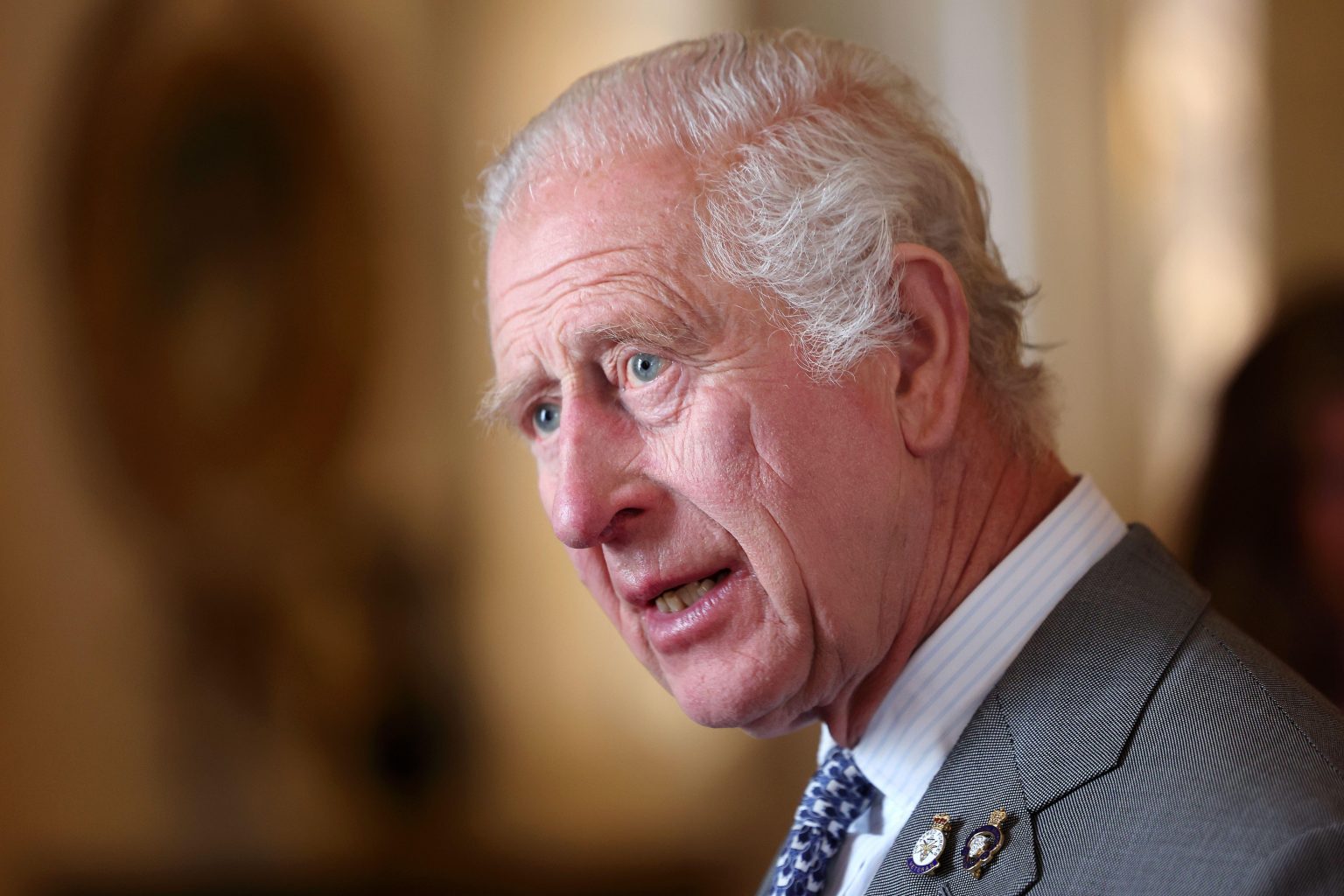
It seems the royals are very much taking the ‘business as usual’ approach to the unprecedented situation, as the King was spotted at London Fashion Week just hours after his younger brother was taken into custody.
The incident has brought renewed attention to the constitutional limits of royal privilege.
Is the monarch protected from prosecution?
The reigning monarch is protected by sovereign immunity, meaning they cannot be personally subjected to criminal prosecution or civil lawsuits, including arrest.
In addition, the monarch’s privately owned estates – such as Balmoral Castle and Sandringham House – also enjoy certain legal immunities, preventing police from entering the premises without consent.
Who can be arrested?
Close family members – including Prince William, Kate Middleton, Sophie, Duchess of Edinburgh, Prince Harry, and Meghan Markle – do not have sovereign immunity.
This means they must follow the law like everyone else.
For example, Princess Anne was prosecuted and fined £500 after her dog attacked two children. She was also fined £400 for speeding.
In short, any royal other than the monarch can be arrested and prosecuted if they commit a crime, as long as they are not with the monarch or on palace grounds.