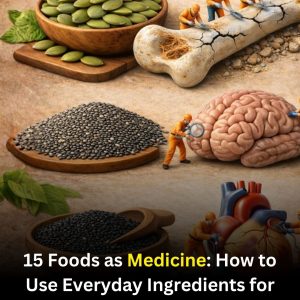
As we age, it’s common to notice changes in energy, circulation, and overall comfort. Some people over 60 report tired legs during walks, mild ankle swelling by evening, or hands and feet that feel cold more often than before. While these changes can be part of normal aging, nutrition and hydration habits may also play a role.
One nutrient that often gets less attention in later life is magnesium — an essential mineral involved in hundreds of processes in the body. Adding magnesium-rich foods or beverages to your routine may be a gentle way to support overall wellness.
This isn’t about “stopping” plain water. Staying well-hydrated with regular water remains very important. Instead, think of this as a possible addition to a balanced lifestyle.
A Common Nutritional Gap After 60
Research from various countries suggests many older adults consume less magnesium than recommended. This can happen for several reasons, including smaller appetites, dietary restrictions, or lower intake of whole foods like nuts, seeds, beans, and leafy greens.
Magnesium contributes to:
• Normal muscle function
• Nerve signaling
• Energy production
• Electrolyte balance
• Maintenance of normal blood pressure
• Bone health
Because it also plays a role in how blood vessels relax and contract, magnesium is sometimes discussed in relation to circulation and vascular health.
Why Some People Feel More Fatigued
Fatigue, heavy legs, or mild muscle cramps can have many causes — sleep, activity level, medications, or medical conditions, to name a few. Nutrition is just one piece of the puzzle.
Magnesium helps the body produce ATP, the molecule that carries energy in our cells. When intake is low, some people may feel less energetic, though this varies widely from person to person.
Possible Benefits of Adequate Magnesium Intake
Based on general nutrition research, getting enough magnesium may support:
• Normal muscle relaxation, which can help with occasional cramps
• Healthy heart rhythm
• Balanced blood pressure within a healthy lifestyle
• Bone strength alongside calcium and vitamin D
• Normal inflammatory responses in the body
• Overall energy metabolism
These are supportive roles — not cures or treatments.
Plain Water vs. Mineral Support
Plain water is still essential for hydration, temperature regulation, and organ function. However, unless it is natural mineral water, it typically contains very few minerals.
Some people choose to include magnesium through food, mineral water, or supplements to complement their diet.
A Simple Magnesium Citrus Water Idea
One gentle option some adults explore is magnesium citrate mixed into water. This can also encourage better hydration because of the light citrus flavor.
Basic preparation:
• Use magnesium citrate powder according to the label’s dosage instructions
• Mix into about 1 liter of water
• Add lemon or orange slices for flavor
• Sip gradually through the day
Some people also add mint for taste.
Food sources of magnesium include:
• Pumpkin seeds
• Almonds and cashews
• Spinach and leafy greens
• Beans and lentils
• Whole grains
• Dark chocolate (in moderation)
These foods are often the safest first step.
Safety Considerations
Magnesium needs vary by individual. Too much from supplements can cause digestive upset, especially diarrhea.
Speak with a healthcare professional before supplementing if you:
• Have kidney conditions
• Take diuretics or heart medications
• Take medications affecting electrolytes
• Have chronic health conditions
A provider can help determine appropriate intake.
A Balanced Perspective
Magnesium is important, but it’s not a magic solution. Circulation and energy are influenced by many factors, including:
• Regular physical activity
• Balanced nutrition
• Adequate sleep
• Stress management
• Medical care when needed
Small, consistent habits usually matter more than quick fixes.
Final Thought
If you’re looking to support your well-being after 60, focusing on nutrient-rich foods, good hydration, and regular checkups can go a long way. Including magnesium-rich options may be one helpful piece of that larger picture.
This article is for informational purposes only and does not replace medical advice. Always consult a qualified healthcare provider before changing your diet or supplement routine.