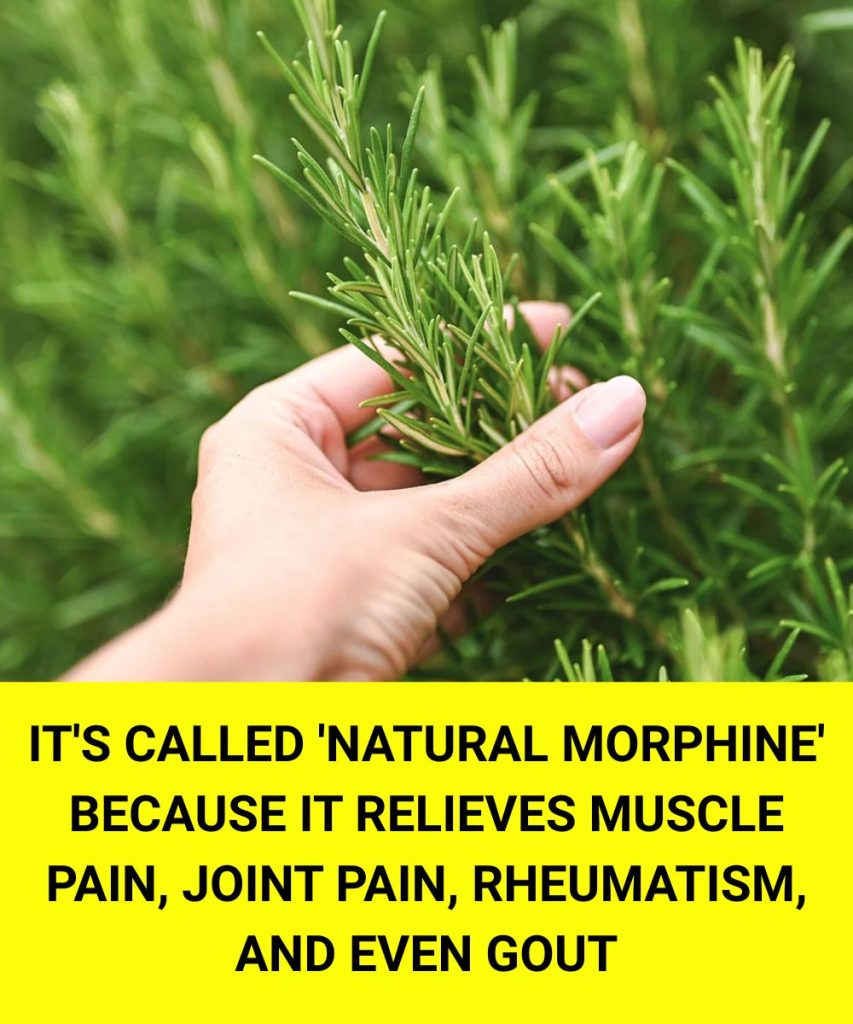

As we grow older, our bodies experience natural changes – slower metabolism, weaker immunity, and greater vulnerability to memory loss and inflammation. One herb that has long been used for its healing and restorative properties is rosemary. Beyond being a flavorful kitchen ingredient, rosemary is now considered as a natural ally in promoting healthy aging.
1. Encourages Brain Health and Memory
One of rosemary’s most studied effects is its potential to enhance memory and cognitive function. The herb consists of natural compounds that may protect brain cells from damage caused by oxidative stress and inflammation. These compounds help stimulate circulation to the brain and encourage the neurotransmitters that are crucial for focus and clarity.
Inhaling the aroma of rosemary or drinking rosemary tea may improve alertness and concentration. Some small studies have explored that even the scent of rosemary can boost recall and reaction time. For older adults, this makes rosemary an easy and natural way to encourage daily mental performance and possibly slow age-related decline.
2. Combats Inflammation and Oxidative Stress
Aging is often accompanied by chronic inflammation, which plays a vital role in conditions like heart disease, arthritis, and neurodegeneration. Rosemary is loaded with antioxidants that help neutralize harmful free radicals and ease inflammation throughout the body.
By fighting oxidative stress, rosemary can protect cells from premature aging and help keep healthier tissues and organs. Regular use such as adding rosemary to meals or drinking it as tea can gently support the body’s natural defense systems without the need for harsh medications.
3. Boosts Immunity

As we age, the immune system becomes less efficient at protecting us from infections and viruses. Rosemary naturally encourages immune health through its antibacterial, antiviral, and antifungal properties. Applying rosemary regularly in cooking or as a warm infusion can help boost the body’s natural resistance and promote overall vitality.
In addition, rosemary contains trace minerals and nutrients that contribute to better metabolic function and energy production, helping older adults feel more active and resilient.
4. Relieves Aches and Improves Circulation
Many older adults experience muscle stiffness, joint pain, or poor circulation. Rosemary has traditionally been used to relieve aches and improve blood flow. Applying diluted rosemary crucial oil to sore areas may soothe muscles, while drinking rosemary tea can help stimulate circulation.
Better bl00d flow means more oxygen and nutrients reach the body’s tissues, which encourages healing and reduces fatigue. This makes rosemary especially helpful for people with sedentary lifestyles or those recovering from long periods of inactivity.
5. Improves Emotional Well-Being
Emotional balance is just as important as physical health in later years. The pleasant, invigorating scent of rosemary can help reduce anxiety, fatigue, and mild depression. It’s often used in aromatherapy to uplift mood and clear mental fog.
The herb’s ability to boost bl00d circulation to the brain may also play a role in boosting mood and energy levels. For seniors, even a short session of rosemary aromatherapy or a warm cup of rosemary tea can bring calmness, focus, and comfort.
How to Use Rosemary Safely
There are many simple ways to blend rosemary into daily life:
- As a seasoning: Add fresh or dried rosemary to roasted vegetables, soups, or meat dishes.
- As a tea: Steep a few sprigs of rosemary in hot water for a refreshing, earthy tea.
- As an essential oil: Use a few drops in a diffuser for aromatherapy or mix with a carrier oil for gentle massage.
- As a bath soak: Add dried rosemary or a few drops of its oil to warm bath water to relax muscles and ease tension.
Rosemary is more than just a fragrant herb. It’s a symbol of vitality, clarity, and renewal. For older adults, it provides gentle support for the body and mind: protecting memory, easing pain, strengthening immunity, and lifting the spirit. Whether using in food, tea, or aromatherapy, rosemary reminds us that nature still offers powerful tools to help us age with health and grace.