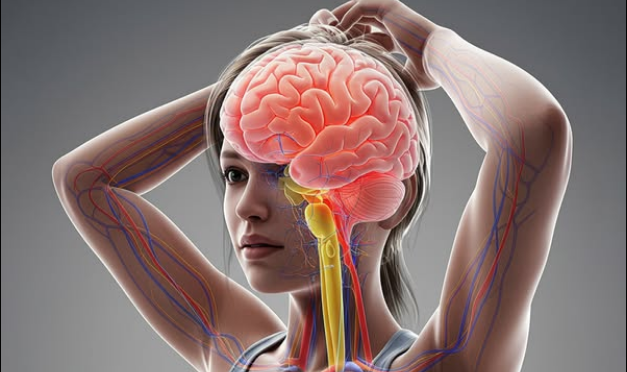
Certain vitamins and minerals can play an important role in supporting mood, brain function, and overall emotional well-being. Although they are not a replacement for professional treatment such as therapy or prescribed medication, low levels of some nutrients have been linked to a higher risk of depressive symptoms.
Here are some of the most important vitamins and minerals often discussed in relation to mood support.
Vitamins That May Help Support Mood
Vitamin D
Role: Vitamin D is important for immune function and may also help support mood regulation.
Low levels: A deficiency in vitamin D has been associated with a greater likelihood of low mood, especially in places where people get limited sunlight.
Sources: Sunlight, fatty fish such as salmon, eggs, and fortified milk or dairy alternatives.
Vitamin B12
Role: Vitamin B12 helps the body produce important brain chemicals, including serotonin and dopamine, which are involved in mood regulation.
Low levels: A lack of vitamin B12 may lead to fatigue, mental fog, weakness, and mood changes.
Sources: Meat, eggs, dairy products, and supplements when needed, especially for vegetarians and vegans.
B-Complex Vitamins
This group is especially important, including vitamin B6 and folate (vitamin B9).
Role: These vitamins support brain metabolism and help the body produce neurotransmitters involved in emotional balance.
Sources: Beans, leafy green vegetables, whole grains, avocado, and legumes.
Important Minerals for Emotional Health
Magnesium
Role: Magnesium supports muscle relaxation, sleep quality, and healthy brain function.
Low levels: Inadequate magnesium intake is often associated with stress, anxiety, and low mood.
Sources: Nuts, seeds, dark chocolate, spinach, and bananas.
Zinc
Role: Zinc helps with communication between nerve cells and supports the normal function of the nervous system.
Sources: Red meat, seafood such as oysters, pumpkin seeds, and legumes.
Iron
Role: Iron helps carry oxygen throughout the body, including to the brain, and is essential for energy production.
Low levels: Iron deficiency can lead to tiredness, weakness, and in some cases mood-related symptoms, especially in women.
Sources: Red meat, spinach, lentils, beans, and iron-fortified foods.
Practical Tips
If you often feel tired, unmotivated, or emotionally drained, it may be helpful to check whether nutrient deficiencies are playing a role. Blood tests can help evaluate levels of vitamin D, vitamin B12, iron, and magnesium.
A multivitamin or targeted supplement may be useful in some cases, especially if you have dietary restrictions or confirmed deficiencies. However, it is always best to speak with a doctor or nutrition professional before starting supplements, because taking high doses of certain vitamins or minerals may cause unwanted side effects.