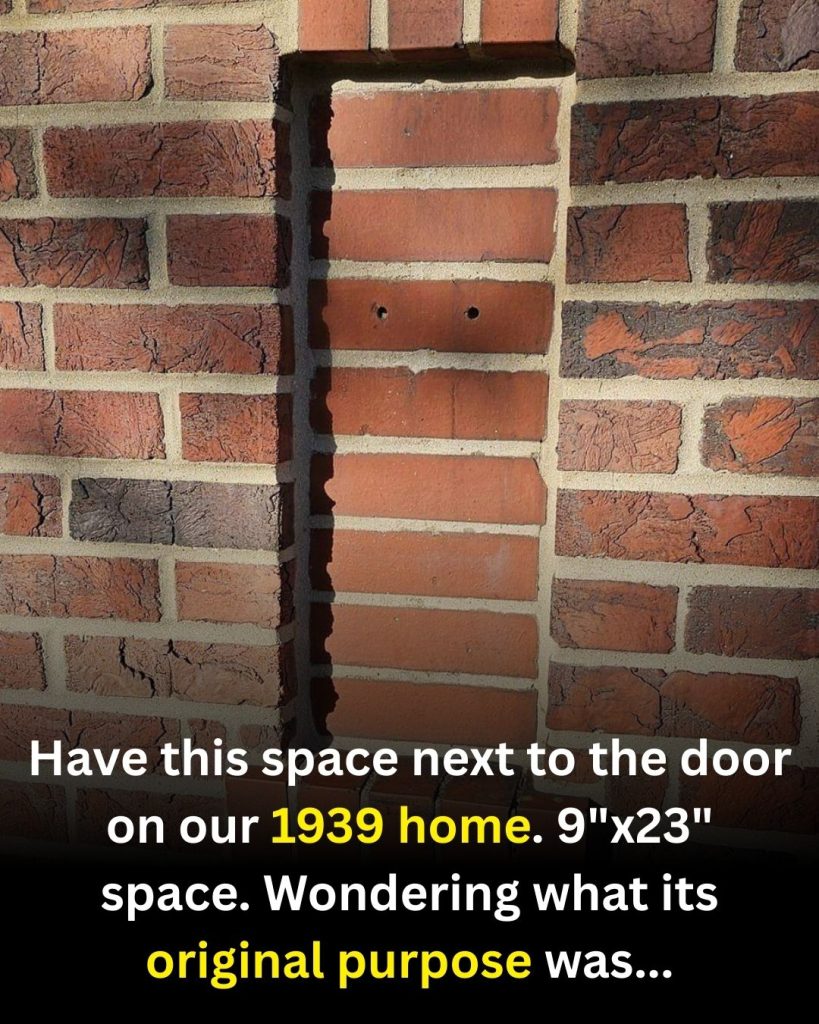

In the early to mid-20th century, many homes featured a small but clever detail that quietly made daily life easier: the milk door. Tucked into an exterior wall near the kitchen, this modest hatch connected households to the era’s booming home-delivery culture.
To modern eyes, a milk door can look like a mysterious little cabinet on the outside of a house. But decades ago, it was a practical solution for busy families and local dairies alike.
What Was a Milk Door?
A milk door was a small, built-in door—usually wood or metal—installed in an exterior wall. It opened to a tiny insulated compartment accessible from both outside and inside the home.
Each morning, a milkman would place fresh bottles of milk inside the compartment without needing to enter the house. The family could then retrieve the milk from the inside door. Empty bottles were left there to be picked up and replaced on the next delivery.
This simple system preserved privacy, improved security, and ensured fresh dairy was available for breakfast without anyone needing to answer the door at dawn.
Why They Became Popular
Milk doors rose in popularity as cities and suburbs expanded and demand for fresh dairy grew. Refrigeration was not yet common in every home, so frequent deliveries were the norm. The door acted as a safe transfer point for perishable goods.
While called “milk” doors, they were often used for more than milk. Butter, cream, and eggs sometimes arrived the same way. For many families, this daily exchange became part of their routine and a subtle thread in neighborhood life.
Why They Disappeared
By the mid-to-late 20th century, milk doors began to fade away. Several changes contributed:
- Widespread home refrigeration
- The rise of supermarkets and one-stop shopping
- Shifts in work schedules and lifestyles
As families started buying dairy during regular grocery trips, daily delivery services declined, and milk doors became less necessary.
A Nostalgic Feature Today
Homes that still have milk doors now offer a charming glimpse into the past. Some homeowners preserve them as historical details, while others repurpose them for mail, packages, or even as quirky storage nooks.
Their story is bigger than milk. It reflects how home design adapts to everyday needs—and how convenience isn’t a modern invention at all.
Sometimes, the smallest features tell the richest stories about how people once lived, connected, and cared for their homes.