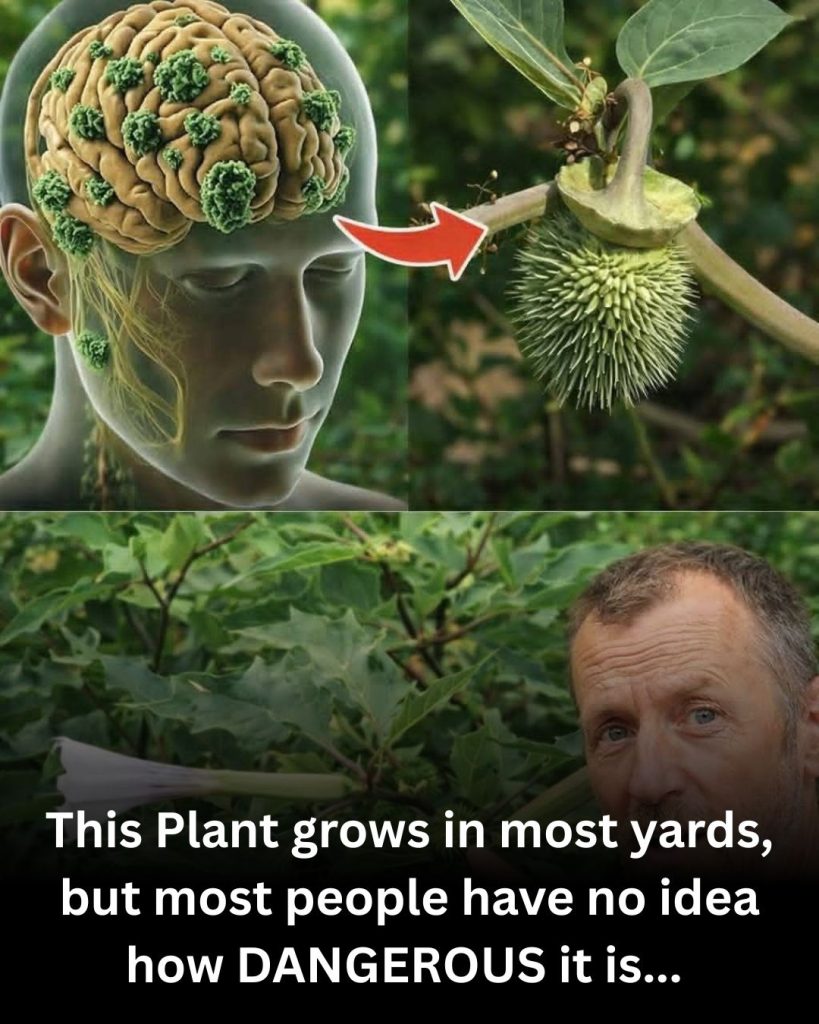

A Hidden Risk Growing in Plain Sight
Many people enjoy gardening or walking past vacant lots without realizing that some of the most dangerous plants grow quietly among familiar greenery. The risk begins when a plant looks harmless—even beautiful—yet carries dangers that are rarely discussed until an accident happens. This lack of awareness can lead to accidental exposure, especially for children, pets, or curious adults.
The good news is that understanding the nature of Datura stramonium and learning how to recognize and handle it safely can dramatically reduce these risks—and there’s one overlooked safety insight near the end that most people never hear about.
What Is Datura Stramonium?
Datura stramonium, often called jimsonweed or devil’s trumpet, is an annual plant known for its large trumpet-shaped flowers and spiny seed pods. It grows aggressively in disturbed soil, along roadsides, abandoned fields, gardens, and even urban areas.
Here is the key point many people miss: this plant is highly toxic in every part, including its leaves, flowers, stems, seeds, and roots.
Why It Spreads So Easily
Datura thrives where other plants struggle. It tolerates poor soil, heat, and neglect, making it common in places people rarely monitor. Its seeds can survive for years in the soil, waiting for the right conditions to sprout.
Because it resembles ornamental plants and releases a sweet scent at night, many people don’t realize they are dealing with something dangerous until symptoms appear.
Why Datura Stramonium Is Considered Dangerous
The danger comes from naturally occurring chemicals called tropane alkaloids, including atropine, scopolamine, and hyoscyamine. These compounds interfere with the nervous system and can affect the brain, heart, and lungs.
Key Toxic Effects at a Glance
-
Disruption of brain signaling
-
Loss of muscle control
-
Changes in heart rhythm
-
Suppression of breathing
Datura’s potency is unpredictable. Two plants of the same size may contain very different toxin levels.
How Datura Affects the Brain
One of the most alarming aspects of exposure is its effect on the mind.
Confusion and Delirium
Even small amounts can cause severe confusion, memory loss, and disorientation. People may not recognize familiar faces or surroundings.
These mental effects can last for days, increasing the risk of injury or unsafe behavior.
Hallucinations
Datura-related hallucinations are often intense and frightening, making it difficult to distinguish reality from imagination.
Physical Effects on the Body
Datura’s effects spread quickly through multiple body systems.
Heart and Circulation
Exposure may cause:
-
Rapid heartbeat
-
Elevated blood pressure
-
Irregular heart rhythm
In severe cases, the cardiovascular system can be overwhelmed.
Breathing Difficulties
Suppression of breathing muscles can lead to shallow breathing or respiratory failure, sometimes without clear early warnings.
Digestive and Skin Symptoms
Early signs often include:
-
Extremely dry mouth
-
Hot, flushed skin
-
Difficulty swallowing
-
Dilated pupils and blurred vision
These symptoms are sometimes mistaken for dehydration or heat exhaustion.
Why Children and Pets Are Especially at Risk
Children are naturally curious, and pets explore with their mouths. Datura’s spiky pods and large flowers can look like toys.
Animals may consume fallen seeds without immediate symptoms, becoming severely ill hours later. This delay can make the cause harder to identify.
Historical and Cultural Background
For centuries, Datura appeared in folklore, rituals, and traditional medicine. Some cultures believed it enabled spiritual communication, while others feared it as a plant of madness.
Modern science, however, shows that casual or experimental use has led to many medical emergencies worldwide.
How to Identify Datura Stramonium Safely
Visual Identification Checklist
-
Large white or pale purple trumpet-shaped flowers
-
Jagged leaves with a strong odor when crushed
-
Round, spiky seed pods that split open when mature
If unsure, avoid touching the plant and consult a local expert.
What to Do If Datura Is in Your Garden
Step-by-Step Safe Removal
-
Wear thick gloves and long sleeves
-
Avoid touching your face
-
Remove the entire plant, including roots
-
Seal it in a strong plastic bag
-
Dispose of it according to local guidelines
Never compost Datura, as seeds can survive.
What to Do If Exposure Is Suspected
Do not wait for symptoms to worsen.
Seek Medical Care If You Notice
-
Sudden confusion or agitation
-
Extremely dry mouth and skin
-
Rapid heartbeat
-
Visual disturbances
Bring a sealed sample or photo of the plant if possible.
Safer Alternatives for Night-Blooming Gardens
-
Moonflower (ornamental varieties)
-
Evening primrose
-
Night-blooming jasmine
Conclusion: Respect Over Fear
Datura is not dangerous because it is “evil,” but because it is powerful and misunderstood. Awareness and simple precautions can prevent serious harm. Nature offers beauty, but it also demands respect.
Frequently Asked Questions
Is Datura illegal to grow?
Usually not, but regulations vary by region.
Can touching Datura cause poisoning?
Brief contact is less risky than ingestion, but protection is recommended.
Is there any safe home use?
No. Experts advise against it.
Medical Disclaimer
This article is for informational purposes only and does not replace professional medical advice. Always consult healthcare providers for concerns about plant exposure.