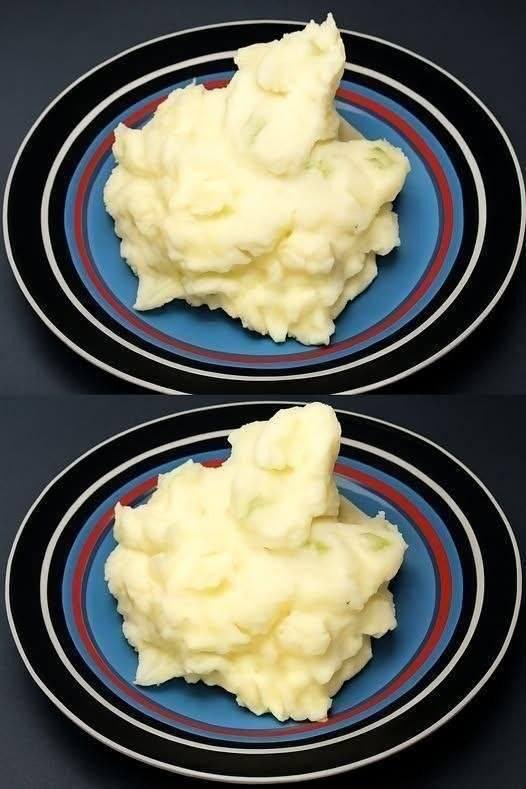

Mashed potatoes are one of the most comforting side dishes you can make. They are creamy, buttery, warm, and perfect next to roasted chicken, steak, turkey, gravy, or vegetables. But if your mashed potatoes often turn out watery, gluey, or bland, the problem may not be the recipe.
The real issue could be the way you cook the potatoes.
Most people boil potatoes before mashing them because it feels like the easiest method. However, boiling can actually work against you. It can cause the potatoes to absorb too much water, lose flavor, and become difficult to mash into that smooth, fluffy texture everyone loves.
If you want rich, creamy mashed potatoes with better flavor, steaming or baking the potatoes is often a better choice.
Why Boiling Potatoes Can Ruin Mashed Potatoes
Boiling potatoes may seem simple, but it can affect both the flavor and texture of your final dish. Here’s why it often leads to disappointing mashed potatoes.
1. Potatoes Absorb Too Much Water
When potatoes are boiled, they sit directly in water as they cook. During that time, they can absorb excess moisture. This extra water makes the potatoes softer, but not in a good way.
Instead of becoming fluffy and creamy, they can turn loose, watery, and heavy. Once this happens, many people try to fix the texture by mixing the potatoes more. Unfortunately, overmixing releases too much starch and can make the mashed potatoes gummy or gluey.
For the best mashed potatoes, you want tender potatoes that are cooked through but not waterlogged.
2. The Flavor Gets Washed Away
Potatoes have a naturally earthy, slightly sweet flavor. When they are boiled, some of that flavor can escape into the cooking water. This can leave the potatoes tasting plain or dull.
That is why boiled mashed potatoes sometimes need a lot of butter, cream, salt, or seasoning just to taste good.
Steaming or baking helps keep more of the potato flavor where it belongs — inside the potato. The result is a richer mash that tastes delicious before you even add the butter.
3. Boiling Can Cook Potatoes Unevenly
Another common problem with boiling is uneven cooking. If the potato pieces are not cut the same size, some pieces may become too soft while others stay firm in the center.
This can make it harder to achieve a smooth, consistent mash. You may end up with watery pieces, firm chunks, or a texture that feels uneven.
Steaming and baking give you more control and often lead to a better final result.
The Better Way: Steam or Bake Your Potatoes
If you want mashed potatoes that are creamy, flavorful, and never watery, try steaming or baking instead of boiling. Both methods help preserve the natural texture and taste of the potatoes.
Method 1: Steaming Potatoes
Steaming is one of the best ways to cook potatoes for mashed potatoes. It softens them gently without soaking them in water.
To steam potatoes, peel and cut them into evenly sized chunks. Place them in a steamer basket over simmering water, cover, and cook until fork-tender. Once they are soft, transfer them to a bowl and mash them with butter, warm cream, salt, and your favorite seasonings.
Steamed potatoes create a smooth, creamy mash with better structure and less risk of becoming watery.
Method 2: Baking Potatoes
Baking potatoes is another excellent method, especially if you want deeper flavor. When potatoes bake, their moisture stays balanced and their flavor becomes more concentrated.
To bake them, scrub whole potatoes and place them in the oven until tender. Once baked, slice them open and scoop out the fluffy potato flesh. Mash with butter, warm milk or cream, roasted garlic, salt, and pepper.
Baked mashed potatoes have a richer, more savory taste and a naturally fluffy texture.
Best Potatoes for Mashed Potatoes
Choosing the right potato makes a big difference.
Yukon Gold potatoes are creamy, buttery, and naturally smooth. They are a great choice if you want rich mashed potatoes with a silky texture.
Russet potatoes are light, fluffy, and starchy. They are perfect for classic mashed potatoes that feel soft and airy.
You can also use a mix of Yukon Gold and Russet potatoes for the best of both worlds.
Pro Tips for Creamy Mashed Potatoes
Use warm butter, milk, or cream. Cold ingredients can cool down the potatoes and make them harder to mix smoothly.
Mash gently. A potato masher or potato ricer works best. Avoid using an electric mixer because it can overwork the potatoes and make them sticky.
Season as you go. Salt is important for bringing out the natural potato flavor. You can also add white pepper, black pepper, roasted garlic, fresh herbs, or a small pinch of nutmeg.
Don’t overmix. Once the potatoes are smooth and creamy, stop mixing. Too much stirring can turn a beautiful mash into a gummy one.
Flavor Add-In Ideas
Roasted garlic
Fresh chives
Sour cream
Cream cheese
Parmesan cheese
Brown butter
Caramelized onions
Fresh parsley
Cracked black pepper
Final Thoughts
Perfect mashed potatoes are not complicated, but the cooking method matters. Boiling may be traditional, but it can make potatoes watery, bland, and gluey if you are not careful.
For better results, try steaming or baking your potatoes instead. These methods help keep the flavor inside, protect the texture, and create mashed potatoes that are creamy, fluffy, and deeply comforting every time.