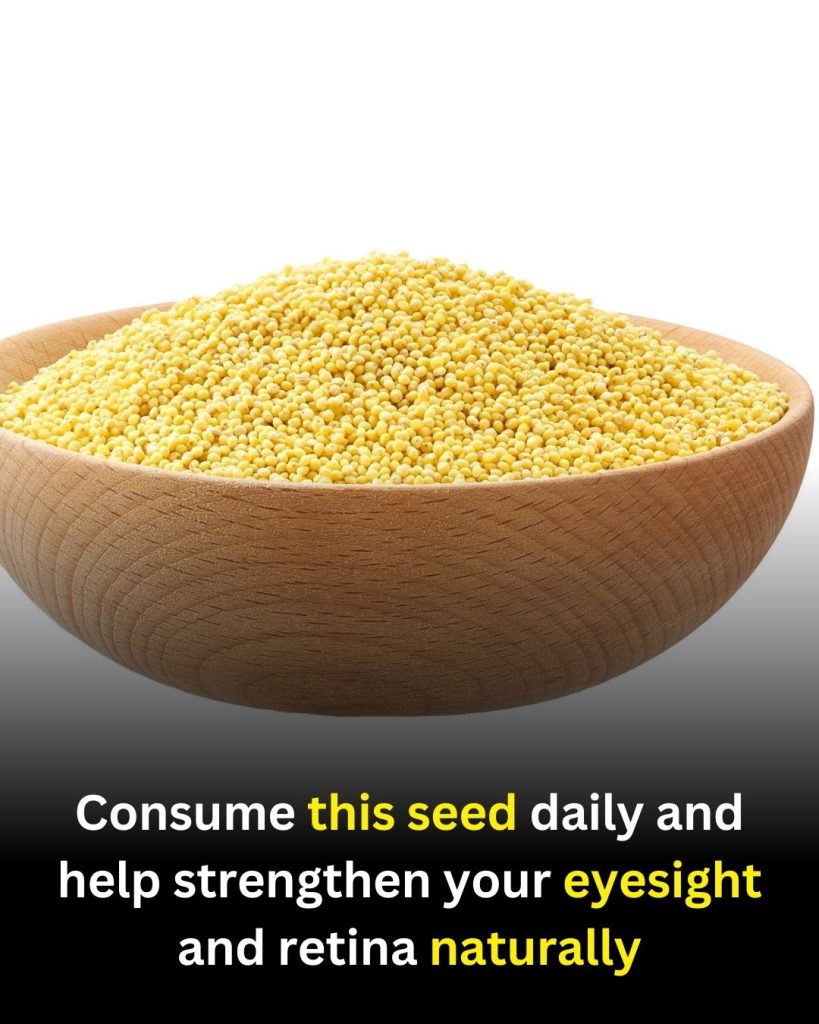

Millet is a tiny, golden grain that has been eaten for centuries across Asia and Africa. It’s affordable, gentle on digestion, and naturally rich in nutrients. Recently, it has gained attention again — especially among people over 50 who want to support their overall wellness, including eye health.
If you’ve noticed your eyes tiring more easily, feeling dry, or struggling with glare, you’re not alone. Vision changes are common with age. While aging plays a role, nutrition also matters more than many people realize.
Let’s look at what millet can realistically offer.
Why Eye Comfort Often Changes After 50
Many adults over 50 report:
- Eye fatigue by the end of the day
- Dry or irritated eyes
- Sensitivity to bright light
- Slower focus when reading
- More strain from screens
These shifts can be influenced by lifestyle, screen exposure, environment, and diet. The eyes — especially the retina — are exposed to oxidative stress daily, and they rely on certain nutrients to stay supported.
What Makes Millet Interesting for Eye Support
Millet is not a miracle food, but it contains nutrients that are known to play roles in normal eye function:
✔ Lutein (a plant pigment)
Lutein is naturally present in the retina. It helps filter blue light and supports normal visual function.
✔ Antioxidants
Antioxidants help protect cells from oxidative stress, which affects many parts of the body, including the eyes.
✔ Zinc and Magnesium
These minerals contribute to normal metabolism and nerve function, including in visual pathways.
✔ Fiber
Healthy digestion helps the body absorb nutrients more efficiently.
Together, these nutrients support overall wellness — and good overall nutrition supports eye health too.
Realistic Benefits People May Notice
When millet becomes part of a balanced diet, some people report:
- Less eye fatigue during reading or screen use
- Improved comfort in bright environments
- Better overall hydration and wellness
- Reduced general tiredness that can affect the eyes
These changes are gradual and depend on total diet and lifestyle, not one food alone.
Easy Ways to Add Millet to Your Diet
You don’t need complicated recipes.
Simple ideas:
- Sprinkle toasted millet on oatmeal
- Mix cooked millet into salads
- Blend a small amount into smoothies
- Add to yogurt with fruit
- Use as a rice alternative in meals
How much to start?
Begin with 1 teaspoon to 1 tablespoon daily, then adjust slowly.
Consistency matters more than quantity.
A Gentle Reminder
Millet supports health as part of a balanced diet, not as a treatment or cure.
If you have:
- Eye disease
- Diabetes
- Chronic conditions
- Special dietary needs
It’s best to speak with a healthcare professional before making changes.
Final Thoughts
Millet is simple, nourishing, and easy to include in everyday meals. While it won’t reverse aging or replace medical care, it can be one of many smart nutritional choices that support overall well-being after 50.
Sometimes the most helpful habits are also the most modest.
A small spoonful each day may be a simple step toward better nutritional balance.
Disclaimer:
This article is for general wellness education and does not replace medical advice. Always consult a qualified healthcare professional regarding vision concerns or dietary changes.