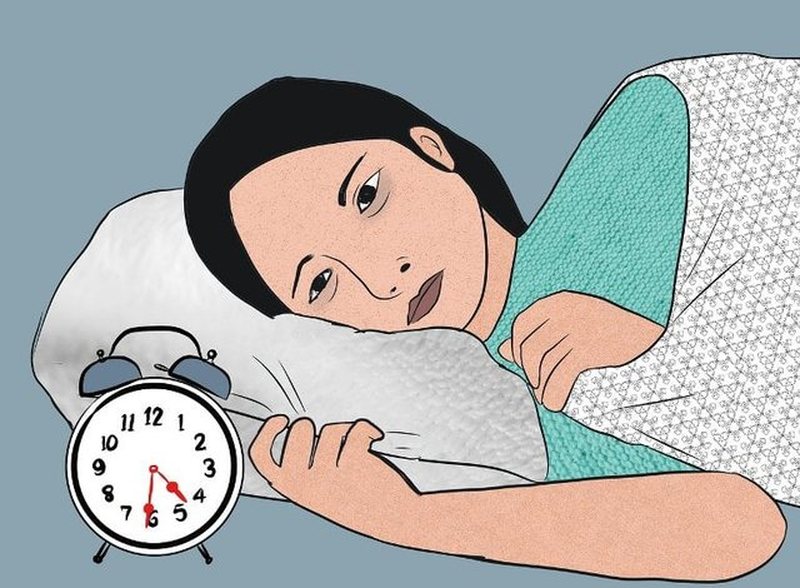

Sleep is one of the most important parts of overall well-being. When sleep is disrupted, it can affect the body, mind, and emotions in many ways. Poor sleep may leave you feeling tired, unfocused, irritable, and less able to handle daily stress.
According to traditional Chinese medicine, sleep patterns may offer clues about a person’s general state of balance. Some believe that the times when you have trouble falling asleep or wake up during the night may reflect stress, emotional tension, or other imbalances in the body.
Below are some of the most commonly discussed sleep time patterns and what they may suggest.
Difficulty Falling Asleep Between 9:00 p.m. and 11:00 p.m.
If you often struggle to fall asleep during these hours, stress may be playing a role. A busy mind, anxiety, or mental tension can make it hard for the body to relax at the end of the day.
Relaxing habits such as meditation, light stretching, deep breathing, or a calming bedtime routine may help improve sleep quality. A warm herbal tea before bed may also help some people unwind.
Trouble Sleeping Between 11:00 p.m. and 1:00 a.m.
If falling asleep during this period is difficult, some traditional beliefs associate it with emotional strain. According to traditional Chinese medicine, this time is linked to the gallbladder, which is symbolically connected with decision-making, courage, and emotional processing.
This may be a reminder to pay more attention to emotional stress and unresolved feelings.
Waking Up Between 1:00 a.m. and 3:00 a.m.
Waking during these hours is often linked, in traditional interpretations, to feelings such as frustration, anger, or emotional overload. It may also reflect stress that has built up during the day.
Some people find that calming practices such as meditation, slow breathing, or drinking a little water can help them relax and return to sleep more easily.
Waking Up Between 3:00 a.m. and 5:00 a.m.
This time period is often connected with the lungs in traditional Chinese medicine. It is also sometimes associated with sadness or emotional heaviness.
If you regularly wake during these hours, breathing exercises and gentle relaxation techniques may help support a calmer state before sleep and during the night.
Sleep Problems Between 5:00 a.m. and 7:00 a.m.
If your sleep tends to become lighter or disrupted during these early morning hours, it may reflect emotional tension or unresolved inner stress. Traditional Chinese medicine often links this time with blocked emotions and the need for emotional release.
Gentle stretching after waking up, journaling, or finding healthy ways to work through emotions may help support better well-being over time.
Final Thoughts
Sleep patterns can sometimes reveal more than simple tiredness. Stress, emotions, daily habits, and lifestyle choices can all affect how well you rest at night.
Paying attention to your sleep routine and making small changes to improve relaxation may help you enjoy more restful nights and better overall balance. If sleep problems continue for a long time or begin affecting your daily life, it may be helpful to speak with a healthcare professional.