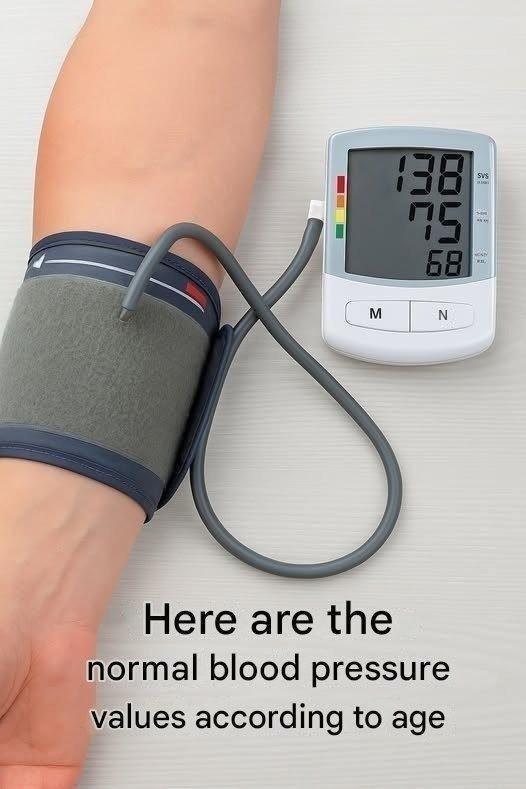

Blood pressure is one of the most important numbers for understanding your heart health. It shows how strongly your blood pushes against the walls of your arteries as your heart pumps. A reading is written as two numbers, such as 120/80 mmHg. The top number is the systolic pressure, which measures pressure when the heart beats. The bottom number is the diastolic pressure, which measures pressure when the heart relaxes between beats.
What is considered normal?
In general, normal blood pressure is below 120/80 mmHg according to the American Heart Association. Many NHS sources also describe an ideal range as roughly 90/60 mmHg to 120/80 mmHg for adults.
Here is a simple guide to adult blood pressure categories:
Blood pressure categories
- Normal: less than 120 systolic and less than 80 diastolic
- Elevated: 120–129 systolic and less than 80 diastolic
- Stage 1 high blood pressure: 130–139 systolic or 80–89 diastolic
- Stage 2 high blood pressure: 140 or higher systolic or 90 or higher diastolic
- Severely high blood pressure: higher than 180/120 mmHg
When is blood pressure considered high?
The NHS notes that blood pressure is usually considered high if it is:
- 140/90 mmHg or higher when checked by a healthcare professional
- 135/85 mmHg or higher when checked at home
The World Health Organization defines clinical hypertension in adults as a systolic pressure of 140 mmHg or higher and/or a diastolic pressure of 90 mmHg or higher on two different days.
What about low blood pressure?
Low blood pressure is generally considered to be below 90/60 mmHg. Some people naturally have lower readings without problems, but for others it can cause dizziness, fainting, weakness, or blurred vision.
Why normal blood pressure matters
Keeping blood pressure in a healthy range reduces strain on the heart and blood vessels. Persistently high blood pressure raises the risk of serious health problems, including heart disease, stroke, and kidney disease.
A few important things to remember
Blood pressure can change throughout the day depending on stress, activity, caffeine, pain, sleep, and even how it is measured. One reading alone does not always mean there is a problem. Repeated readings over time give a clearer picture.
If you ever get a reading above 180/120 mmHg, take it seriously. The American Heart Association advises repeating the reading after one minute. If it is still that high, contact a healthcare professional, and if you also have symptoms such as chest pain, shortness of breath, weakness, trouble speaking, or vision changes, seek emergency help right away.
Final thoughts
For most adults, a normal blood pressure reading is below 120/80 mmHg, while readings between 90/60 mmHg and 120/80 mmHg are often described as ideal. If your numbers are repeatedly above normal, it is worth checking with a healthcare professional and monitoring them regularly. Early attention can make a big difference in long-term health.