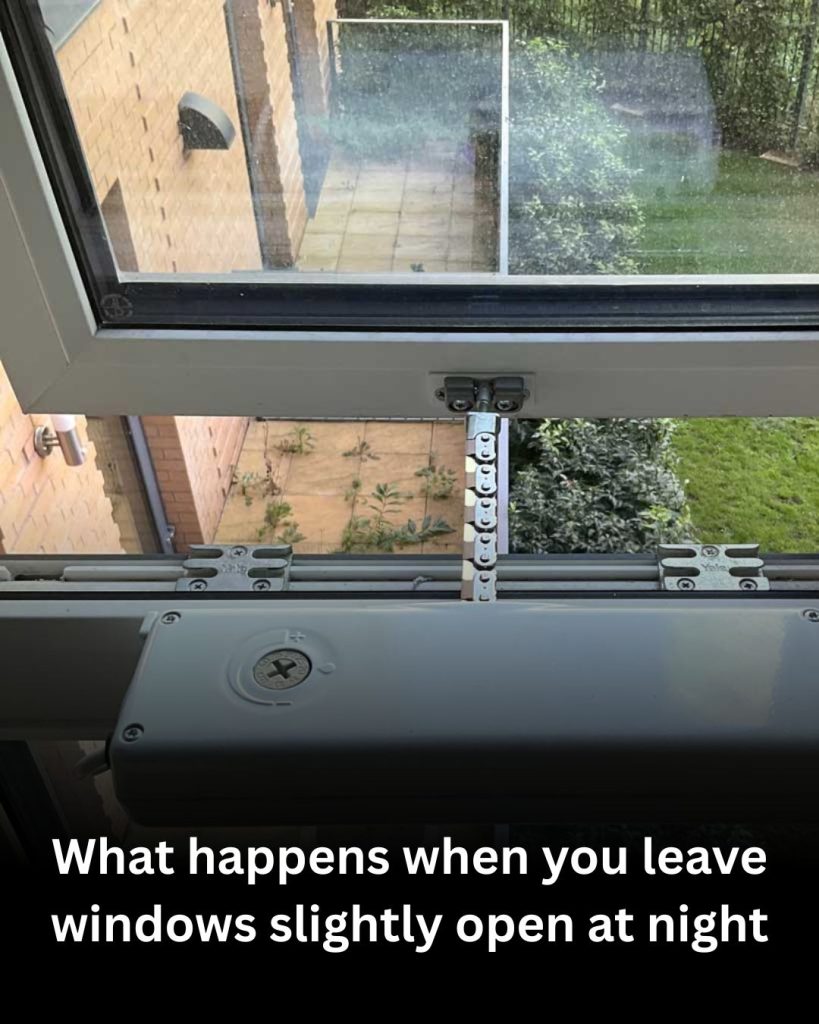

Many people crack a window open at night for fresh air, a cooler room, or better sleep. It feels natural and refreshing, especially after a long day in a closed space. But leaving windows slightly open while you sleep can have both benefits and drawbacks. Understanding what actually happens can help you decide what’s best for your home and health.
The Fresh Air Advantage
One of the biggest benefits is improved air circulation. Indoor air can become stale from cooking, breathing, and everyday activities. When a window is slightly open, fresh outdoor air can replace trapped indoor air.
Better ventilation may:
-
Reduce stuffiness
-
Lower indoor pollutants
-
Help disperse odors
-
Create a more comfortable sleep environment
Cooler air can also help regulate room temperature. Many people sleep better in a slightly cool room because it supports the body’s natural sleep cycle.
Possible Sleep Benefits
A small flow of fresh air can improve oxygen levels in a closed room. Some people report deeper, more restful sleep when the room feels fresh rather than sealed.
The gentle background noise from outside—like wind or distant city sounds—can even act as white noise for some sleepers.
The Hidden Downsides
However, open windows aren’t always ideal.
Allergens and Pollution
Outdoor air can carry pollen, dust, and pollution. If you have allergies or live in a busy city, an open window may actually worsen air quality indoors.
Humidity and Moisture
In humid climates, open windows can let moisture in. This can encourage mold growth over time, especially around window frames or curtains.
Security Concerns
Even slightly open windows can be a security risk on lower floors or easily accessible areas. It’s something many homeowners overlook.
Noise Disruptions
While some noise is soothing, sudden loud sounds—traffic, animals, or neighbors—can interrupt sleep.
How to Do It Smartly
If you enjoy sleeping with a window open, a few precautions help:
-
Use window locks that allow partial opening
-
Install insect screens
-
Check pollen and air quality levels
-
Avoid opening during very humid nights
-
Close windows if outdoor noise is high
The Bottom Line
Leaving windows slightly open at night can improve airflow and comfort, but it’s not always the best choice for every home or climate. The key is balance—fresh air is great, but it should come without sacrificing safety or air quality.
A small opening can make a big difference, as long as it fits your environment and personal needs.