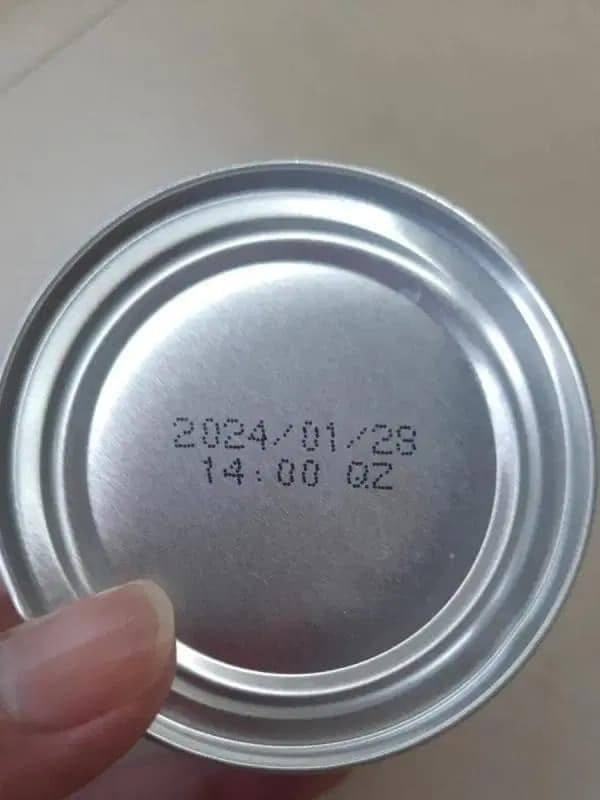

Food expiration labels can be confusing, and many people end up throwing away perfectly good food because they misunderstand what the dates actually mean. Terms like “Best By,” “Use By,” and “Sell By” are often treated as strict deadlines, but in many cases they are simply guidelines related to quality, freshness, or store inventory. Learning how to read these labels correctly can help you save money, reduce food waste, and make safer decisions in the kitchen.
One of the most common labels is “Best By” or “Best Before.” This date is usually found on canned goods, cereals, snacks, pasta, and other shelf-stable products. It does not mean the food suddenly becomes unsafe after that day. Instead, it tells you when the manufacturer believes the product will be at its best in terms of taste, texture, and overall quality. After that date, the food may lose some freshness, but it can often still be safe to eat if it has been stored properly.
Another label you may see is “Use By.” This is more common on perishable foods such as dairy products, meat, and fresh items. Unlike “Best By,” this label is more closely related to safety and freshness. Once that date has passed, there may be a greater risk that the food has spoiled or become unsafe, especially if it has not been kept at the correct temperature.
The “Sell By” date is mainly intended for stores rather than consumers. It helps retailers manage stock and ensure products are sold while still fresh. Foods may often remain good for a short time after the “Sell By” date, depending on the product and how it has been stored.
You may also come across “Expires On.” This wording is often used on products like supplements, vitamins, or certain health-related items. In these cases, it is generally best to follow the printed date more carefully, since the product may lose effectiveness or no longer be considered reliable after that point.
It is important to understand that food safety depends on much more than the date printed on the package. Storage conditions play a major role. A carton of milk left out too long may spoil before the date, while canned soup stored in a cool, dry place may remain good long after its “Best By” label. The type of food, the packaging, and whether the product has been opened or damaged all affect how long it lasts.
Shelf life is another term people often confuse with expiration dates. Shelf life refers to how long a product can stay in good condition while maintaining acceptable quality. In many cases, the printed date marks the end of the estimated peak shelf life, not necessarily the exact moment the food becomes bad.
There are also clear warning signs that food should be thrown away, regardless of the date. Mold, sour or unpleasant smells, unusual texture, discoloration, or damaged packaging are all signs that a product may no longer be safe. If something looks wrong, smells strange, or tastes off, it is always better to be cautious.
You can also extend the life of your food with good habits. Refrigerate perishables properly, freeze foods you will not use soon, store dry goods in airtight containers, and rotate pantry items so older products are used first. These simple steps can help prevent spoilage and reduce waste.
Understanding food labels is especially important because so much food is discarded unnecessarily. Many people throw out products simply because the date has passed, even when the food is still perfectly usable. In reality, labels like “Best By” and “Sell By” are often about quality, not safety.
In the end, expiration dates should be seen as helpful guidance rather than automatic deadlines. Knowing what each label means, storing food properly, and trusting your senses can help you make smarter choices, protect your health, and get more value from the food you buy.