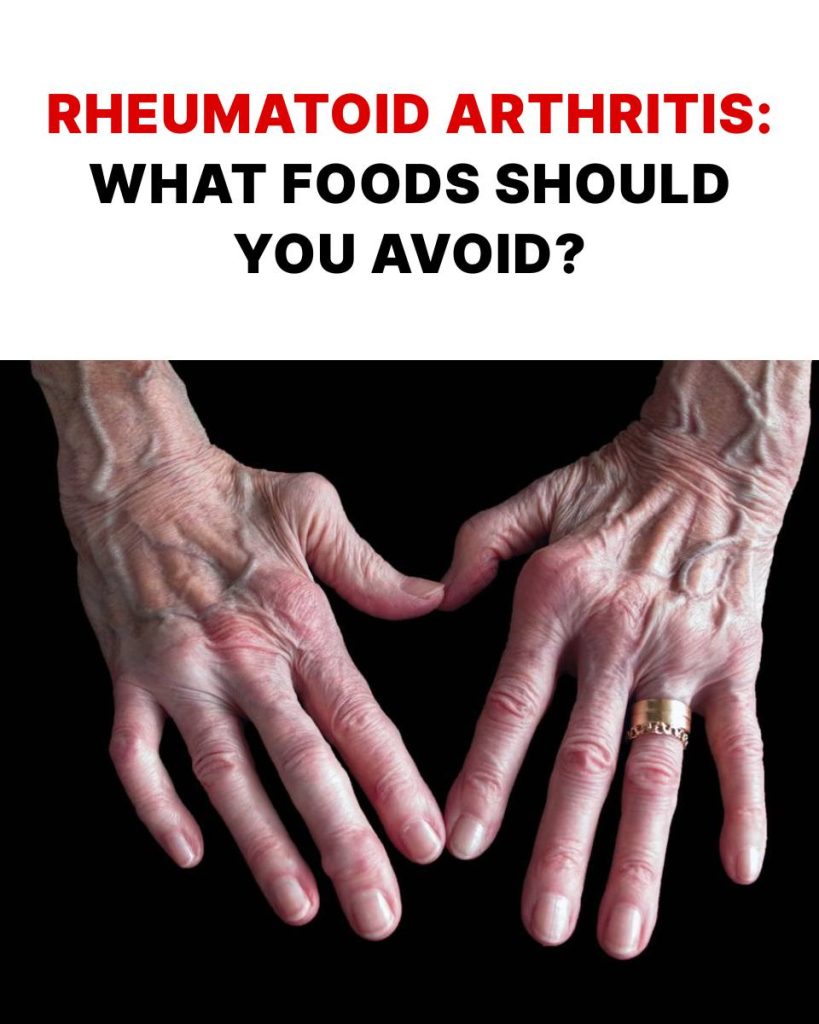

‘Rheumatoid arthritis is a chronic rheumatic, inflammatory, and autoimmune condition that causes pain, swelling, stiffness, and a gradual loss of joint function. How the disease progresses largely depends on how early it is diagnosed. In most cases, it is a lifelong condition, as there is still no definitive cure.
Living with rheumatoid arthritis means managing a persistent autoimmune inflammatory disease that primarily affects the joints. It occurs more frequently in women, with a female-to-male ratio of about 3–4:1, and is most commonly diagnosed between the ages of 40 and 60. That said, it can develop at any point in life, including during childhood.
Living with rheumatoid arthritis
- Life expectancy with rheumatoid arthritis
- Can it cause disability
- Physical exercise
- Diet
- Famous people with rheumatoid arthritis
Life expectancy with rheumatoid arthritis
Living with rheumatoid arthritis can be extremely challenging. It often becomes a constant presence, one that can significantly interfere with daily life. However, there is encouraging news.
Life expectancy for people with rheumatoid arthritis has improved in recent years, as mortality rates have declined compared with the past. While the disease is still linked to premature death—mainly due to complications such as cardiovascular problems—advances in treatment have made a meaningful difference. Earlier diagnosis and more effective therapies have helped improve outcomes and quality of life.
Rheumatoid arthritis is considered one of the most severe osteoarticular diseases because of the structural damage it can cause to joints and bones. The main issue lies in inflammation, which is not always confined to the joints.
It can extend to blood vessels, muscles, lungs, kidneys, the heart, the nervous system, the eyes, and the blood-forming system. For this reason, people typically do not die directly from rheumatoid arthritis itself, but from complications that arise over time.
There is also a particularly aggressive, rapidly progressive form of the disease that can drastically worsen quality of life.

Can it cause disability
Rheumatoid arthritis can indeed lead to disability. Joint pain, deformity, and reduced mobility may severely limit daily activities and independence. Simple tasks such as brushing your hair, buttoning a shirt, or carrying groceries can become difficult.
Professional life may also be affected, especially for those whose work relies heavily on hand function, such as surgeons, craftspeople, or tailors.
In Italy, around 25% of people with rheumatoid arthritis report limitations in leisure activities and difficulties at work, while about 4% are considered completely disabled. Early-onset disease often leads to early anatomical damage, which increases the risk of disability and raises mortality due to extra-articular complications.
In these cases, life expectancy may be reduced by three to ten years. Disability status can be requested when a person’s ability to work is reduced by more than 33%, making them eligible for financial support and practical assistance.
Physical exercise
Regular physical activity is essential for people living with rheumatoid arthritis, as it helps preserve joint mobility and muscle strength. Exercise does not need to be intense; instead, it should be adapted to individual symptoms and respect the limits imposed by inflammation. G
entle activities such as stretching, strengthening exercises, walking, dancing, yoga, Tai Chi, and especially water-based exercise are highly recommended. The buoyancy of water reduces stress on the joints and can be particularly beneficial.
Consistency matters more than intensity. Incorporating movement into your routine several times a week—or even daily—can lead to better results than sporadic, strenuous sessions.
Simple strategies, such as walking part of your commute or tracking daily steps, can help build motivation. Exercise should be viewed as a form of treatment and self-care. When done correctly, it can reduce pain, boost confidence, and support independence, which is vital for personal dignity.
Diet
Diet plays a crucial role in overall health, particularly for those with chronic conditions like rheumatoid arthritis. One of the strongest links between diet and the disease is body weight. Excess weight places additional stress on the joints, often worsening pain, swelling, and stiffness.
The Mediterranean diet is widely recommended. It emphasizes fruits, vegetables, whole grains, legumes, olive oil, and lean proteins such as fish and poultry. Red meat, processed foods, and packaged products should be limited. Foods with anti-inflammatory and antioxidant properties—such as turmeric, nuts, seeds, and legumes—may also help alleviate some symptoms.
Famous people with rheumatoid arthritis
Rheumatoid arthritis affects around 1% of the global population, including many well-known figures. Actress Eleonora Giorgi began experiencing symptoms at 37, particularly in the joints of her hands. With a family history of the disease, her diagnosis was not entirely unexpected. After nearly three decades, the pain continues to limit her movements and has spread to her feet.
Anna Marchesini became a powerful symbol for patients worldwide. Despite suffering from an aggressive form of rheumatoid arthritis that caused severe hand deformities, she continued her artistic career and openly discussed the condition, helping raise awareness of a disease that still has no cure.
Tennis star Caroline Wozniacki also shared her diagnosis of a form of rheumatoid arthritis before the 2018 US Open. For a professional athlete, the diagnosis was a shock, but with treatment, she has seen positive results and continues to move forward with determination.