Chicken feet are a beloved delicacy in many parts of the world. But while chicken feet may be tasty and even beneficial for some, they are not suitable for everyone. Certain health conditions and lifestyle factors make this dish something to limit or avoid altogether.
1. People with Obesity or Weight Problems
Chicken feet may not look heavy in calories, but the truth is that most of their edible part is skin and fat. This means they are relatively high in cholesterol and saturated fat. Regularly consuming them—especially if prepared fried or with oily sauces—can contribute to weight gain and make it harder for overweight individuals to manage their diet. If you are trying to lose weight or keep your cholesterol levels in check, chicken feet should not be on your regular menu.
2. Patients with Gout or High Uric Acid
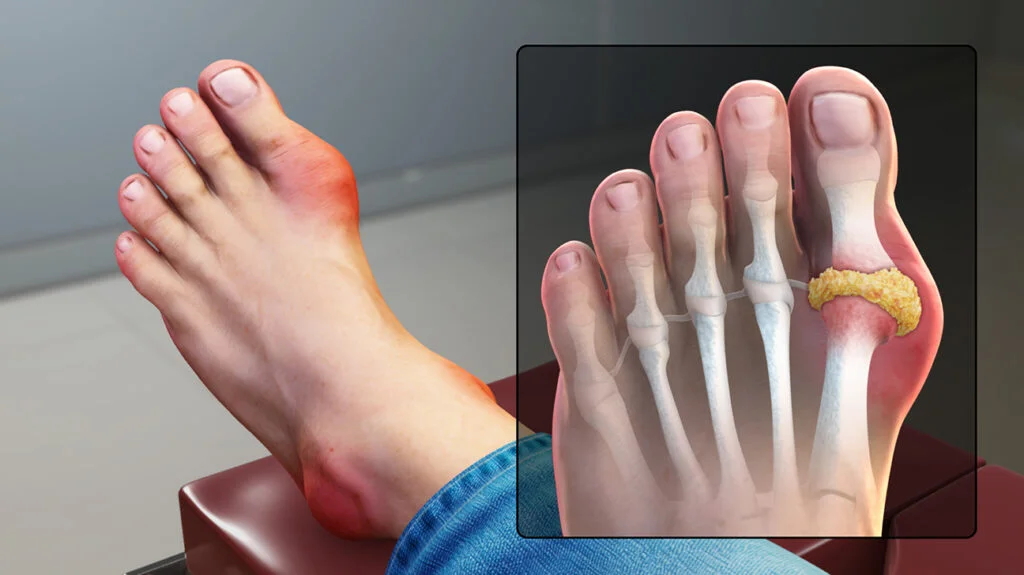
For people with gout, chicken feet are a risky choice. They contain purines, natural substances that break down into uric acid in the body. Excess uric acid can crystallize in the joints, leading to painful gout attacks. Even small amounts of purine-rich foods may spark flare-ups in sensitive individuals. If you have gout or your doctor has concerned you about high uric acid levels, it is best to avoid chicken feet.
3. Those with High Cholesterol or Heart Disease
Chicken feet contain a significant quantity of fat because they are mostly made of skin and connective tissue. Although collagen is safe in and of itself, those who have excessive cholesterol, heart disease, or hypertension may find the cholesterol content problematic. Consuming fatty meals, such as chicken feet, over time may exacerbate arterial plaque accumulation and raise the risk of heart attack or str0ke.
4. People with Diabetes
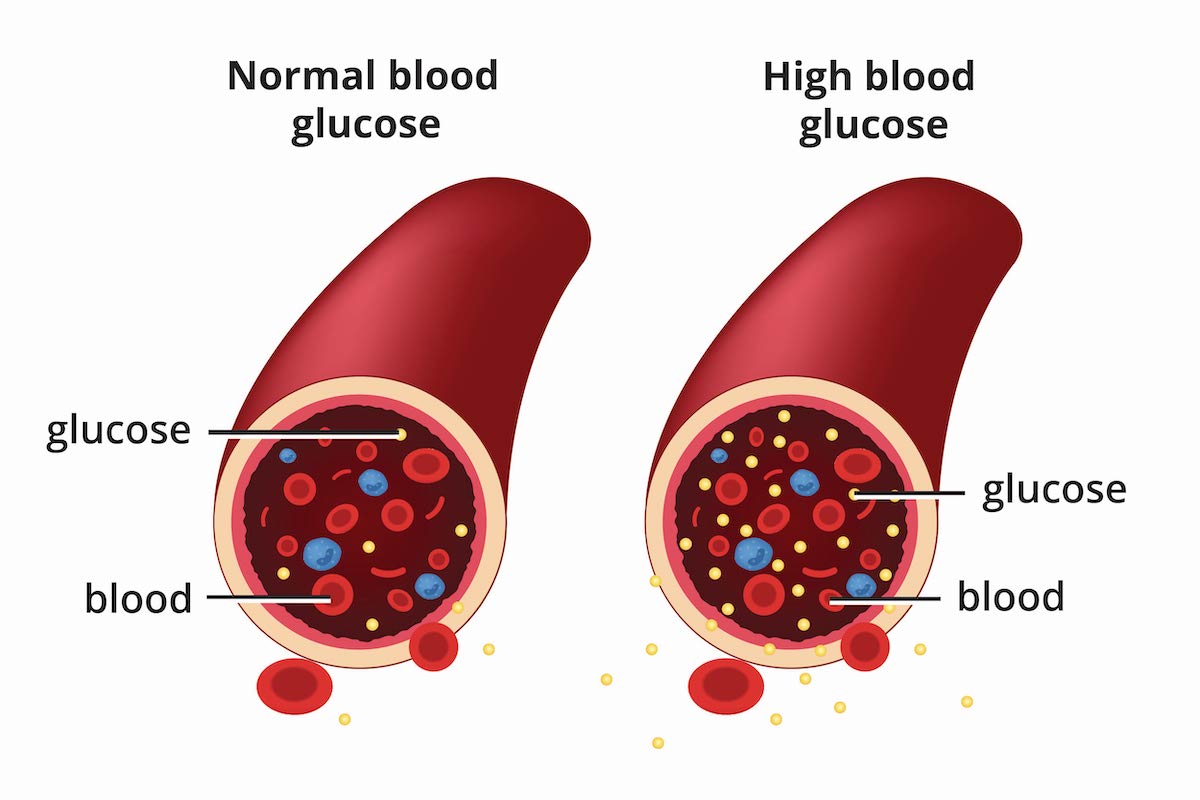
Diabetes is often connected to other conditions such as obesity, high bl00d pressure, and poor lipid control. Since chicken feet are not lean protein and are often prepared with sugar-heavy marinades or salty sauces, they can hinder with balanced bl00d sugar management. People with diabetes should be cautious, especially when these dishes are part of a carbohydrate-heavy meal.
5. Patients with Liver or Kidney Disease
The liver and kidneys play a crucial role in filtering out toxins and processing proteins and fats. For patients with liver or kidney disorders, too much purine and fat from chicken feet can overburden these organs. This can lead to complications or make existing symptoms worse. Doctors usually recommend such patients stick to leaner, easier-to-digest sources of protein.
6. Children and the Elderly
Chicken feet can provide a choking threat to children and elderly people with weakened teeth. It’s easy for the tiny bones to become lodged in the throat. Elderly adults may find them too harsh, while children may lack the patience to chew them properly. It is safer to keep this food away from these age groups unless well monitored.