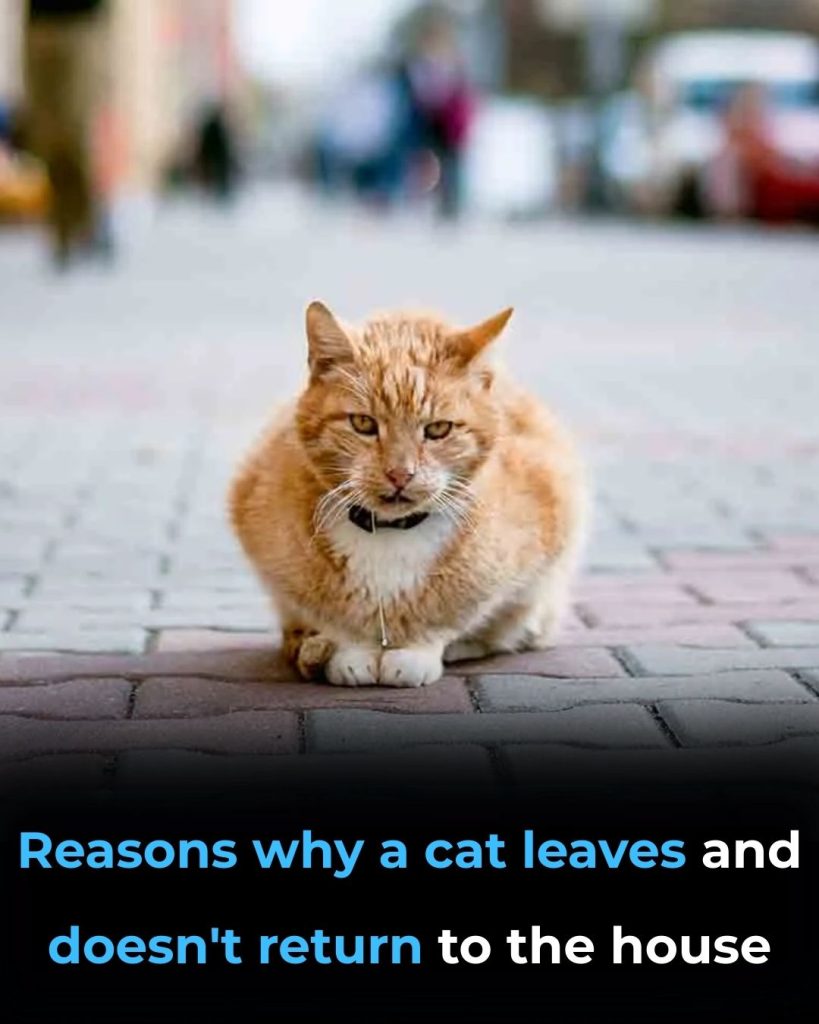

Cats are curious, independent creatures—and while that’s part of their charm, it can also be the source of stress when one suddenly disappears. If your cat has left home and hasn’t come back, or you’re worried it might, you’re not alone. Many cat owners have experienced this heartbreak.
The good news? In most cases, there are clear, understandable reasons behind a cat’s decision to leave. Understanding these motivations can help you prevent future disappearances and ensure your cat stays safe and close to home.
Let’s explore the most common reasons why cats go missing—and what you can do about it.
1. A Natural Instinct to Explore
Cats are driven by curiosity and a strong sense of territory. Even indoor-outdoor cats who are well-fed and loved may wander off simply to explore new sights, smells, and environments. For some, a backyard isn’t enough—they might travel several blocks (or more) in a single outing.
Over time, these excursions can lead them farther than they intended, and they may become disoriented, especially in unfamiliar territory.
✅ Prevention Tip:
-
Use a collar with an ID tag containing your phone number.
-
Microchip your cat for permanent identification in case the collar falls off.
-
Consider installing a GPS tracker if your cat is an adventurous type.
2. Mating Instincts
If your cat is not spayed or neutered, their hormones can drive them to roam in search of a mate, especially during mating season. This is more common in male cats, who may travel long distances and stay away for days at a time.
Unfortunately, this behavior often increases their risk of getting into fights with other cats, being injured, or becoming lost.
✅ Prevention Tip:
-
Spay or neuter your cat as early as your vet recommends. It reduces roaming behavior, lowers the risk of disease, and contributes to a calmer, more home-oriented cat.
3. Conflict or Threats from Other Animals
Cats are territorial by nature. If another cat (especially a dominant or aggressive one) is invading your cat’s space, or if there are threats from dogs or other animals, your cat may choose to leave rather than fight.
This is especially common in multi-cat neighborhoods or areas with feral cat populations.
✅ Prevention Tip:
-
Offer a secure indoor environment where your cat feels protected.
-
If outdoors, ensure safe escape routes and hiding spots, such as cat houses or covered porches.
-
Consider creating a catio (cat patio) for safe outdoor time.
4. Disorientation or Getting Lost
While cats are often excellent navigators, even the most experienced outdoor cat can become confused by unexpected circumstances—loud noises, moving vehicles, or blocked routes. They may be unable to find their way back or become trapped somewhere nearby.
✅ Prevention Tip:
-
If your cat goes missing, check local hiding spots: under decks, in garages, behind sheds, or in bushes.
-
Ask neighbors to check their property.
-
Leave out familiar items, like their bedding, used litter, or favorite treats, to help guide them home by scent.
5. Illness or Injury
If your cat is injured or falls sick while outdoors, it may hide—either because it feels vulnerable or because it physically can’t return. Sadly, this is a common reason cats disappear without warning.
Cats instinctively seek quiet, hidden places when they’re unwell, which is why a thorough search is essential.
✅ Prevention Tip:
-
Keep your cat indoors when possible, especially at night or during extreme weather.
-
Schedule regular veterinary check-ups to catch health issues early.
-
Stay alert for changes in your cat’s behavior, like less energy or hiding, which may signal illness.
6. Stress or Changes at Home
Cats are creatures of habit. Big disruptions—like moving, renovations, new pets, or even a new baby—can be stressful. Some cats may feel overwhelmed and decide to leave in search of a calmer environment.
Even something as simple as rearranging furniture or having loud guests over can trigger anxiety.
✅ Prevention Tip:
-
Maintain consistency in routines, especially feeding and playtime.
-
Give your cat a quiet retreat within your home: a cozy spot that’s just theirs.
-
Use pheromone diffusers (like Feliway) to help calm anxious cats.
7. Temptation of Food and Attention Elsewhere
Some cats are social butterflies. If a neighbor offers food, warmth, or affection, your cat may begin visiting regularly—and may even decide to relocate if they feel more comfortable there.
Cats are opportunistic and will go where they feel safe and rewarded.
✅ Prevention Tip:
-
Make your cat’s home environment irresistible with toys, enrichment, affection, and regular meals.
-
Talk to neighbors and ask them not to feed your cat.
-
Consider keeping your cat indoors if it starts favoring other homes.
🛡️ How to Prevent Your Cat From Leaving for Good
While not every disappearance is avoidable, there are several proactive steps you can take to reduce the risk and build a stronger bond:
🐾 Build a Strong Connection:
Spend regular one-on-one time playing, grooming, or cuddling. Cats that feel emotionally secure are more likely to stay close to home.
🐾 Maintain a Routine:
Cats feel safest when they can predict their environment. Stick to a consistent schedule for feeding, play, and quiet time.
🐾 Create a Safe Outdoor Space:
If your cat loves the outdoors, consider supervised leash walks, cat enclosures, or window perches for fresh air and stimulation without risk.
🐾 Use Tech to Your Advantage:
Pet trackers, smart collars, and security cameras can help you monitor your cat’s behavior and location.
🐱 Final Thoughts: If Your Cat Goes Missing
If your cat has already left, act quickly:
-
Search your area daily, especially at dawn and dusk.
-
Post on local social media groups, vet offices, and animal shelters.
-
Leave out food, scent items, and a trail leading back home.
-
Stay hopeful—many cats return after days, weeks, or even longer.
While losing a pet is incredibly difficult, knowing why it happens can help you feel more in control—and more prepared to prevent it from happening again.
By creating a loving, secure, and enriched home environment, you can increase the chances that your beloved feline chooses to stay right where they belong—with you.