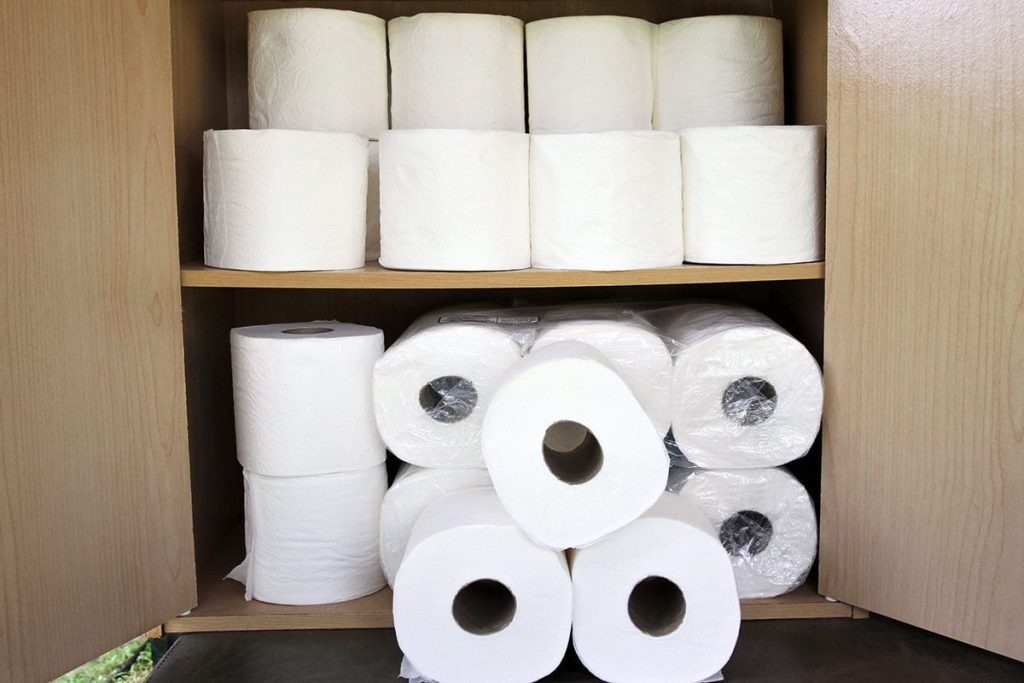

Toilet paper is one of those household essentials that most people use every day without giving it much thought. It is convenient, familiar, and has long been considered a normal part of daily hygiene. However, as environmental awareness continues to grow, more people are starting to rethink even the simplest routines and consider how they affect natural resources.
For many years, toilet paper was viewed as an unquestioned necessity. Since becoming widely used in the 19th century, it has remained a standard item in homes around the world. But today, increased attention is being placed on the environmental cost of producing it. The manufacturing process requires large amounts of wood pulp, water, and energy, placing pressure on forests and contributing to long-term environmental strain.
As a result, many households are becoming more interested in bathroom habits that are less wasteful and more sustainable. This shift is part of a larger movement toward responsible consumption, where people are paying closer attention to the products they buy, how they are made, and the impact they have over time. More consumers are reading labels, looking into sourcing methods, and searching for practical ways to reduce unnecessary waste.
One of the main alternatives attracting attention is water-based hygiene. In many parts of the world, these methods have been used for generations and are often seen as both effective and practical. As awareness grows, they are becoming more accepted in places where they were once less common. Modern options are also easier to install and use than in the past, making them more accessible for everyday households.
Reusable fabric products have also become part of the conversation. These alternatives appeal to people who want to reduce household waste and cut back on the repeated purchase of disposable products. Although switching to a new system may take some adjustment, many people find that these changes become easier once they are incorporated into daily routines.
The growing interest in eco-friendly bathroom alternatives shows how small choices can reflect broader environmental values. By exploring options that use fewer resources and create less waste, many households are finding new ways to make everyday life more sustainable without giving up comfort or cleanliness.
In the end, the rise of these alternatives is not just about replacing one product with another. It is about changing habits, rethinking convenience, and making choices that better support long-term environmental well-being.