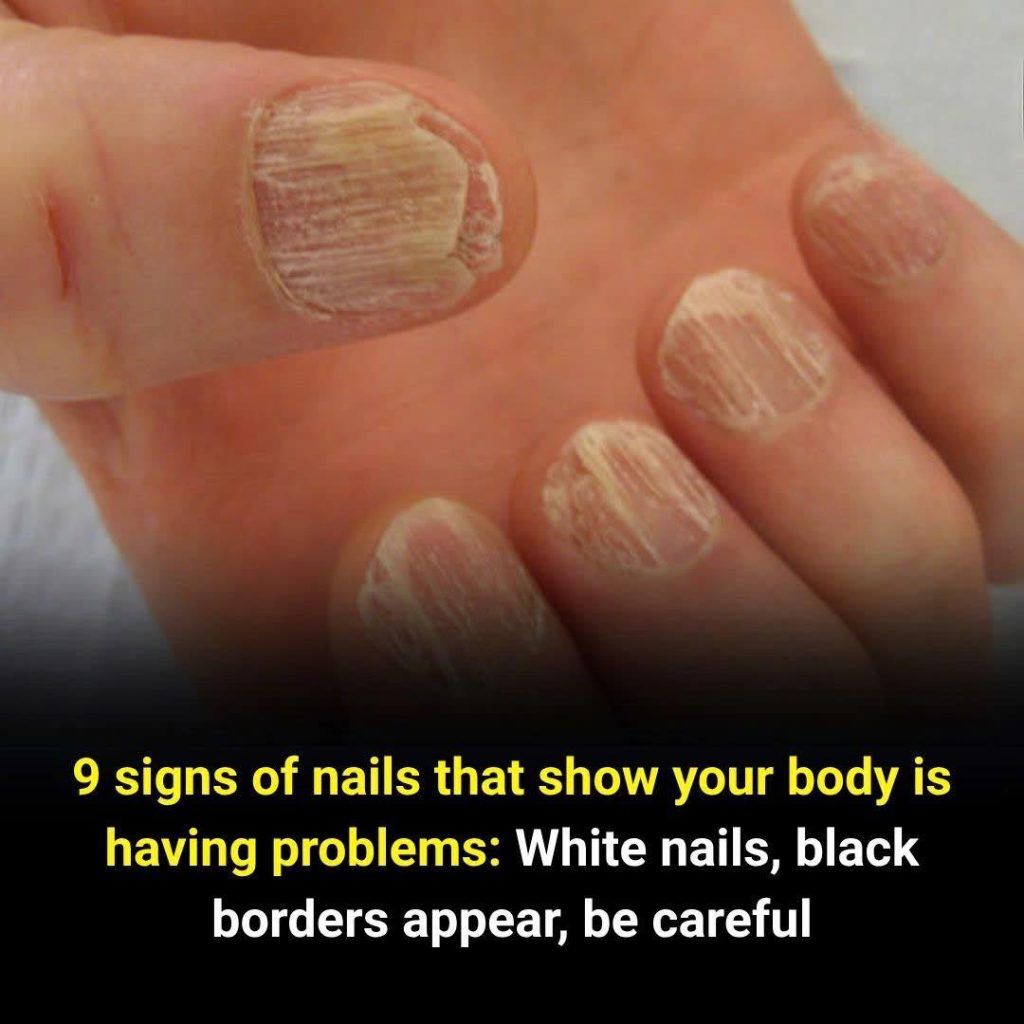

9 Nail Signs That May Reveal Hidden Health Problems
Your nails do much more than protect your fingers — they can act as early warning signals for what’s happening inside your body. Changes in nail color, texture, shape, or borders are often overlooked, but in many cases, they may reflect nutritional deficiencies, circulation problems, infections, or even chronic diseases.
Here are 9 nail signs you should never ignore, especially when they appear suddenly or worsen over time.
1. White or Pale Nails
If your nails appear unusually white, pale, or chalky, it may indicate:
-
Anemia
-
Liver disease
-
Malnutrition
-
Chronic illness
In some cases, completely white nails (known as Terry’s nails) are associated with liver or heart conditions. Persistent paleness should always be checked.
2. Black Borders or Dark Lines
Dark or black borders around the nails — especially if they appear without injury — can be alarming. These may signal:
-
Poor circulation
-
Heavy metal exposure
-
Melanoma (in rare cases)
A single dark line that grows or changes shape requires immediate medical evaluation.
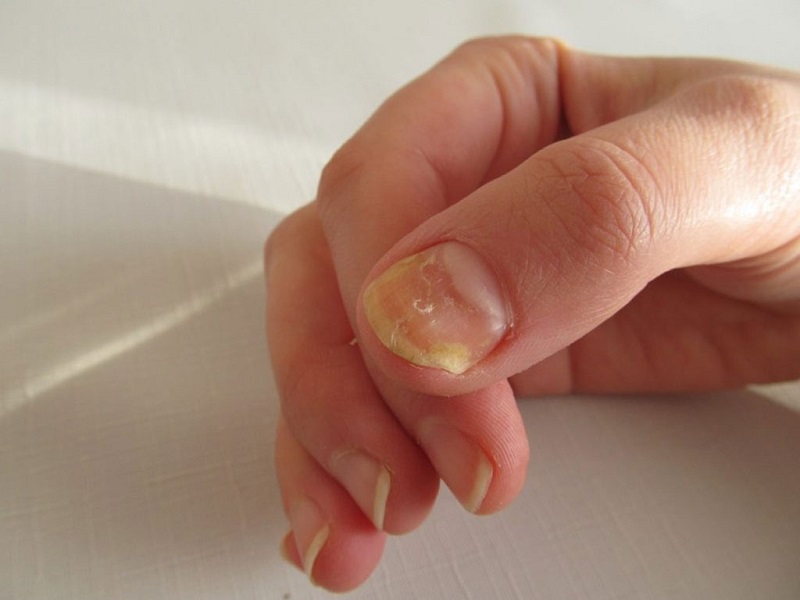
3. Yellow or Thickened Nails
Yellow nails that become thick, brittle, or crumbly are commonly linked to:
-
Fungal infections
-
Lung disease
-
Diabetes
-
Thyroid disorders
If antifungal treatments do not improve the condition, the cause may be internal rather than cosmetic.
4. Vertical Ridges
Vertical ridges running from the cuticle to the tip are often considered a normal part of aging. However, deep or sudden ridging may point to:
-
Vitamin B deficiency
-
Iron deficiency
-
Dehydration
-
Digestive absorption problems
When accompanied by fatigue or hair loss, these ridges deserve attention.
5. Brittle or Peeling Nails
Nails that crack, split, or peel easily may be a sign of:
-
Low iron levels
-
Thyroid imbalance
-
Excessive chemical exposure
-
Chronic dehydration
While nail polish removers and detergents can worsen brittleness, persistent weakness often reflects internal imbalance.
6. Spoon-Shaped Nails (Koilonychia)
When nails curve upward like a spoon, it can indicate:
-
Severe iron deficiency
-
Heart disease
-
Hemochromatosis (iron overload)
This shape is not normal and should never be ignored, especially in adults.
7. Blue or Purplish Nails
Bluish nails often signal low oxygen levels in the blood. Possible causes include:
-
Lung disease
-
Heart problems
-
Poor circulation
-
Cold exposure (temporary)
If nails remain blue even when warm, seek medical advice promptly.
8. Red or Brown Spots Under the Nails
Small dark red or brown streaks beneath the nails may look like splinters. These can be caused by:
-
Trauma
-
Blood vessel damage
-
Autoimmune disease
-
Heart valve infections (rare but serious)
When these spots appear without injury, they should be evaluated.
9. Slow Nail Growth or Sudden Changes
Healthy nails grow steadily. Noticeably slow growth or sudden changes in texture and color may reflect:
-
Metabolic disorders
-
Hormonal imbalance
-
Poor circulation
-
Chronic stress or illness
Your body often shows signs long before symptoms appear elsewhere.
Why Nail Changes Are Often Missed
Most people assume nail problems are cosmetic or harmless. As a result, early signs of deeper health issues go unnoticed. Nails grow slowly, so changes often reflect long-term internal conditions, not short-term problems.
Ignoring them means missing an opportunity for early detection.
When Should You See a Doctor?
You should seek medical advice if:
-
Nail changes persist for weeks
-
Multiple nails are affected
-
Changes are accompanied by pain, fatigue, or weight loss
-
Dark lines or borders appear suddenly
Early evaluation can prevent serious complications.
Final Reminder
Your nails are not just about appearance — they are messengers of your health. White nails, black borders, brittleness, or unusual shapes are signals your body is asking for attention.
Listen early. Act wisely.
Sometimes, the smallest details reveal the biggest problems.