For many people, certain restaurants are more than places to eat.
They are memories.
They are Saturday afternoons with parents, sticky menus handled by small hands, familiar smells that meant safety, routine, and belonging.
As years passed, those places quietly vanished.
Changing lifestyles, rising competition, and the relentless push toward fast-casual trends slowly pushed many family restaurants out of sight. The industry moved forward, but something was left behind. What once felt warm and dependable was replaced by concepts that were faster, louder, and often forgettable.
And yet—time has a way of circling back.
Today, a shift is happening. Families, older generations, and even younger diners are looking for something different. Not novelty for novelty’s sake, but comfort. Familiarity. Places that feel real. Restaurants that don’t just feed people, but welcome them.
Nostalgia, once dismissed as sentimental, has become a powerful pull.
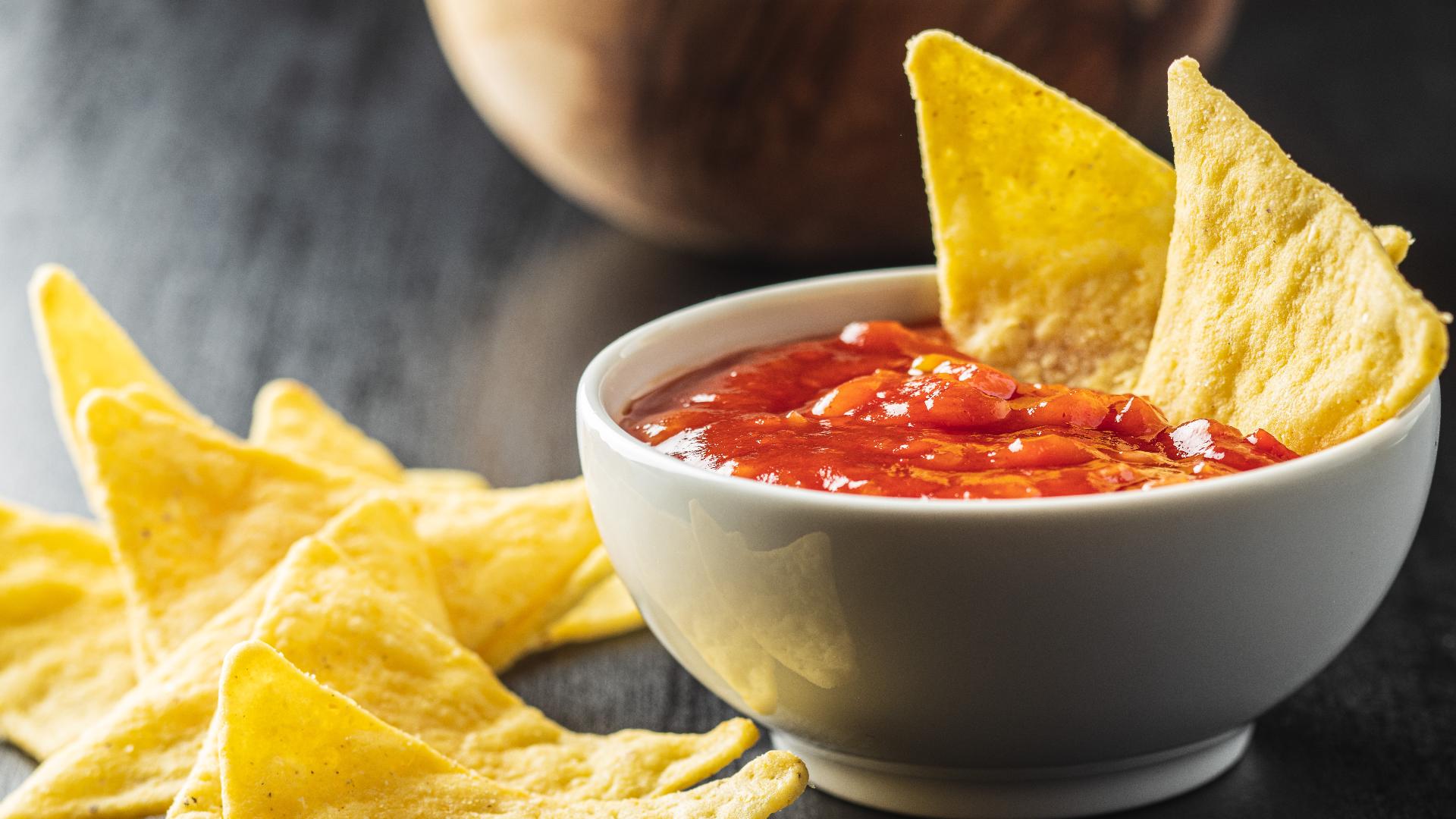
This revival isn’t about recreating the past exactly as it was. It’s about respecting it. The returning restaurant concept understands that people don’t want outdated—they want authentic. The menu still centers on classic comfort foods that guests remember fondly, but now with fresher ingredients, more thoughtful preparation, and options that reflect modern tastes and expectations. The goal isn’t to erase history, but to refine it—keeping portions approachable, prices reasonable, and flavors unmistakably familiar.
Equally important is the atmosphere. The updated spaces are brighter and more comfortable, designed to feel inviting rather than frozen in time. Subtle design elements nod to the brand’s heritage without overwhelming the experience. It’s a place where longtime fans feel recognized—and newcomers feel immediately at ease.
Beyond the walls, the restaurant is reclaiming its role as a community hub. Family nights, local partnerships, and shared events turn meals into moments. In an era dominated by screens and schedules, that sense of connection matters more than ever.

At the center of this return is Chi-Chi’s—a name that once defined family dining for millions. Known for its lively spirit and approachable menu, the brand is reemerging not by chasing trends, but by remembering who it was meant for. The comeback is careful, intentional, and grounded in respect for what made it beloved in the first place.
Chi-Chi’s return isn’t just about reopening doors.
It’s about reopening a feeling.
A reminder that some traditions don’t need to disappear—
they just need the chance to be rediscovered, reimagined, and shared again.