
For most people, it’s automatic.
Crack the egg. Use it. Toss the shell in the trash.
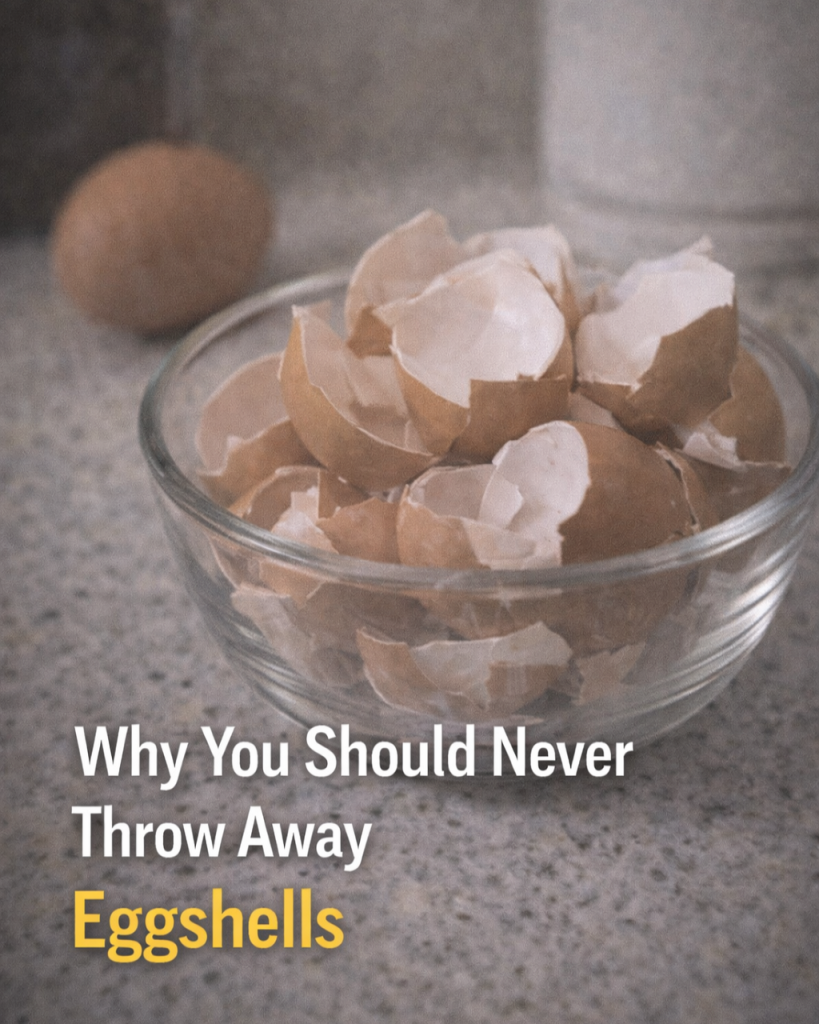
But that thin, fragile shell you throw away without thinking is one of the most useful natural materials in your home — and people who know its value rarely waste one.
Eggshells aren’t trash.
They’re calcium-rich tools hiding in plain sight.
What Eggshells Are Actually Made Of
Eggshells are composed of about 90% calcium carbonate, the same compound found in agricultural lime and many soil conditioners.
That makes them incredibly valuable for plants, cleaning, pest control, and even household maintenance.
And unlike store-bought products, they cost nothing and are completely natural.
The Gardening Benefit Most People Miss
Gardeners save eggshells for one big reason: soil health.
When crushed and added to soil, eggshells slowly release calcium, which helps plants develop strong cell walls. This is especially useful for tomatoes, peppers, and eggplants, which often suffer from calcium deficiency.
Eggshells also help:
-
Balance soil acidity
-
Strengthen plant roots
-
Improve overall plant resilience
Some gardeners dry the shells, crush them into powder, and mix them directly into potting soil. Others compost them for long-term benefits.
Either way, throwing them away is a missed opportunity.
The Natural Pest Deterrent Trick
Here’s a trick passed down through generations.
Crushed eggshells can deter soft-bodied pests like slugs and snails. The sharp edges make it uncomfortable for them to cross, encouraging them to stay away from plants.
It’s not poison.
It’s not chemicals.
It’s simply texture.
While it won’t replace full pest control, many gardeners swear it reduces damage when used consistently.
The Cleaning Hack Hiding in Your Kitchen
Eggshells aren’t just for the garden.
When crushed into small pieces, they become a gentle abrasive.
People use them to:
-
Scrub stubborn stains from pots and pans
-
Clean narrow containers like bottles and vases
-
Remove residue without scratching surfaces
Mixed with a little water or dish soap, crushed eggshells can replace commercial scrubbers for certain tasks.
The Calcium Boost for Compost
Compost piles benefit from eggshells too.
They help:
-
Balance acidity
-
Improve microbial activity
-
Add essential minerals back into the soil
The key is crushing them well so they break down faster. Whole shells take a long time to decompose, but powdered shells integrate easily.
The Household Deodorizer Trick
Few people know this one.
Dried eggshells can absorb odors.
Placed in a small bowl inside the fridge, pantry, or even shoes, they help neutralize smells naturally. Unlike chemical deodorizers, they don’t mask odors — they absorb them.
Once saturated, they can be rinsed, dried, and reused.
The Old-School Craft and Repair Uses
Historically, eggshells were used in:
-
Chalk-like powders
-
Decorative crafts
-
Natural fillers
Crushed eggshells mixed with glue have even been used to fill small cracks in wood or ceramics for temporary repairs.
Simple materials used creatively last longer than you’d expect.
How to Prepare Eggshells Properly
To reuse eggshells safely:
-
Rinse them to remove egg residue
-
Let them dry completely
-
Crush or grind depending on use
-
Store in a dry container
Some people bake them briefly to remove moisture faster — optional, but effective.
Why This Habit Still Matters
Eggshells are one of those materials people throw away simply because they’ve always done so.
But once you understand how useful they are, tossing them feels wasteful.
They support plants, clean surfaces, deter pests, neutralize odors, and reduce waste — all without costing a cent.
The smartest home hacks don’t come from buying something new.
They come from seeing everyday leftovers for what they really are.
The next time you crack an egg, pause before throwing the shell away.
You might be holding one of the most underrated tools in your kitchen.