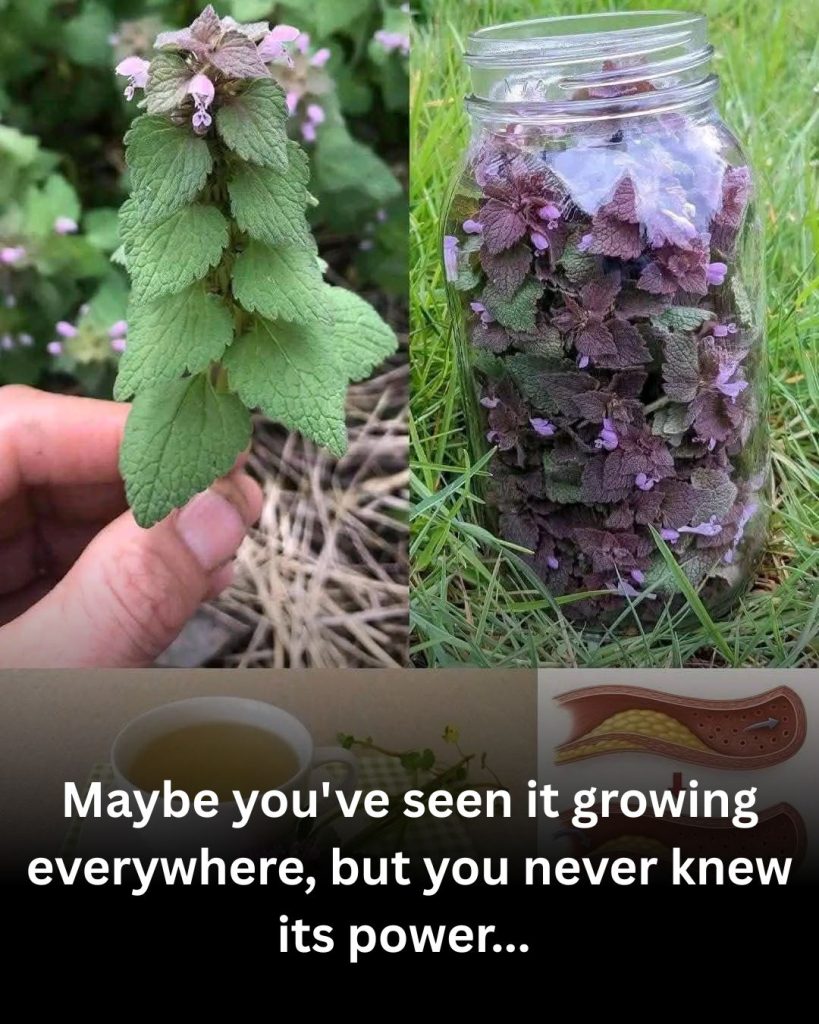

Often seen creeping along garden edges and open fields, purple dead nettle is frequently dismissed as a simple weed. However, this wild plant holds surprising potential for those looking for natural ways to support circulatory health and cholesterol balance. As a member of the mint family, purple dead nettle contains antioxidants, anti-inflammatory compounds, and valuable micronutrients that may contribute to cardiovascular wellness.
Let’s explore how this modest herb may help support blood flow, vessel health, and cholesterol regulation—and how it can be used in simple, practical ways.
Top Benefits of Purple Dead Nettle for Heart and Circulatory Health
1. Promotes Healthy Blood Circulation
Purple dead nettle may help encourage smoother blood flow by supporting the body’s natural anti-inflammatory processes and helping blood vessels remain flexible and responsive. Healthy circulation supports oxygen delivery throughout the body and reduces strain on the heart.
2. Supports Cholesterol Balance
While it is not a medication, purple dead nettle may assist in maintaining balanced cholesterol levels due to its antioxidant content. These compounds help reduce oxidative stress in blood vessels, which is one factor associated with cholesterol buildup and arterial stiffness.
3. Helps Protect Blood Vessels
This plant provides flavonoids and polyphenols known for supporting vascular health. These compounds help protect vessel walls, maintain elasticity, and support normal blood pressure—important factors for long-term heart health.
4. Fights Oxidative Stress
Purple dead nettle contains antioxidants such as quercetin and vitamin C, which help neutralize free radicals. Reducing oxidative stress may protect the circulatory system from damage linked to poor diet, stress, and environmental factors.
5. Provides Gentle Anti-Inflammatory Support
Chronic inflammation plays a role in many cardiovascular concerns. Purple dead nettle’s natural anti-inflammatory properties may help calm internal irritation and support a healthier cardiovascular environment over time.