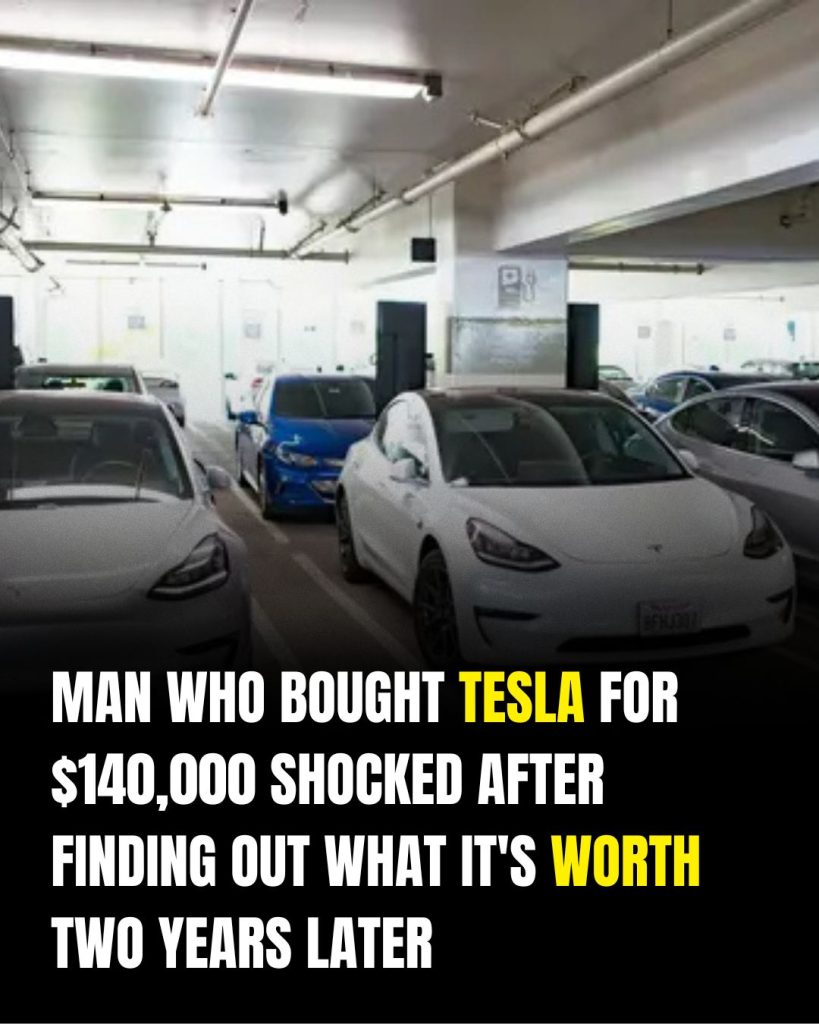

A U.S. car enthusiast who paid about $140,000 for a Tesla in 2022 was surprised to learn how much the vehicle had depreciated just two years later, sparking fresh discussion online about electric vehicle resale values.
The owner, Kyle Conner — a well-known automotive YouTuber behind Out of Spec Reviews — shared details of his experience in 2024 while exploring options to sell his car. Conner had originally purchased a high-end Tesla Model S, expecting it to hold value similarly to other premium performance sedans.
The topic gained traction after TikTok creator Chris Pearce (@thechristopherpearce) broke down Conner’s numbers in a video about vehicle depreciation. According to Pearce, Conner’s Tesla had around 37,000 miles on the odometer when he sought an appraisal from Tesla.
The trade-in offer from Tesla reportedly came in at about $46,400. Compared to the original purchase price of roughly $140,000, that represents a drop of around $94,000, or about 67% of the car’s initial value.
Pearce noted that a manufacturer trade-in quote can sometimes be on the low side. Private sales or third-party buyers may offer more depending on market conditions and vehicle demand. Even so, he claimed that major appraisal sources such as Edmunds and Consumer Reports would not value the car anywhere near its original price, with top estimates still far below what Conner paid.
To illustrate the contrast, Pearce compared the Tesla’s depreciation to that of a similarly priced gasoline performance sedan, the BMW M5 CS. That model also launched around 2022 at roughly $140,000. According to Pearce, many listings still show the BMW selling close to its original price, suggesting far slower depreciation — though such comparisons can vary based on production numbers, collector demand, and brand perception.
Conner later reacted on social media, arguing that the attention focused too heavily on depreciation rather than his broader reviews. He wrote that he had posted very positive content about other Tesla models but that a single post mentioning depreciation drew outsized media coverage. He suggested this reflected a bias in how Tesla stories are picked up and shared.
Vehicle depreciation is influenced by many factors: supply and demand, incentives on new models, technology changes, mileage, and overall market trends. Electric vehicles, in particular, can be affected by rapid improvements in battery tech and price adjustments on new cars, which may pressure used values.
While Conner’s case is just one example, it has fueled conversation among buyers about resale expectations — especially for high-end EVs. For shoppers, experts often recommend considering total ownership cost, not just the purchase price, when evaluating any new car.