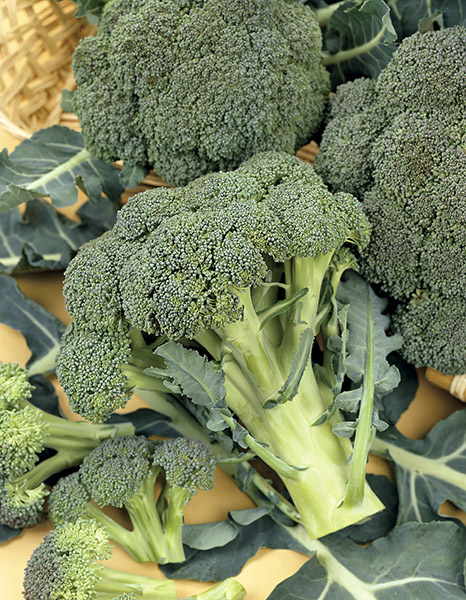

Broccoli has earned its reputation as one of the most nutrient-rich vegetables — and for good reason.
It provides vitamins, minerals, fiber, and antioxidants that can support immune function, digestion, and overall health.
But as with many nutrient-dense foods, more isn’t always better. Eating broccoli in very large amounts or in ways that don’t suit your body can sometimes lead to discomfort or complications for certain people. Understanding how your body responds — and how to prepare it well — can help you enjoy the benefits while minimizing downsides.
What Happens When You Eat Too Much Broccoli
1. It Can Cause Gas and Bloating
Broccoli contains raffinose, a complex carbohydrate that many people don’t fully digest.
When it reaches the large intestine, gut bacteria break it down, which can produce gas. This may lead to bloating, abdominal discomfort, and increased flatulence.
👉 Tip: If you have a sensitive digestive system or conditions like IBS, keep portions moderate and cook broccoli thoroughly. Steaming or boiling can help break down compounds that may be harder to digest.
2. It May Affect Thyroid Function in Some People
As a cruciferous vegetable (like cabbage, kale, and cauliflower), broccoli contains naturally occurring compounds sometimes referred to as goitrogens. In large amounts — especially when eaten raw — these compounds may interfere with how the thyroid uses iodine.
For people who regularly consume large quantities of raw broccoli, this may be more relevant if iodine intake is already low or if thyroid function is already a concern.
👉 Tip: Cooking broccoli (steaming, blanching, or sautéing) can significantly reduce these compounds, making it a more thyroid-friendly option for many people.
3. It Can Interact With Blood-Thinning Medications
Broccoli is high in vitamin K, a nutrient involved in normal blood clotting.
For most people, that’s a positive. But for individuals taking anticoagulants such as warfarin, large changes in vitamin K intake can affect how the medication works.
👉 Tip: If you use blood thinners, you don’t necessarily need to avoid broccoli — but aim for consistent intake and discuss major dietary changes with your healthcare provider.
4. Too Much Fiber May Affect Mineral Absorption
Fiber supports digestion, but extremely high fiber intake can sometimes make it harder for the body to absorb certain minerals. Broccoli is fiber-rich, and eating very large amounts (especially raw) may reduce absorption of minerals such as iron, zinc, and calcium over time, particularly if the overall diet lacks variety.
👉 Tip: Around one cup (about 90–100 grams) a day is a reasonable amount for many people. A varied diet — with different vegetables and adequate protein — helps support balanced nutrition.
5. Raw Broccoli Can Trigger Digestive Discomfort for Some
Raw broccoli contains sulfur-containing compounds that contribute to both its distinct taste and many of its potential health benefits. For some people, these compounds can also cause digestive discomfort and stronger odors as they’re broken down in the gut.
👉 Tip: Lightly steaming or blanching broccoli for 3–5 minutes softens the fiber, keeps most nutrients, and often makes it easier to digest.
✅ How to Eat Broccoli Safely and Effectively
Cook it lightly: Steaming or blanching helps preserve key nutrients while making it easier to digest.
Avoid overdoing it: For many adults, a few servings per week can be a balanced choice.
Pair it with iodine-rich foods: Foods like fish, eggs, and seaweed can support adequate iodine intake for people who need it.
Chew thoroughly: Better chewing supports digestion and may reduce gas.
Choose cooked broccoli if you have thyroid or digestive sensitivities — it’s usually gentler while still nutritious.
🧒 Should Children Eat Broccoli?
Yes — children can benefit from broccoli, especially when served in moderate, well-cooked portions.
👉 Why it can be helpful:
Broccoli provides vitamin C, fiber, folate, and other nutrients that can support:
Immune function 🛡️
Bone and dental health 🦴
Healthy digestion 🌿
Normal growth and development 🧠
⚠️ Caution: Raw broccoli can be harder for young children to chew and digest, which may cause gas or stomach discomfort.
➡️ Best way to serve: Steam or boil until soft and tender, and offer small portions a few times a week as part of balanced meals.
🌱 The Bottom Line
Broccoli isn’t “dangerous” — it’s one of the most nutrient-dense vegetables available.
However, portion size and preparation matter. Eating very large amounts of raw broccoli or consuming it in excessive quantities daily can contribute to digestive discomfort, may be a concern for some thyroid conditions, or may interact with certain medications.
When enjoyed in reasonable portions — especially lightly cooked — broccoli can support:
💪 Immune health
❤️ Heart and vascular health
🌿 Digestive balance
🧠 Overall cellular health
In short: Broccoli is a highly nutritious vegetable — and with moderate portions and smart preparation, you can get the benefits while avoiding unnecessary discomfort.