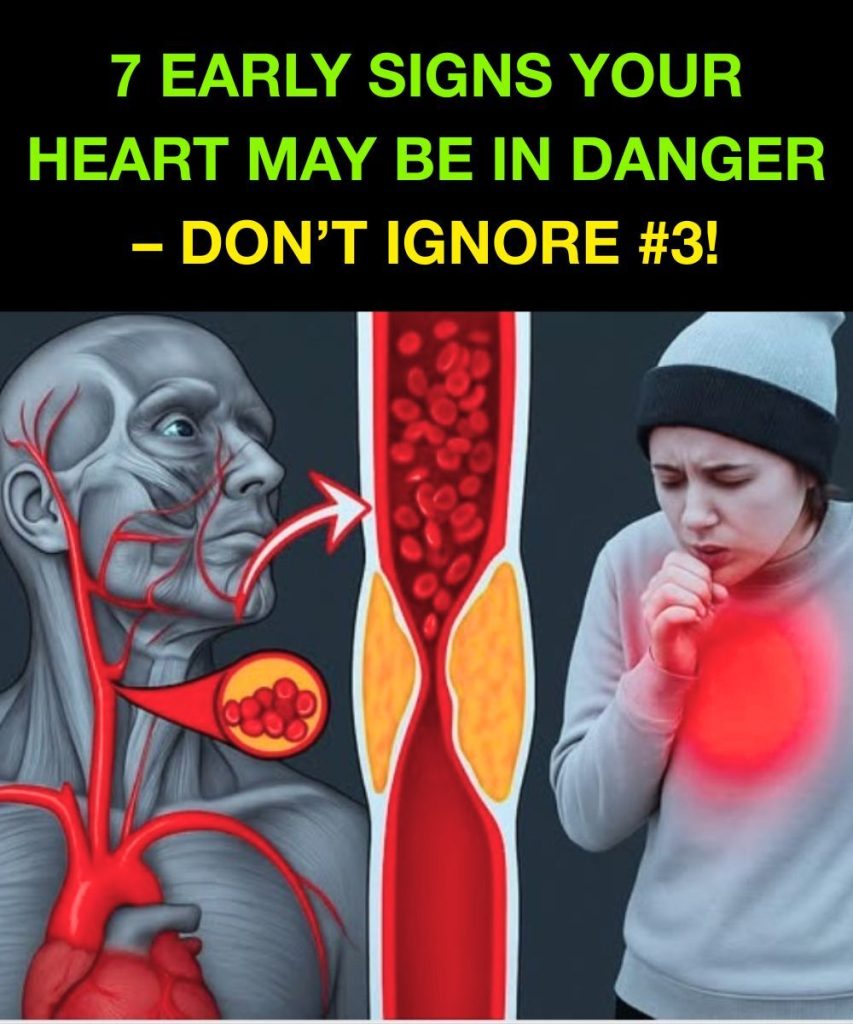

Your heart works around the clock to keep your body alive, yet many people overlook the early warning signs that something may be wrong. Heart problems do not always begin with sudden, dramatic symptoms. In many cases, the body sends smaller signals first. Paying attention to these signs and seeking medical advice early can make a major difference.
1. Chest Discomfort
One of the most common early warning signs of heart trouble is chest discomfort. This may feel like pressure, tightness, fullness, or pain in the chest. Some people describe it as a heavy weight pressing down. It may come and go, or last for several minutes. While not all chest pain means a heart attack, it should never be ignored.
2. Shortness of Breath
If you find yourself feeling out of breath after light activity or even while resting, your heart could be struggling to pump blood effectively. Shortness of breath may happen on its own or together with chest discomfort. Many people dismiss it as tiredness, aging, or being out of shape, but it can be an early signal that the heart needs attention.
3. Unusual Fatigue
Feeling extremely tired for no clear reason can also be linked to heart problems. This is especially important if the fatigue is new, persistent, or much worse than normal. When the heart is not pumping properly, the body may not get enough oxygen-rich blood, leaving you feeling weak and drained even after enough rest.
4. Pain in the Arm, Back, Neck, or Jaw
Heart-related pain does not always stay in the chest. It can spread to other areas, especially the left arm, shoulders, back, neck, or jaw. In some people, these unusual aches may appear before any chest pain. Because they do not seem directly connected to the heart, they are often ignored or mistaken for muscle strain.
5. Dizziness or Lightheadedness
Feeling dizzy, faint, or lightheaded may happen when blood flow to the brain is reduced. This can be related to heart rhythm problems, low blood pressure, or other cardiovascular issues. If dizziness happens often, especially along with chest discomfort or shortness of breath, it should be taken seriously.
6. Swelling in the Legs, Ankles, or Feet
When the heart cannot pump blood efficiently, fluid may build up in the body. This often causes swelling in the legs, ankles, and feet. Some people notice their shoes feeling tighter or their socks leaving deep marks. Swelling can be a warning sign of heart failure or other circulatory problems.
7. Irregular Heartbeat
A heart that suddenly races, flutters, skips beats, or feels like it is pounding may be signaling a problem. While occasional palpitations can happen from stress or caffeine, frequent or unusual changes in heartbeat should not be ignored. In some cases, an irregular rhythm can increase the risk of serious complications.
Final Thoughts
Your body often gives warnings before a major heart event happens. Chest discomfort, shortness of breath, unusual fatigue, pain spreading to other areas, dizziness, swelling, and irregular heartbeat can all be signs that your heart may be in danger. Do not brush them aside or hope they will simply go away.
If you notice any of these symptoms, especially if they are sudden, severe, or worsening, seek medical attention as soon as possible. Listening to your body could help protect your health and even save your life.