
Olive leaves have been valued for generations in traditional wellness practices. While olives and olive oil are widely known for their place in a balanced diet, olive leaves have also attracted interest for their natural plant compounds and potential wellness-supporting properties.
Rich in antioxidants and beneficial phytonutrients, olive leaves are commonly used in teas, extracts, and supplements. Many people include them in their routines as part of a healthy lifestyle focused on heart health, immune support, and general well-being.
In this article, you will learn about the potential benefits of olive leaves, common ways to use them, and important safety considerations.
What Are Olive Leaves?
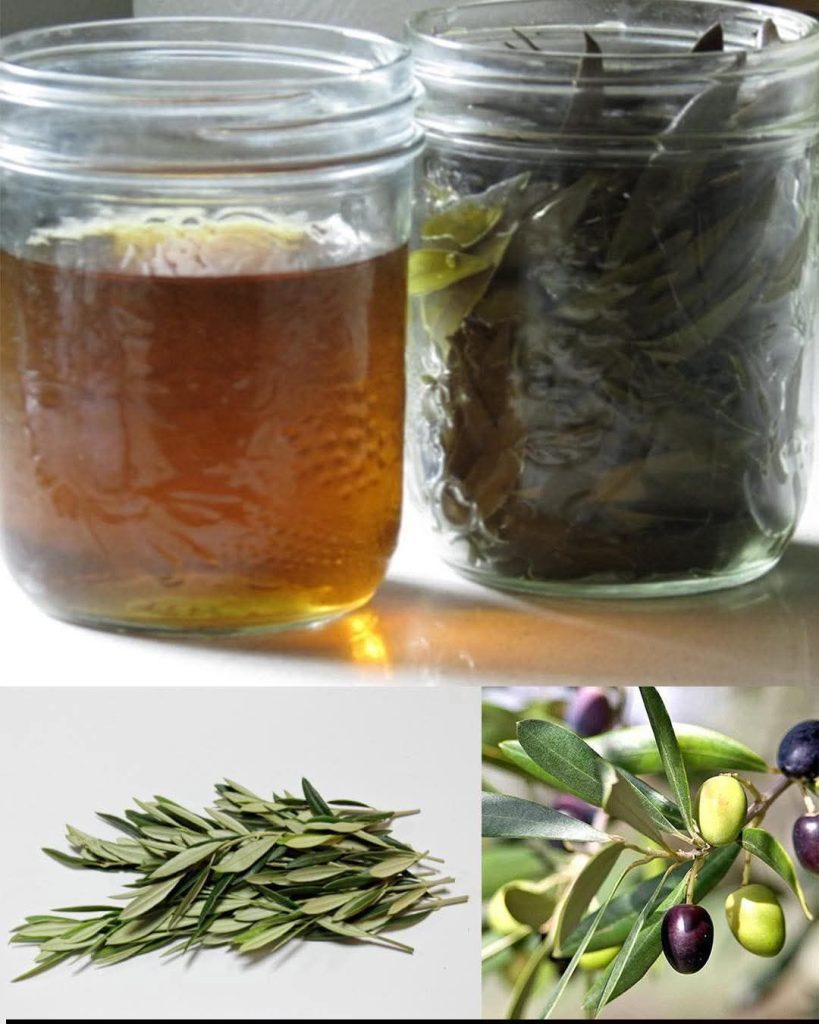
Olive leaves come from the olive tree (Olea europaea), a plant long associated with Mediterranean traditions. These leaves contain several natural compounds, including polyphenols such as oleuropein, which is often highlighted in discussions about olive leaf extract.
Because of their antioxidant profile, olive leaves are often used in herbal wellness products and natural health routines.
Potential Benefits of Olive Leaves
Olive leaves are not a cure or treatment for any disease, but they may offer supportive benefits when used as part of a balanced lifestyle.
1. Rich in Antioxidants
One of the main reasons olive leaves are valued is their antioxidant content. Antioxidants help protect cells from oxidative stress caused by free radicals. This process plays an important role in overall wellness and healthy aging.
2. May Support Heart Health
Olive leaves are often used in wellness routines that focus on cardiovascular support. Some research has explored whether olive leaf compounds may help support healthy circulation and normal blood pressure levels already within a healthy range.
As part of a heart-conscious lifestyle, olive leaves may complement other healthy habits such as regular exercise, a balanced diet, and stress management.
3. May Help Support a Healthy Inflammatory Response
Olive leaves contain plant compounds that may help support the body’s normal inflammatory response. This is one reason they are often included in herbal wellness products designed to promote comfort and daily balance.
4. May Support Immune Wellness
Olive leaf tea and olive leaf extract are often used during seasonal changes as part of a general immune-support routine. Their natural compounds have made them popular among people looking for plant-based wellness options.
5. May Support Skin Wellness
Thanks to their antioxidant content, olive leaves are sometimes used in skincare products and herbal preparations. They may help support healthy-looking skin and may be included in topical formulas meant to soothe and refresh the skin.
6. May Support Healthy Metabolism
Some people use olive leaf supplements as part of a broader wellness plan that includes healthy eating and physical activity. Olive leaf products are sometimes discussed in relation to metabolic balance and overall vitality.
7. May Help Support Balanced Blood Sugar Already in the Normal Range
Olive leaf extract has been studied for its possible role in supporting healthy glucose metabolism. However, it should never replace medical care, medication, or professional guidance for people with diabetes or other metabolic conditions.
8. May Support Cognitive Wellness
Because oxidative stress can affect many parts of the body, including the brain, antioxidant-rich plants such as olive leaves are often included in routines focused on healthy aging and mental clarity.
9. Contains Natural Plant Compounds with Protective Properties
Olive leaves contain naturally occurring compounds that have been studied in laboratory settings for their protective properties. This has contributed to their popularity in herbal and traditional wellness practices.
10. May Support Healthy Blood Pressure Levels
Olive leaves are sometimes used by people who want to support healthy circulation and blood vessel function. Still, anyone with blood pressure concerns should speak with a healthcare professional before using herbal supplements.
11. May Support Digestive Wellness
Some herbal enthusiasts use olive leaf tea as part of a gentle digestive-support routine. When paired with a balanced diet rich in fiber and hydration, it may help support overall digestive comfort.
12. May Support Joint Comfort
Because olive leaves contain antioxidant and plant-based compounds, they are sometimes included in wellness routines focused on maintaining comfort and mobility as part of an active lifestyle.
How to Use Olive Leaves
There are several simple ways to add olive leaves to your wellness routine.
Olive Leaf Tea
Olive leaf tea is one of the most traditional ways to use the plant. To prepare it, steep dried olive leaves in hot water for 10 to 15 minutes. Many people drink 1 to 2 cups per day as part of a balanced lifestyle.
You can add lemon or a small amount of honey for flavor.
Olive Leaf Extract
Olive leaf extract is commonly sold in liquid or capsule form. This can be a convenient option for people who want a more concentrated product. Always follow the label instructions and use only as directed.
Topical Products
Some creams, serums, and lotions include olive leaf extract in skincare formulas. These products are often used to support skin hydration and comfort.
Culinary Use
In some traditions, olive leaves may be used in broths or herbal infusions. While not as common as olive oil, they may still be included in certain recipes for flavor and tradition.
How to Make Olive Leaf Extract at Home
If you enjoy DIY herbal projects, olive leaf extract can be prepared at home. Keep in mind that homemade preparations are not standardized and may vary in strength.
Ingredients
- 1 cup fresh olive leaves or 1/2 cup dried olive leaves
- High-proof food-safe alcohol, such as vodka
- 1 clean glass jar with a tight lid
- 1 dark glass bottle for storage
Instructions
- Wash the fresh olive leaves thoroughly and pat them dry. If using dried leaves, make sure they are clean and high quality.
- Chop the leaves into smaller pieces.
- Place the leaves in a clean glass jar until it is about halfway full.
- Pour in the alcohol until the leaves are fully covered.
- Seal the jar tightly and shake gently.
- Store the jar in a cool, dark place for 4 to 6 weeks. Shake it lightly once a day.
- After steeping, strain the liquid through a fine strainer or cheesecloth.
- Transfer the finished extract to a dark glass bottle and label it with the date.
Suggested Use
Start with a small amount only, and use it cautiously. Because herbal extracts can interact with medications or individual health conditions, it is best to speak with a qualified healthcare professional before use.
Safety Considerations
Although olive leaves are natural, they are not suitable for everyone.
Keep these points in mind:
- Olive leaf products may interact with certain medications, including those for blood pressure or blood sugar.
- Pregnant or breastfeeding individuals should consult a healthcare professional before using herbal supplements.
- Anyone with an existing medical condition should get medical advice before adding olive leaf extract to their routine.
- Herbal products should support, not replace, professional medical care.
Final Thoughts
Olive leaves have a long history in traditional wellness and remain popular today for their antioxidant content and potential supportive benefits. Whether enjoyed as tea, extract, or part of a broader wellness routine, olive leaves may be a useful addition to healthy daily habits.
For best results, use olive leaf products responsibly and as part of a balanced lifestyle that includes nutritious food, exercise, sleep, and proper medical care when needed.
Disclaimer
This article is for informational purposes only and is not intended as medical advice. Olive leaves and olive leaf extract are not intended to diagnose, treat, cure, or prevent any disease. Always consult a qualified healthcare professional before starting any new supplement, especially if you take medication, are pregnant, are breastfeeding, or have an existing health condition.