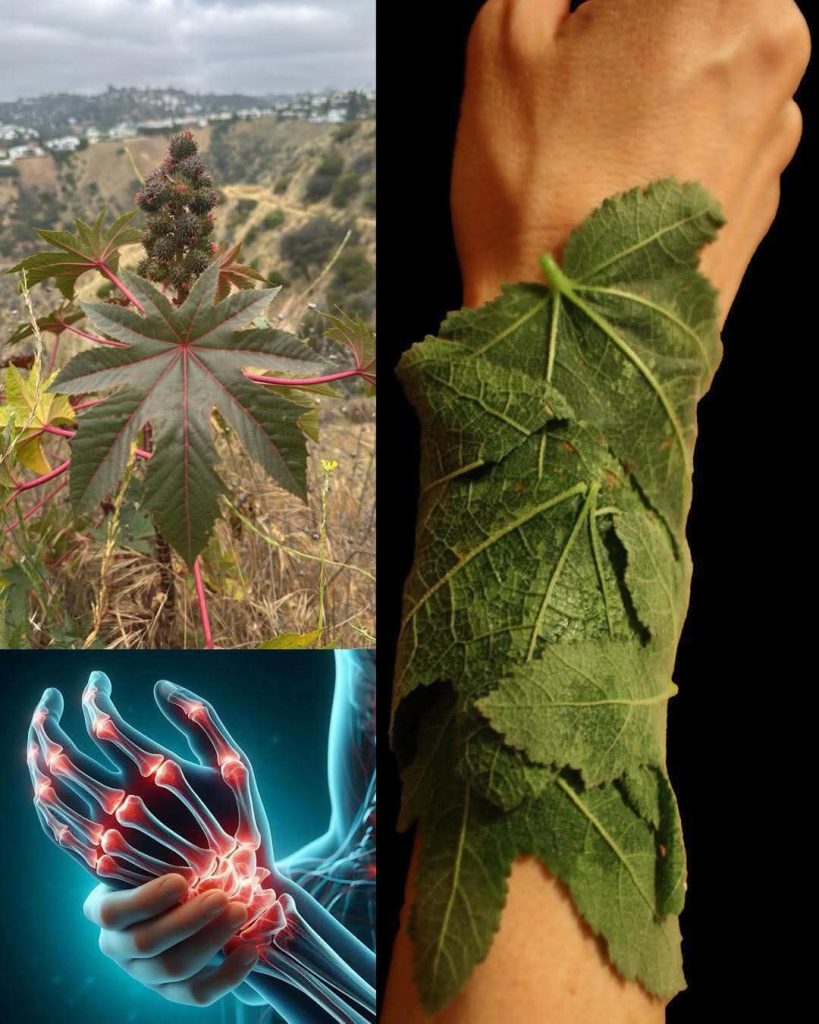

Castor leaves are often less well known than castor oil, but they have a long history in traditional practices. In many cultures, these large green leaves have been used externally in home wellness routines, especially in warm compresses and poultices.
Although castor leaves are sometimes discussed for a wide range of traditional uses, it is important to approach them carefully. Natural does not always mean risk-free, and castor leaves should be used responsibly.
In this article, we’ll explore traditional uses of castor leaves, their potential supportive properties, and a simple external castor leaf compress that some people use for comfort.
What Are Castor Leaves?
Castor leaves come from the castor plant (Ricinus communis). This plant is known for its distinctive broad leaves and for the oil made from its seeds. While castor oil is widely used in beauty and personal care products, the leaves themselves have also been used in traditional remedies, mainly for external applications.
Because the castor plant contains naturally active compounds, safety matters. Castor leaves are best used with caution and should not be consumed unless under professional supervision.
Traditional Uses of Castor Leaves
Castor leaves have been used in folk and herbal traditions for generations. While these uses are part of traditional knowledge, they should not be seen as medical treatments or guaranteed remedies.
1. Used in Warm Compresses for Comfort
Warm castor leaves are sometimes applied externally to areas of tension or discomfort as part of traditional self-care practices.
2. Traditionally Used to Support Relaxation in Sore Areas
Some people use castor leaf poultices after long days or physical strain because the warmth of the compress may feel soothing.
3. Sometimes Included in Traditional Wellness Routines
In some traditions, castor leaves are part of broader herbal routines focused on comfort and daily body care.
4. Used Externally for Skin Comfort
Castor leaves have sometimes been applied in folk remedies to areas of minor skin discomfort, always with caution and only on intact skin unless directed by a professional.
5. Often Used in Herbal Steam Practices
Some traditional practices use leaves in steam preparations for their herbal aroma, though this should be done carefully and not as a substitute for medical care.
6. Sometimes Used in Home Care Rituals for Swelling and Heaviness
Warm compresses are commonly used in many traditions as a comforting way to support rest and relaxation in tired areas of the body.
7. Valued in Traditional Plant-Based Self-Care
Castor leaves remain of interest to people who appreciate traditional wellness methods and natural home rituals.
8. Sometimes Used Alongside Massage or Rest
In some home practices, warm leaves are applied before or after rest, massage, or other comfort-focused routines.
9. Connected to Traditional Hair and Scalp Practices
While castor oil is more common for hair care, some traditions also mention the leaves in broader plant-based beauty routines.
10. Appreciated for Their Role in Folk Remedies
Castor leaves continue to be discussed in herbal traditions because of their long-standing place in natural care practices.
Simple Castor Leaf Compress for External Use
One of the most common traditional uses of castor leaves is as a warm external compress.
Ingredients
- 3 to 4 fresh castor leaves
- 1 clean cotton cloth or bandage
- Warm water
How to Prepare and Use
- Wash the castor leaves thoroughly.
- Warm them gently by dipping them in hot water for 1 to 2 minutes or steaming them lightly.
- Place the warm leaves over the area where you want a comforting compress.
- Secure them with a clean cotton cloth or bandage.
- Leave them in place for about 30 to 60 minutes.
- Remove and discard the leaves after use.
Helpful Precautions
When using castor leaves, safety should come first.
- Always test a small area of skin first to check for sensitivity.
- Use castor leaves externally unless advised otherwise by a qualified professional.
- Do not apply to broken or irritated skin without medical guidance.
- Wash your hands after handling the leaves.
- Stop use if redness, itching, or discomfort appears.
Important Safety Note
The castor plant contains compounds that can be harmful if used improperly. Raw castor leaves should not be consumed casually, and homemade internal remedies should be avoided unless supervised by a qualified healthcare professional or trained herbal expert.
Natural remedies should support wellness, not replace medical advice or prescribed treatment.
Final Thoughts
Castor leaves have a long history in traditional wellness practices, especially in external applications such as warm compresses. While they remain a part of folk remedies in many cultures, they should be used with care and realistic expectations.
If you enjoy traditional herbal self-care, castor leaves may be of interest as part of a cautious, external-use routine. For any ongoing pain, swelling, skin concern, or health condition, professional medical advice is always the safest choice.
Disclaimer
This article is for informational purposes only and is not intended as medical advice. Castor leaves are not intended to diagnose, treat, cure, or prevent any disease. Because the castor plant contains active compounds, improper use may be harmful. Always consult a qualified healthcare professional before using herbal remedies, especially if you are pregnant, breastfeeding, taking medication, or managing a health condition.