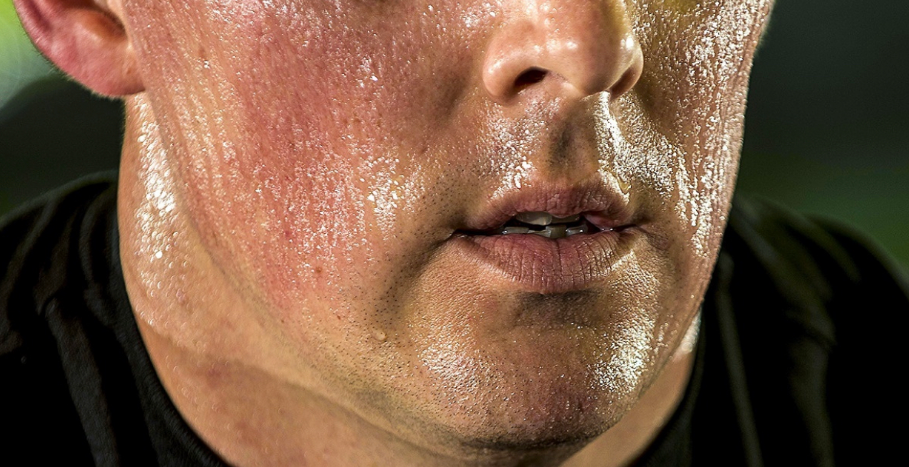

Waking up in the middle of the night and finding your pillow, sheets, or clothes soaked in sweat can be uncomfortable and concerning. In some cases, it may simply happen because the room is too warm or the blankets are too heavy. That is usually normal.
But if your bedroom temperature feels comfortable and you still wake up drenched in sweat again and again, it may be worth paying attention. Night sweats are not linked to one single condition. Instead, they can sometimes be associated with several underlying health issues.
Here are five possible causes that may be worth checking with a healthcare professional.
1. Heart-Related Problems
As people get older, the risk of cardiovascular problems tends to increase. In some cases, repeated night sweating may appear along with other signs related to heart health.
Even if you have not been diagnosed with a heart condition, frequent night sweats that continue for many nights may be a reason to speak with a doctor and consider a medical evaluation.
2. Low Blood Sugar
Low blood sugar, also known as hypoglycemia, can sometimes cause sweating during the night. This may happen more often in people with diabetes, especially if blood sugar levels drop while sleeping.
Night sweats linked to blood sugar changes may also come with shakiness, weakness, or feeling unwell after waking up.
3. An Ongoing Infection
If the body is fighting an infection, night sweating can sometimes appear as part of the body’s response. In some cases, the sweating may continue for several days or even longer, even after other symptoms seem to improve.
That is why persistent night sweats may sometimes be a sign that the body is still dealing with an underlying illness.
4. Thyroid Problems
Night sweating can also be seen in people with an overactive thyroid. When the thyroid is producing too much hormone, the body may feel warmer than usual and sweat more, even during sleep.
Other signs may include nervousness, weight changes, a fast heartbeat, or trouble sleeping.
5. Medication Side Effects or Immune System Disorders
Some medications may trigger night sweats as a side effect. These can include certain medicines used for mood disorders, diabetes, and other conditions.
In other cases, problems involving the immune system may also play a role. Autoimmune disorders happen when the immune system reacts abnormally and may lead to inflammation and other symptoms, including excessive sweating at night.
Final Thoughts
Night sweats do not always mean something serious, especially if they happen once in a while because of heat or heavy bedding. However, when they happen often and without an obvious reason, they should not be ignored.
Because repeated night sweating can be linked to several different health problems, it is a good idea to speak with a healthcare professional if the issue continues. A proper evaluation can help identify the cause and guide the next steps.