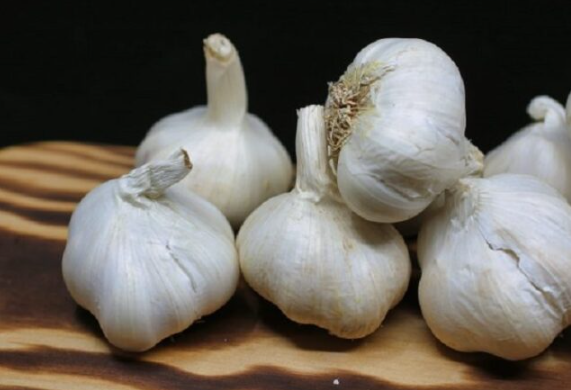

Garlic is widely known as one of the healthiest foods and has been valued for centuries for its many natural health-supporting properties. It contains a variety of active compounds along with vitamins and minerals such as vitamin C, vitamin A, B vitamins, calcium, potassium, iron, selenium, sulfur, and plant-based compounds that have made it popular in traditional wellness practices.
Even though garlic can be a beneficial part of many diets, it may not be suitable for everyone. There are certain groups of people who should be more careful with garlic consumption, especially in large amounts.
1. People Preparing for Surgery
Those who are scheduled for surgery are often advised to avoid garlic in the weeks leading up to the procedure. This is because garlic may affect blood clotting, which could increase the risk of bleeding during or after surgery. For this reason, many doctors recommend limiting or avoiding it for about two weeks beforehand.
2. People With Low Blood Pressure
Garlic is often associated with helping support healthy blood pressure levels. However, for people who already have naturally low blood pressure, consuming too much garlic may lower it even further. This could lead to dizziness, weakness, or discomfort in some individuals.
3. People With Certain Liver Problems
Although garlic is known for its antibacterial and antiviral properties, some individuals with liver-related conditions may need to be cautious. In some cases, garlic may irritate the stomach and digestive tract, which could interfere with digestion and make certain symptoms feel worse. Anyone with liver concerns should speak with a healthcare professional before making significant changes to their diet.
4. People With Eye Sensitivities or Eye Conditions
Some traditional health systems suggest that excessive garlic intake over a long period may not be ideal for people with certain eye problems or overall physical weakness. While these claims are mostly based on traditional beliefs rather than modern medical consensus, individuals with ongoing eye conditions may still prefer to discuss their diet with a doctor to ensure it is appropriate for their needs.
Garlic can be a valuable food when enjoyed in moderation, but it is not the right choice for everyone. If you have a medical condition, take medication, or are preparing for surgery, it is always wise to seek medical advice before increasing your garlic intake.