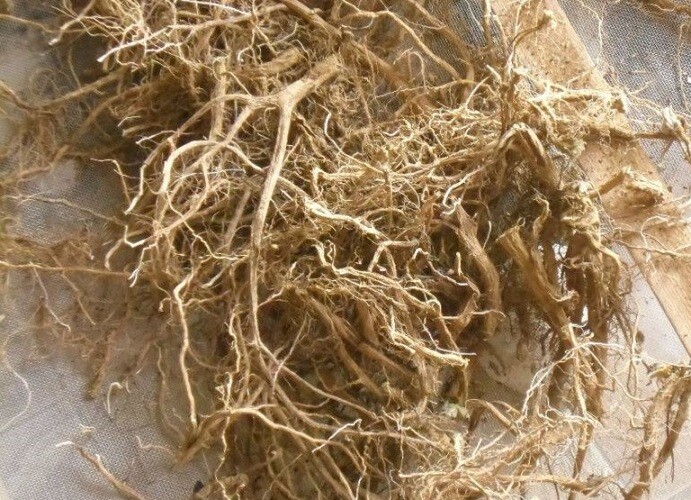

Mullein, known scientifically as Verbascum thapsus, is a tall plant often recognized by its soft, velvety leaves and bright yellow flowers. Many people are familiar with mullein leaves and flowers, especially in herbal teas, but the root of the plant has also been used in traditional herbal practices for many years.
Although mullein root is less commonly discussed, herbalists have valued it for its potential support in areas such as muscle comfort, nerve wellness, urinary health, and general body balance. Like all herbal remedies, it should be used carefully and responsibly.
What Is Mullein Root?
Mullein is a biennial plant, meaning it grows over a two-year life cycle. During the first year, the plant usually develops a low rosette of soft leaves while storing energy in the root. In the second year, it sends up a tall flowering stalk.
The root is often harvested during the first year or early in the second year before flowering begins. In traditional herbal use, this is the time when the root is believed to contain its strongest qualities.
Traditional Benefits of Mullein Root
1. Support for Muscle and Joint Comfort
Mullein root has traditionally been used by herbalists to support comfort in the body, especially for occasional muscle tension, back discomfort, and joint stiffness. Some people use it as part of a natural wellness routine when dealing with physical strain or soreness.
2. Nerve and Back Support
One of the most well-known traditional uses of mullein root is for nerve-related discomfort. Herbal practitioners have sometimes recommended mullein root preparations for people experiencing tension around the back, hips, or legs.
It is important to understand that this does not mean mullein root can correct spinal problems or replace medical treatment. However, it may be used traditionally as supportive care for general nerve and muscle relaxation.
3. Urinary Tract Support
Mullein root is also known in herbal tradition for its mild diuretic properties, meaning it may help the body release excess fluid. Because of this, it has been used to support urinary tract and kidney function.
Anyone with kidney disease, urinary problems, or who takes medication should speak with a healthcare provider before using herbal diuretics.
4. Lymphatic System Support
Some herbalists use mullein root to support the lymphatic system, which plays a role in fluid balance and immune function. While more scientific research is needed, this traditional use is one reason mullein root remains popular among herbal remedy enthusiasts.
5. Anti-Inflammatory Traditional Use
Mullein root has been used in traditional preparations to help calm areas of irritation or swelling. Some people prepare it as a poultice and apply it externally to areas of discomfort.
This should only be done on clean, unbroken skin unless advised by a qualified professional.
6. Skin and Wound Care Traditions
In some herbal traditions, mullein root has been used externally for skin comfort. Its soothing qualities make it a common ingredient in homemade poultices. However, deep wounds, infections, burns, or serious skin issues should always be treated by a medical professional.
How Mullein Root Is Commonly Used
Mullein Root Tea or Decoction
Because roots are tougher than leaves or flowers, they are usually simmered rather than simply steeped.
To prepare a basic decoction, dried mullein root is simmered in water for about 20 to 30 minutes. The liquid is then strained and served warm.
Mullein Root Tincture
A tincture is made by soaking chopped fresh or dried mullein root in alcohol for several weeks. This method is commonly used by herbalists because it creates a concentrated preparation.
Dosage can vary, so it is best to follow guidance from a qualified herbalist or healthcare professional.
Poultice
A poultice is made by softening or boiling the root, then mashing it into a paste and applying it externally. This traditional method is usually used for localized discomfort.
Capsules
Some people prefer dried mullein root in capsule form because it is simple and avoids the strong herbal taste. Always follow the instructions on the product label and choose reputable brands.
Precautions Before Using Mullein Root
Mullein root is generally considered safe when used appropriately, but it may not be suitable for everyone. Pregnant or breastfeeding women, people taking medications, and those with kidney, liver, or chronic health conditions should speak with a healthcare provider before using it.
It is also important to buy mullein root from a trusted supplier. Wild plants can be contaminated with pesticides, heavy metals, or mistaken for other plants if not properly identified.
Final Thoughts
Mullein root is one of the lesser-known parts of the mullein plant, but it has a long history in traditional herbal practices. From muscle comfort to urinary support and external poultices, it remains a valued herb for people interested in natural wellness.
Still, natural does not always mean risk-free. Mullein root should be used with care, especially if you have a medical condition or take prescription medication.
Disclaimer: This article is for informational purposes only and does not replace professional medical advice, diagnosis, or treatment. Always consult a qualified healthcare provider before using herbal remedies.