
Broadleaf plantain, known scientifically as Plantago major, is a common wild herb found in lawns, gardens, roadsides, and fields. Although many people think of it as a weed, this humble plant has been used for generations in traditional herbal practices.
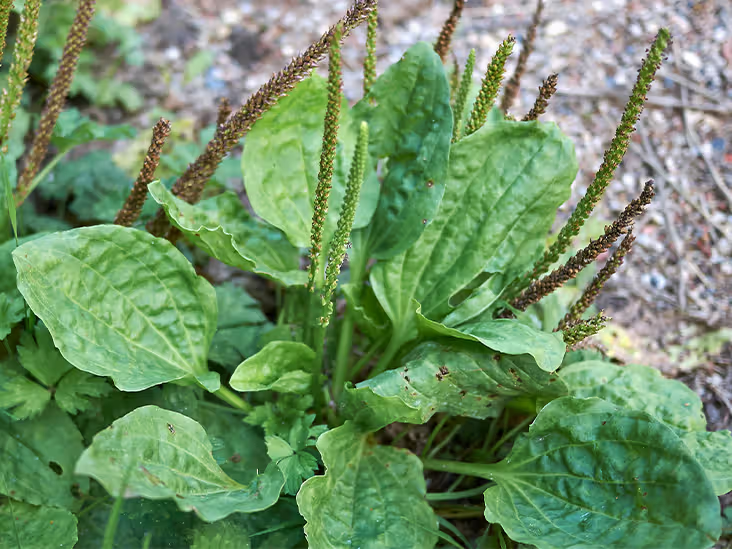
With its wide green leaves and strong growing habit, broadleaf plantain is easy to recognize. It is related to ribwort plantain (Plantago lanceolata), but broadleaf plantain has wider, rounder leaves. In traditional wellness routines, the leaves have been used in teas, poultices, syrups, and herbal preparations.
While broadleaf plantain has a long history of use, it should not replace professional medical care. It may support general wellness, but serious symptoms, infections, wounds, or chronic conditions should always be discussed with a qualified healthcare provider.
What Makes Broadleaf Plantain Valuable?
Broadleaf plantain contains natural plant compounds such as flavonoids, tannins, mucilage, iridoids, and minerals. These compounds are one reason the plant has been valued in traditional herbal medicine.
Its leaves are often used for soothing, calming, and protective purposes, especially for the skin, throat, and digestive system.
Traditional Benefits of Broadleaf Plantain
1. Soothing Support for the Throat
Broadleaf plantain has traditionally been used in teas and syrups to calm the throat. Its mucilage content gives it a gentle, soothing quality, which is why it is often included in homemade herbal preparations for seasonal discomfort.
2. Respiratory Comfort
In folk medicine, plantain leaves have been used to support easier breathing and help with mucus-related discomfort. Herbal teas made from plantain are commonly used during colder seasons as part of a natural wellness routine.
3. Digestive Support
Because of its soothing properties, broadleaf plantain has been used traditionally to support the digestive tract. Some herbalists use it for occasional stomach irritation, mild digestive discomfort, or to support gut comfort.
4. Skin Care and Minor Irritations
One of the most popular traditional uses of broadleaf plantain is as a fresh leaf poultice. The leaves are often crushed and applied externally to minor skin irritations, insect bites, or small scratches.
This does not replace proper wound care. Deep cuts, infected wounds, burns, or serious skin problems should be treated by a medical professional.
5. Natural Astringent Properties
Broadleaf plantain contains tannins, which have astringent qualities. This means it may help tighten and tone tissue when used externally. Because of this, it has been used in traditional skin preparations.
6. Antioxidant Support
Like many green herbs, plantain contains antioxidants. Antioxidants help protect the body from oxidative stress when included as part of a balanced diet and healthy lifestyle.
7. General Immune Wellness
Broadleaf plantain is sometimes used in herbal routines during seasonal changes. While it is not a cure for illness, its natural compounds may support overall wellness when combined with rest, hydration, and proper nutrition.
How Broadleaf Plantain Is Commonly Used
Plantain Tea or Infusion
A simple infusion can be made by steeping dried or fresh plantain leaves in hot water.
Add 1 to 2 teaspoons of dried leaves, or a small handful of fresh washed leaves, to a cup of hot water. Cover and let it steep for 10 to 15 minutes. Strain and drink warm.
This tea is often used for throat comfort, digestion, or general wellness.
Plantain Poultice
For traditional external use, fresh plantain leaves can be washed, crushed, and placed on minor skin irritations or insect bites. The crushed leaves can be held in place with clean gauze for a short time.
Only use clean leaves from safe areas that have not been sprayed with pesticides or exposed to pollution.
Plantain Syrup
A homemade syrup can be prepared by making a strong plantain infusion and combining it with honey. This is commonly used as a soothing herbal syrup for the throat.
Honey should never be given to children under one year old.
Plantain Tincture
Plantain tincture is a concentrated herbal extract made by soaking the leaves in alcohol for several weeks. Because tinctures are strong, it is best to follow the guidance of a qualified herbalist or the instructions on a trusted product label.
Plantain Juice
Fresh plantain leaves can also be blended with a little water and strained. This traditional preparation is sometimes used internally in small amounts or externally for skin support.
How to Identify Broadleaf Plantain
Broadleaf plantain usually grows low to the ground. It has broad, oval-shaped leaves with visible veins running from the base to the tip. The plant may also produce thin flower spikes that rise from the center.
Before using any wild plant, identification must be certain. Never harvest herbs from roadsides, treated lawns, industrial areas, or places where chemicals may have been sprayed.
Precautions Before Using Broadleaf Plantain
Broadleaf plantain is generally considered safe for many people when used appropriately, but it may not be suitable for everyone. Some people may be allergic or sensitive to it.
Pregnant or breastfeeding women, people taking medication, and those with chronic health conditions should speak with a healthcare provider before using plantain preparations regularly.
If you are using it on the skin, test a small area first and stop using it if irritation occurs.
Final Thoughts
Broadleaf plantain is much more than a common garden weed. For centuries, it has been valued in traditional herbal practices for its soothing, protective, and calming qualities. From teas and syrups to simple poultices, this plant continues to be used by people who appreciate natural remedies.
Still, it is important to use broadleaf plantain responsibly. Natural herbs can support wellness, but they should never replace medical diagnosis, emergency care, or prescribed treatment.
Disclaimer: This article is for informational purposes only and does not replace professional medical advice, diagnosis, or treatment. Always consult a qualified healthcare professional before using herbal remedies, especially if you have a medical condition or take medication.