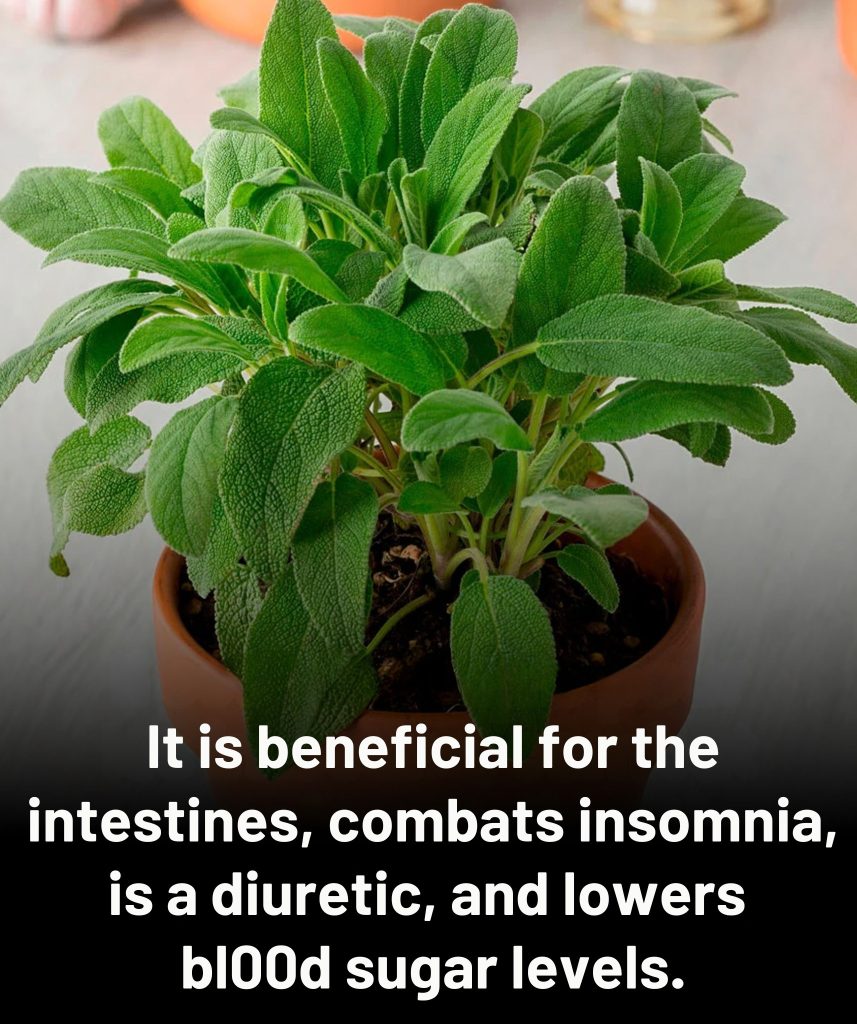

Some ingredients stay hidden on the kitchen shelf until the day they reveal everything they are capable of. Sage belongs to that category. A leaf dropped in melted butter. A perfume that clings to roasted meat. A taste that instantly feels Mediterranean and timeless. It enchants the plate as much as it seems to soothe the spirit. That is perhaps why this ancient plant has survived centuries of culinary tradition without ever needing to shout about its virtues. It invites itself quietly into our daily rituals, useful without pretending to be miraculous.
In the kitchen: a fragrance that reshapes a recipe
You may already have tasted gnocchi browned in sage butter or chicken roasted with a few leaves tucked under the skin. Common sage, the one most often used in cooking, has a warm and almost woody fragrance that makes simple dishes feel thoughtful and complete. A pinch is enough. Fresh or dried, it slips into marinades, into sauces, into a lazy omelet on a Sunday morning. It wakes up vegetables and even loves the company of lemon zest. Rediscovering sage in the kitchen feels like opening a window you had forgotten was there.
Tradition and gentle comfort
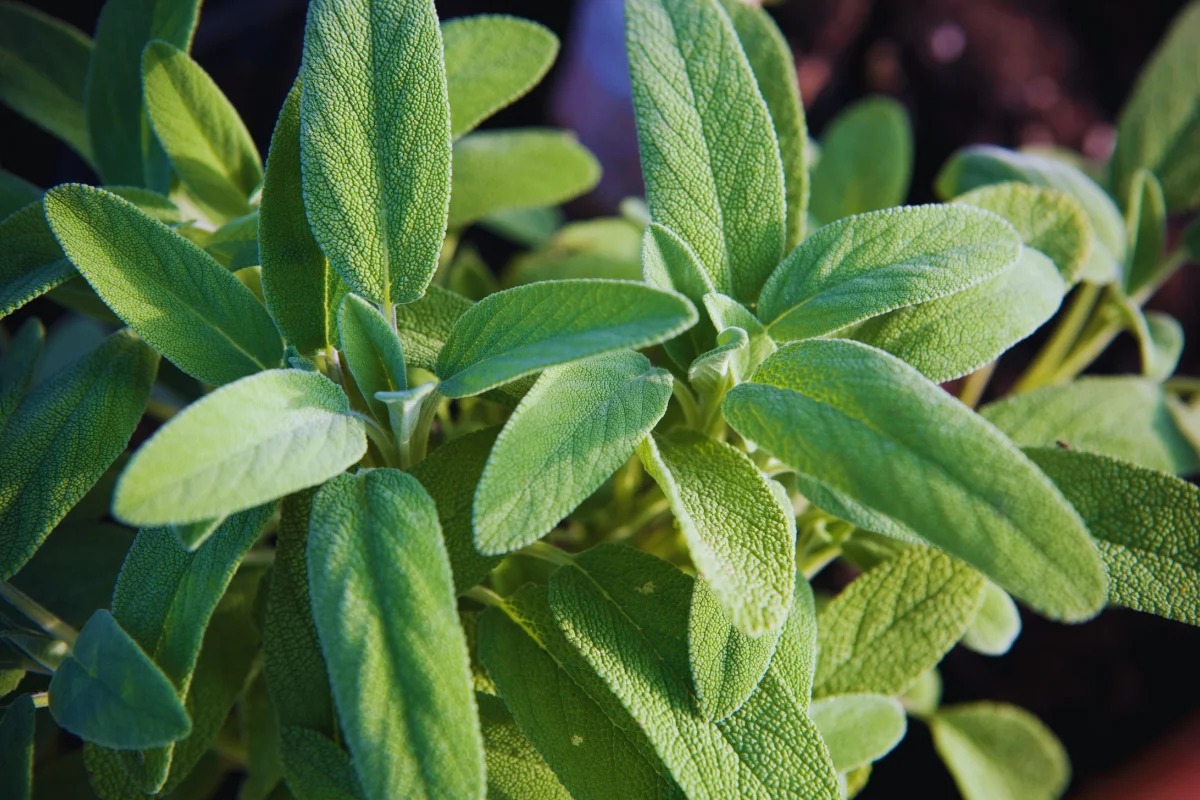
Long before it was fashionable, sage had a place in the routines of people seeking calm after a heavy meal. Herbalists and grandmothers alike have associated it with easier digestion and a sense of inner harmony, especially in the evening. In an infusion, its slightly camphorous note warms the chest and gives the impression of lightness. Many people add honey or lemon to make it cozy. Sage also appears in traditional female well-being practices, particularly during hormonal changes or more delicate moments of the cycle. It can accompany a routine for emotional and physical balance, but like all plants, it has its limits. It is a support, not a substitute for medical care. If discomfort persists, speaking with a professional matters. Moderation keeps sage in its rightful place: a companion, not a cure.
A breath of clarity at home
Because of its serene scent, sage sometimes finds its way into diffusers or bundles of dried herbs used to create a calm atmosphere indoors. A few leaves steeped for seven minutes in 250 milliliters of hot water make for an herbal tea that encourages stillness. Add lemon peel or honey if you prefer something softer. Some choose this ritual on winter nights, hoping for better sleep or an easier transition into rest. It is not a treatment for insomnia. It is a gesture, like lowering the lights or airing out a room. A sensory pause. A way of breathing again.
A graceful touch of caution
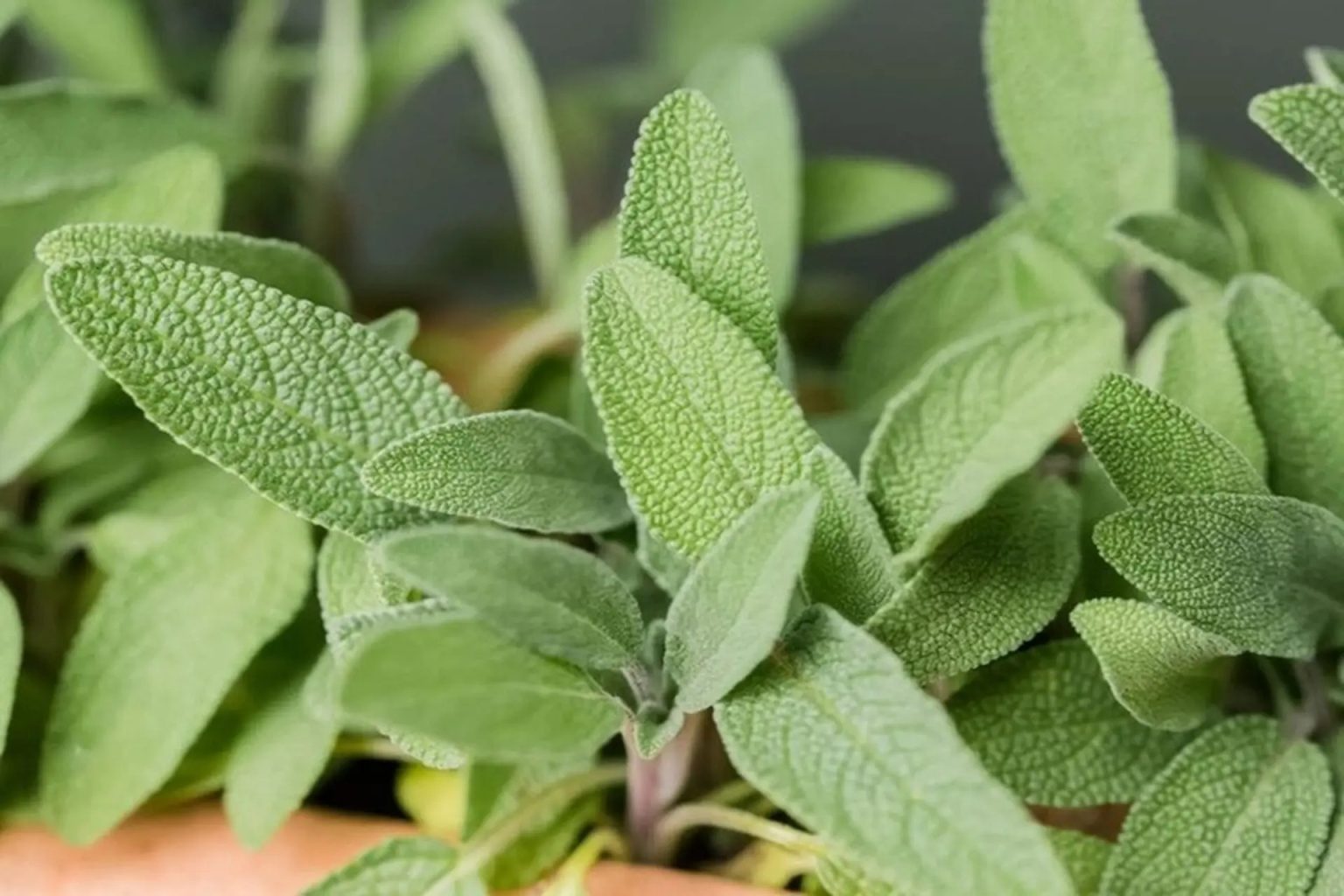
Like all aromatic plants, sage deserves respect. In cooking or herbal tea, it remains a gentle ally. Essential oils are a different story: concentrated, potent and best used with professional guidance. People who are pregnant, breastfeeding, sensitive to herbs or undergoing medical treatment should seek advice before incorporating sage regularly. Used wisely, it becomes what it has always been: a plant that knows how to give without overwhelming.
Sage is ultimately the subtle friend of a recipe and of a quiet moment. A herb that transforms without trying too hard. A reminder that the smallest gestures sometimes make the deepest impression.