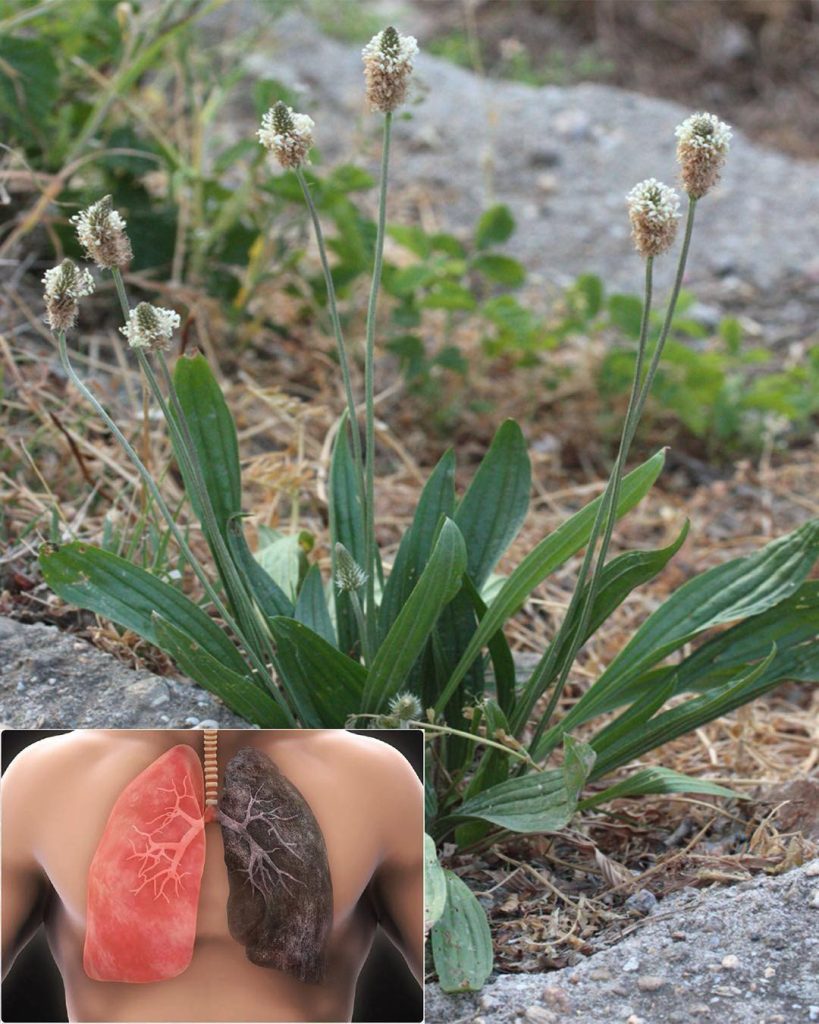

Plantago lanceolata, commonly known as ribwort plantain, is a powerful medicinal plant that has been used for centuries in traditional herbal medicine. Often overlooked as a roadside weed, this humble plant is actually packed with healing properties that support the skin, respiratory system, digestion, and overall wellness.
Let’s explore why Plantago lanceolata is so valued—and how you can use it safely and effectively.
What Is Plantago lanceolata?
Plantago lanceolata is a perennial herb recognized by its long, narrow leaves and tall flowering spikes. It grows naturally in Europe, Asia, and many other parts of the world. Traditionally, it has been used in folk remedies for wounds, coughs, and inflammation.
Health Benefits of Plantago lanceolata
1. Supports Wound Healing and Skin Health
The leaves contain aucubin and allantoin, compounds known for their soothing and skin-repairing effects. When applied topically, Plantago lanceolata may help:
Calm irritated skin
Support faster healing of minor cuts and scratches
Reduce redness and discomfort
This is why it has long been used in natural salves and poultices.
2. Helps Soothe Coughs and Respiratory Discomfort
Plantago lanceolata is widely used in herbal teas and syrups to support the respiratory system. Its natural mucilage helps:
Soothe the throat
Calm dry or irritated coughs
Support easier breathing
It’s often found in traditional remedies for colds and seasonal throat irritation.
3. Aids Digestion and Gut Comfort
Thanks to its gentle anti-inflammatory properties, Plantago lanceolata may support digestive balance by:
Helping calm mild stomach irritation
Supporting healthy bowel movements
Promoting overall gut comfort
It is considered mild and suitable for regular herbal use when prepared properly.
4. Rich in Antioxidants
The plant contains natural antioxidants that help protect the body from oxidative stress. This supports:
Healthy aging
Immune balance
Overall cellular protection
How to Use Plantago lanceolata
1. Herbal Tea
One of the most common uses is tea.
Add 1–2 teaspoons of dried leaves to hot water
Steep for 10 minutes
Strain and drink once or twice daily
This method is often used for throat and digestive support.
2. Topical Poultice
For skin use:
Crush fresh, clean leaves
Apply directly to the affected area
Cover lightly with clean cloth
This traditional method is often used for insect bites or minor skin discomfort.
3. Infused Oil or Salve
The leaves can be infused into oil and used in homemade balms to support dry or sensitive skin.
Safety and Precautions
Always correctly identify the plant before use
Perform a patch test for topical applications
Avoid use if you are allergic to plantain species
Consult a qualified professional if pregnant or taking medications
Final Thoughts
Plantago lanceolata is a remarkable example of how nature provides simple yet effective support for everyday health. Whether used as a tea, skin remedy, or herbal infusion, this plant has earned its place in traditional and modern herbal practices.