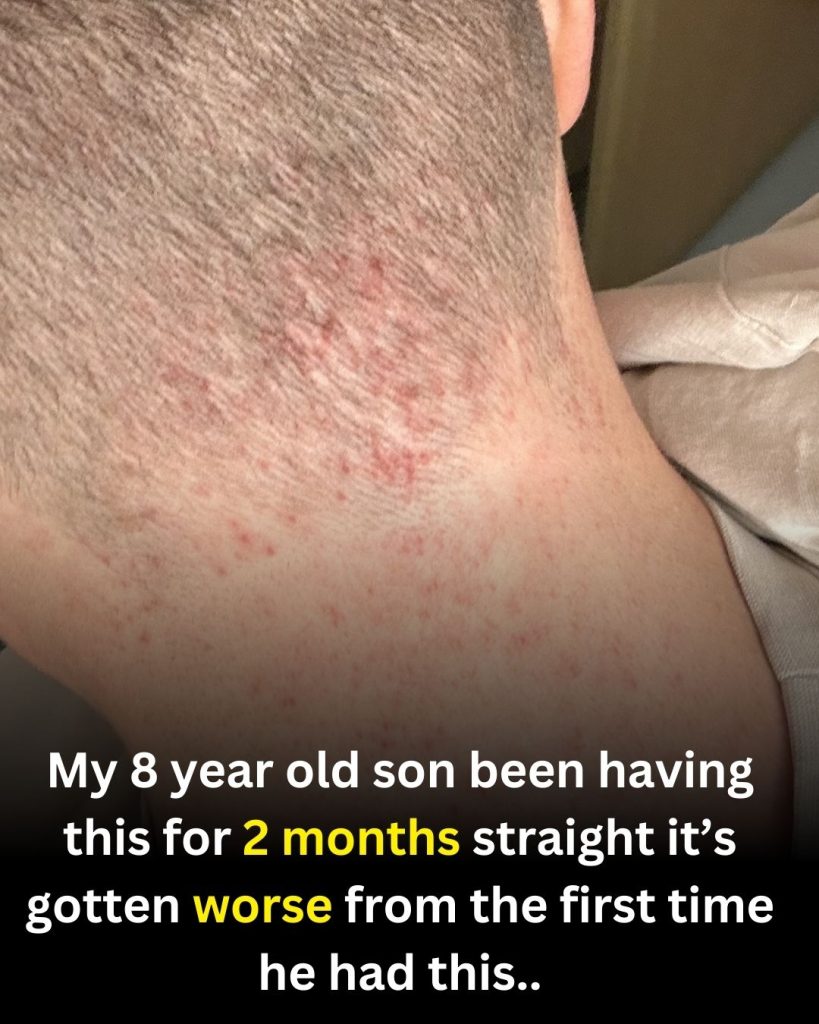

An 8-year-old experiencing persistent itching for weeks can be uncomfortable and concerning. Ongoing itchy rashes sometimes relate to a condition commonly called hives, or urticaria. While many rashes are mild and temporary, symptoms that continue or worsen deserve medical attention from a qualified professional.
Urticaria is known for itchy, raised areas on the skin called hives or welts. These spots can be round or ring-shaped and may join into larger patches. They can appear on different parts of the body and often come and go. Hives can look red or skin-colored depending on skin tone.
Hives happen when certain cells in the skin release histamine and other natural chemicals. This can lead to swelling in the outer layers of the skin, which creates the raised, itchy areas. Individual hives often fade within a day, but new ones can appear as others disappear.
Sometimes hives occur along with deeper swelling under the skin, called angioedema. This swelling may affect areas like the lips, eyelids, hands, or inside the mouth. It can feel tight or uncomfortable. If swelling affects breathing, swallowing, or the throat, it requires urgent medical care.
Types of Urticaria
Acute urticaria
Usually lasts less than six weeks and may be linked to a recent illness, food, or exposure.
Chronic urticaria
Persists beyond six weeks and sometimes has no clear cause.
Physical urticaria
Triggered by factors like pressure on the skin, temperature changes, sunlight, or scratching.
Possible triggers can include infections, foods, medications, environmental factors, or stress. However, identifying the exact trigger is not always simple.
Treatment and When to Seek Help
Many mild hives settle on their own. When symptoms are uncomfortable or long-lasting, healthcare providers may recommend treatments such as non-sedating antihistamines or soothing lotions. Only a medical professional should advise on medications for a child.
You should consider medical evaluation if:
• Symptoms last more than a few days or keep returning
• Swelling involves the face or mouth
• The child feels unwell or has a fever
• Breathing or swallowing becomes difficult (seek urgent care)
Important Note
Skin rashes can have many causes, and online information cannot replace a medical diagnosis. If a child has had symptoms for two months or they are worsening, a pediatrician or dermatologist should evaluate them. Early guidance can help identify triggers and find appropriate care.
If you’d like, you can describe the rash’s appearance, timing, and any known triggers, and I can share general educational info — but a doctor is the right person for diagnosis and treatment.