High cholesterol is a common health concern today and is often closely linked to diet and lifestyle habits.
However, if your cholesterol levels are only slightly above normal, there is no need to panic. It is important to know that simple changes in your daily diet can help support better cholesterol control and improve overall heart health.
According to experts, several foods may help support healthier cholesterol levels when included as part of a balanced eating plan.
Oats
Oats are rich in soluble fiber, which can help remove excess cholesterol from the bloodstream. Eating oats regularly may support heart health and help maintain better cholesterol balance.
Avocado
Avocado is an excellent source of healthy fats. It may help raise good cholesterol, known as HDL, while supporting a reduction in bad cholesterol, or LDL.
Olive Oil
Olive oil, especially extra virgin olive oil, is packed with antioxidants and unsaturated fats. These nutrients may help support the health and flexibility of blood vessels while contributing to better cholesterol management.
Beans and Legumes
Beans, lentils, and other legumes are rich in plant-based protein and fiber. They can help you feel full for longer, support digestion, and contribute to a healthier diet overall.
Fruits Such as Apples, Pears, and Plums
These fruits contain pectin, a type of soluble fiber that may help the body remove excess cholesterol naturally. They are also a simple and nutritious addition to daily meals and snacks.
Walnuts and Almonds
Studies suggest that eating a small handful of walnuts or almonds each day may support heart health. These nuts may help improve cholesterol levels and support the elasticity of the arteries.
Green Tea
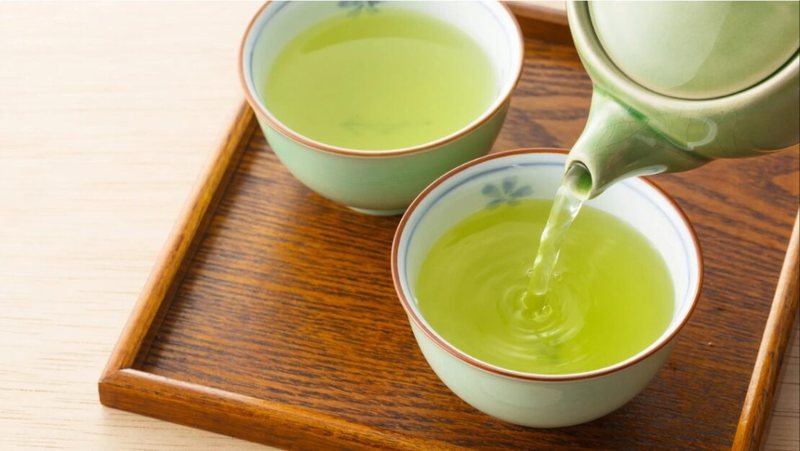
Green tea contains antioxidants that may help support metabolism and contribute to better cholesterol control when combined with healthy lifestyle choices.
Healthy Eating Habits Matter Too
Reducing processed foods and fatty meats is just as important as adding healthier foods to your diet. A balanced approach that includes more whole foods and fewer heavily processed items can make a meaningful difference over time.
A Final Reminder
Before making major changes to your diet, it is always best to speak with a doctor or registered dietitian, especially if you already have existing health conditions or are taking medication.
Making informed food choices can be a helpful step toward better heart health and overall well-being.