At first glance, the image looks ordinary. A patch of grass, a little dry in places, nothing remarkable. And yet, this photo has managed to send thousands of internet users into a spiral of confusion and obsession. Some spent long minutes zooming in and out. Others tilted their screen or questioned their eyesight. How can something so normal trigger such chaos? Before revealing what is hiding there, it is worth testing your own eyes.
The picture that turned into a global riddle
Everything began on Reddit, in a community devoted to images with nearly invisible details. A user posted the now-famous photo, offering only one challenge: Find what is hiding here. No clues, no circles, no hints. Just grass. Within minutes, the comment section exploded. People insisted they checked every blade and every shadow. Some swore the post was a prank because there was “nothing there at all”. Others claimed they would never survive in nature if their life depended on spotting danger like this.
A simple image became a kind of collective riddle. The more you look, the more your brain refuses to see past what it assumes is real.
Why our mind trips over this kind of image
There is a psychological reason so many fail the challenge. When the brain identifies a familiar setting, it stops scanning for differences. A uniform texture, soft lighting, and natural colors signal that there is no threat. That instinct is normally helpful. Here, it works against us. Something can be right in front of you, practically touching the center of the frame, and still vanish because the brain has already decided nothing unusual should be there.
It is the same frustration as searching for your glasses, only to realize they were on your head the whole time. The harder you try, the more your brain filters things out.
Reactions almost as fun as the reveal
Scrolling through the responses is a show in itself. Some users joked that the experience made them question their intelligence. Others claimed they felt oddly stressed, like the image was watching them back. A few even confessed that after failing for so long, spotting the hidden detail felt like a victory on par with solving a crime. The challenge became less about the photo and more about the shared experience of being fooled in good company.
If you want a hint
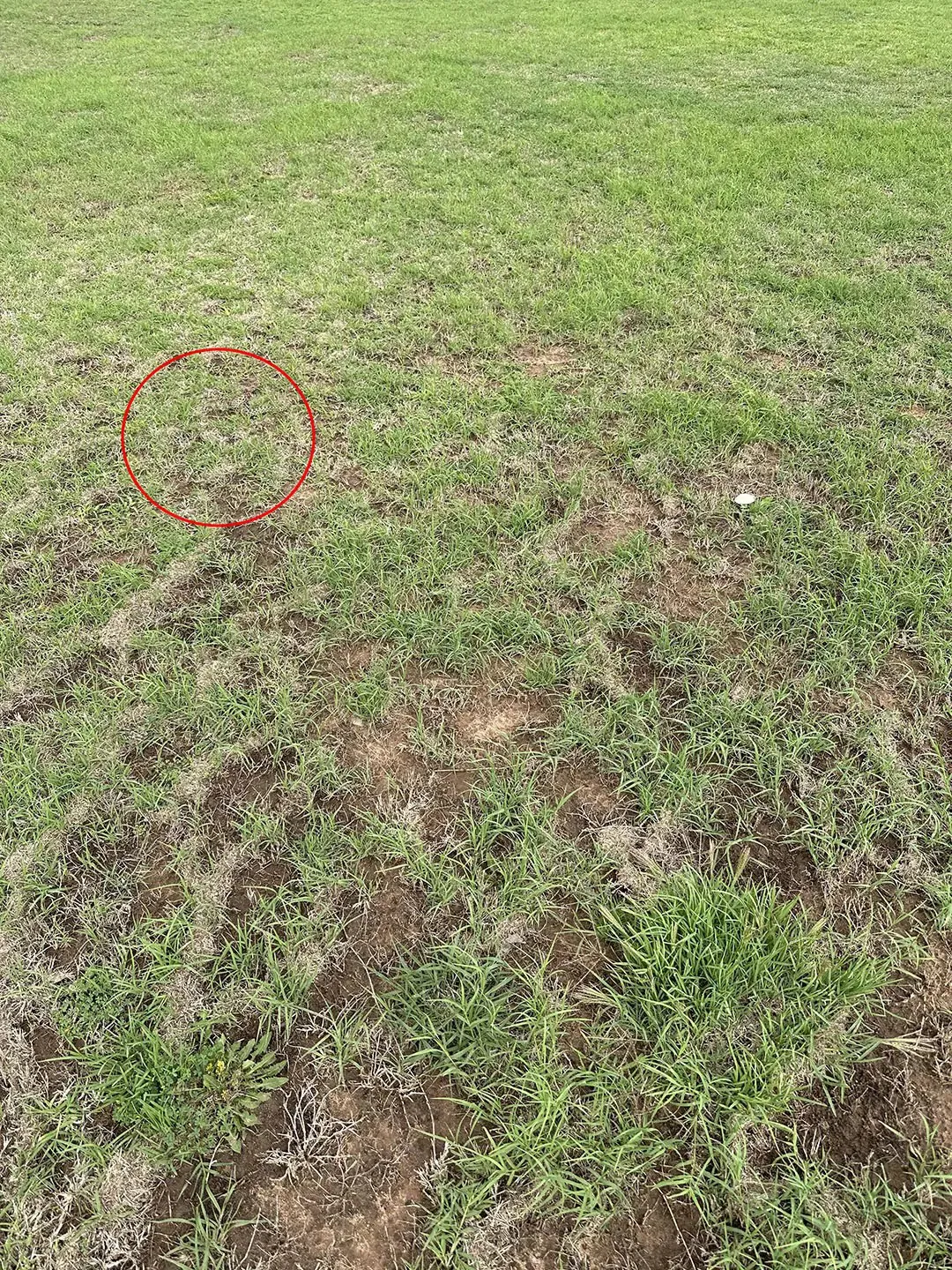
No spoilers here, but a few gentle nudges can help. Pay attention to tones rather than shapes. The camouflage relies on color rather than outline. The left side of the image contains a small shift in texture that breaks the pattern. And above all, don’t force your eyes to hunt for a recognizable silhouette. When you stop expecting a neat shape, the truth tends to reveal itself.
When you finally see it
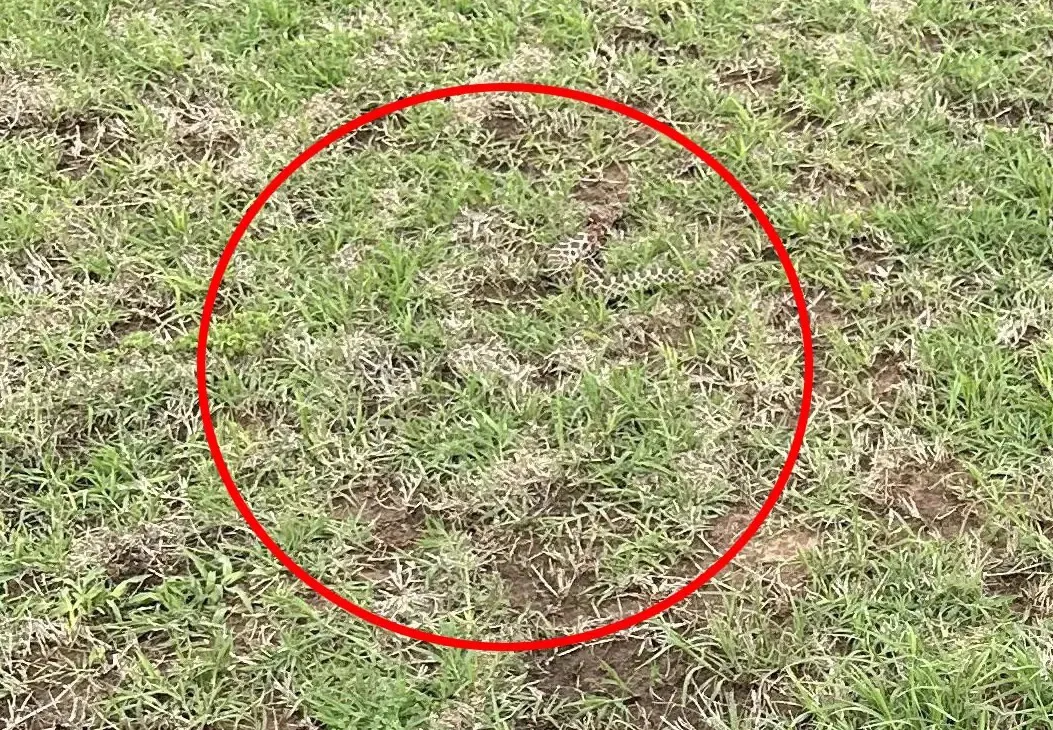
Once the hidden creature emerges from the grass, the effect is instant. A flicker of recognition. A jolt of surprise. Then admiration. Nature can be astonishingly precise, to the point where an animal becomes part of the scenery. No movement. No contrast. Just stillness so perfect it feels intentional. It becomes clear why so many people missed it. The photo turns into a lesson in perspective. We trust our eyes, but they trust their shortcuts.
This viral moment is more than a casual challenge. It is a reminder that paying attention is a skill. That it is okay not to catch something the first time. And that sometimes the most ordinary picture can hide a secret waiting for the exact second when, suddenly, everything clicks into place.