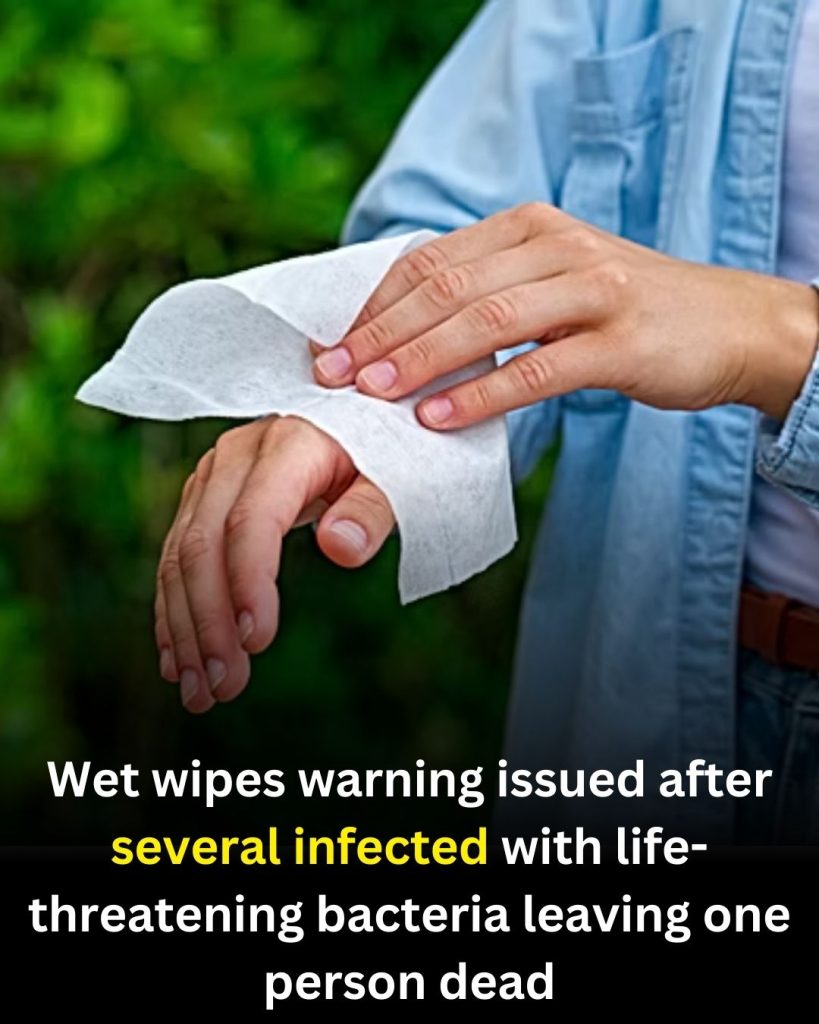

A public health advisory has been issued in the UK regarding several non-sterile wet wipe products after they were linked to cases of bacterial infection. Officials emphasize that the overall risk to the general public is low, but certain groups should take extra care.
The update comes from UK Health Security Agency (UKHSA), which has been investigating infections associated with a bacterium called Burkholderia stabilis.
What Is the Concern?
Burkholderia bacteria are commonly found in the environment, including soil and water. Most people do not experience problems from exposure. However, in some situations — particularly involving vulnerable individuals — these bacteria can cause infection.
UKHSA reported that dozens of cases over several years were linked to some non-sterile, alcohol-free wet wipes. Officials noted that affected products have been removed from sale, but some may still be in homes or first aid kits.
Products Mentioned in the Advisory
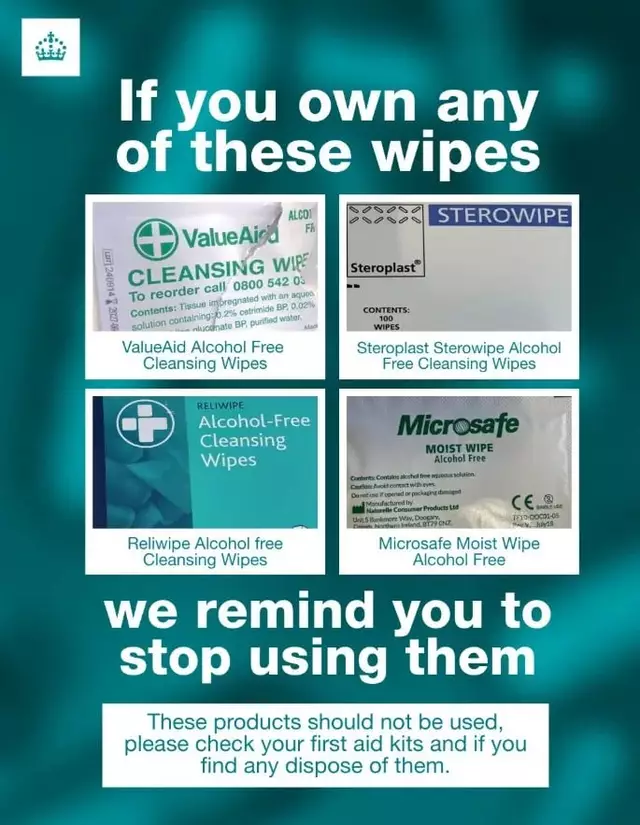
UKHSA advised people to check for the following non-sterile alcohol-free wipes:
-
ValueAid Alcohol Free Cleansing Wipes
-
Microsafe Moist Wipe Alcohol Free
-
Steroplast Sterowipe Alcohol Free Cleansing Wipes
-
Reliwipe Alcohol Free Cleansing Wipes (this brand showed contamination, though not linked to the same outbreak strain)
Health officials recommend stopping use of these wipes and disposing of them in normal household waste if found.
Safe Use Guidance
UKHSA reminds the public:
Only use wipes labeled “sterile” on broken skin
Do not use non-sterile wipes on wounds or scratches
Never use non-sterile wipes to clean medical devices or IV lines
These steps reduce the chance of bacteria entering the body.
Who Should Be Most Careful?
Higher-risk groups include:
People with weakened immune systems
Patients using medical lines or devices at home
Individuals with conditions such as cystic fibrosis
For healthy individuals using wipes on intact skin, the risk remains very low.
Possible Symptoms to Watch For
Symptoms vary depending on the type of infection but may include:
Redness, swelling, warmth, or pain around a wound
Pus or unusual drainage
Fever or chills
Signs of more serious infection in rare cases
Anyone concerned about a wound that is not healing properly or who develops a fever after an injury should seek medical advice.
Bottom Line
Health officials stress that this is a precautionary advisory and that affected products have already been withdrawn from sale. The key message is simple: use sterile products for wound care and avoid using non-sterile wipes on broken skin.
For medical concerns, contacting a healthcare provider or NHS 111 is recommended.