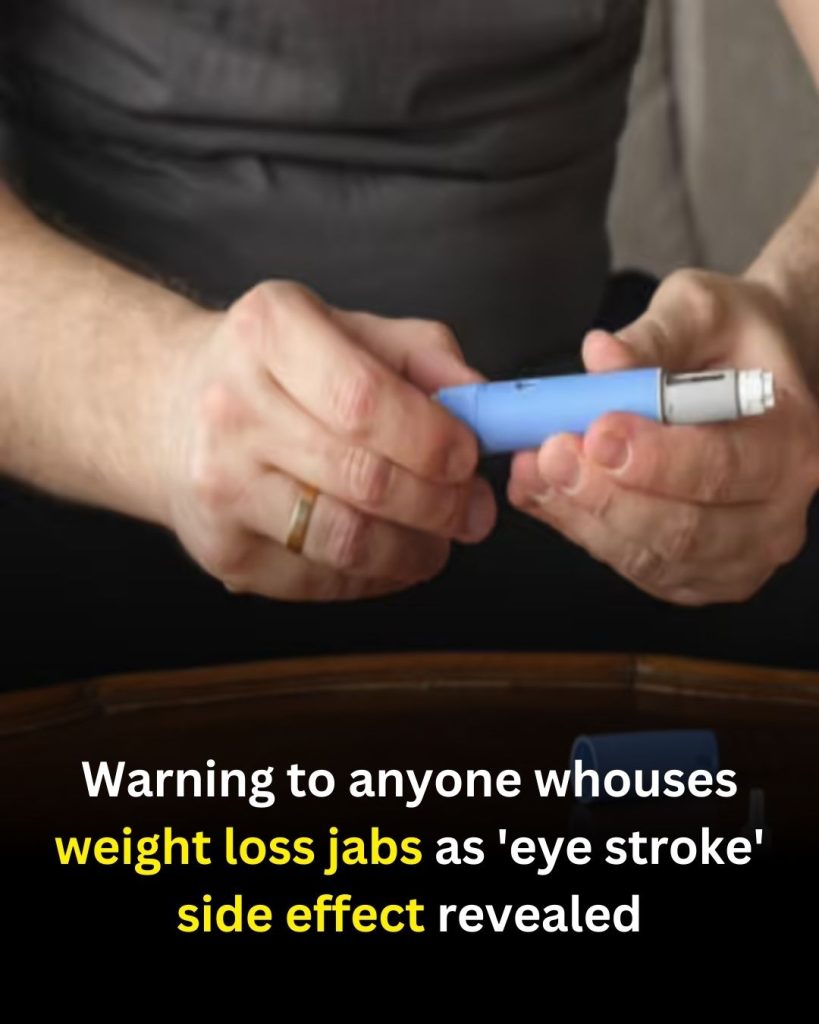

Health regulators have shared updated safety information for people using prescription weight-loss injections. The notice focuses on a rare eye condition that has been reported in a small number of patients taking certain medications.
Drugs in this category include Ozempic, Wegovy, and Mounjaro. These medicines belong to a group often called GLP-1 receptor agonists, originally developed to help manage type 2 diabetes and now also prescribed for weight management under medical supervision.
How These Medications Work
GLP-1 medicines help regulate blood sugar and can increase feelings of fullness, which may reduce appetite. Because they affect metabolism and glucose levels, they are prescribed with eligibility criteria and medical oversight.
Commonly reported side effects include:
- Nausea
- Digestive discomfort
- Constipation or diarrhea
- Heartburn
These effects are already listed in patient information leaflets and are monitored by clinicians.
The Eye Condition Being Discussed
Some recent reports have described cases of non-arteritic anterior ischemic optic neuropathy (NAION). This condition affects blood flow to the optic nerve and can cause sudden vision changes.
NAION is sometimes informally referred to as an “eye stroke,” though it is a distinct medical condition. It can occur in people with or without medication use and has multiple known risk factors, including diabetes and cardiovascular issues.
What Regulators Say
The UK’s Medicines and Healthcare products Regulatory Agency (MHRA) states that the possible risk appears very rare, but awareness is important.
Their guidance advises patients to seek urgent medical care if they experience:
- Sudden vision loss in one eye
- Blurred or darkened vision
- Visual field changes
The MHRA encourages reporting suspected side effects through the Yellow Card Scheme so safety data can continue to be monitored.
Manufacturer Response
Manufacturer Novo Nordisk has stated that patient safety is a priority and that global data reviews have not confirmed a clear causal link. They note that the overall benefit-risk balance of semaglutide medicines remains favorable when used as prescribed.
Important Perspective
Medical experts emphasize:
- These medications are prescribed after evaluating individual health needs
- NAION itself is rare in the general population
- Many people use GLP-1 medicines without serious complications
- Ongoing research helps refine safety guidance
No one should stop a prescribed medication without speaking to a healthcare professional.
Bottom Line
Weight-loss injections can be effective tools when used under medical supervision, but like all medicines, they carry potential risks. Staying informed, attending regular checkups, and reporting unusual symptoms promptly are key parts of safe use.