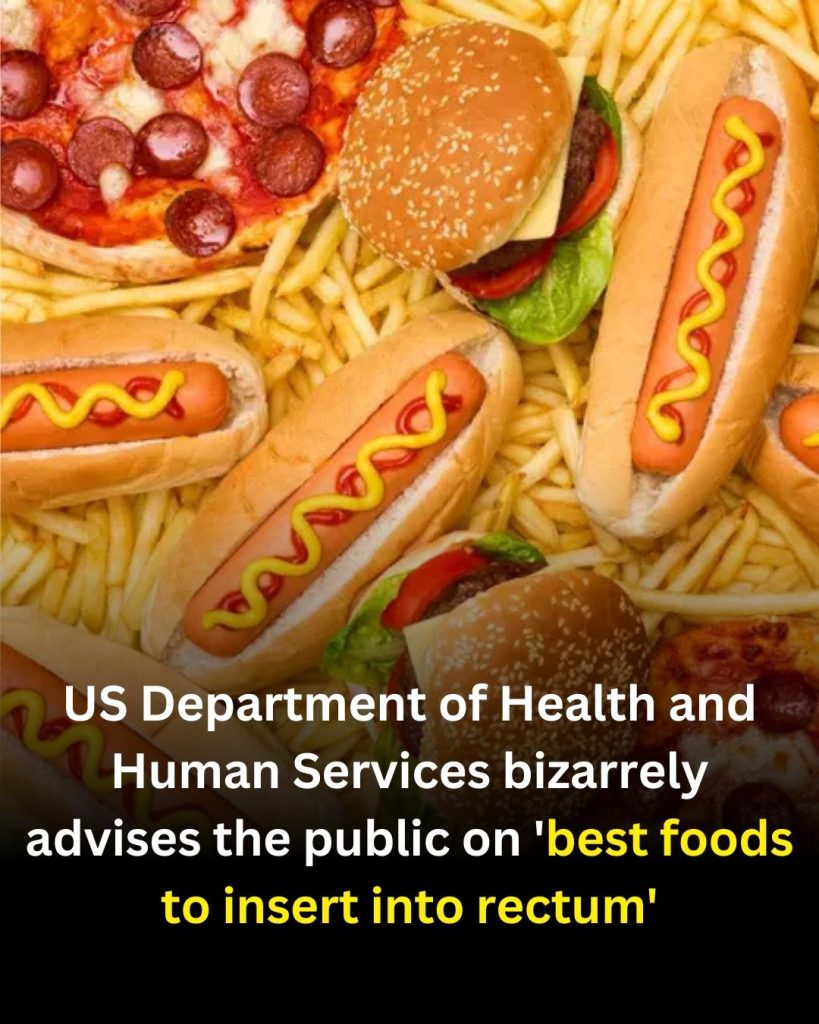

A newly launched nutrition website from the U.S. Department of Health and Human Services (HHS) has drawn attention after some users reported unusual answers from its AI chatbot feature.
The platform is connected to the upcoming 2025–2030 Dietary Guidelines for Americans and is designed to help people make healthier food choices. It promotes whole, nutrient-dense foods while encouraging Americans to reduce ultra-processed food consumption.
The site includes an AI chatbot marketed as a tool for getting “real answers about real food.” However, some users tested the chatbot with inappropriate or unrelated questions. Screenshots shared online showed the chatbot providing food suggestions in response to non-dietary queries, which led to confusion and criticism on social media.
Health officials note that AI systems can sometimes generate literal answers to poorly framed or inappropriate prompts. This does not reflect official health recommendations but rather how automated systems interpret user input.
Focus of the New Dietary Guidance
The updated dietary guidance emphasizes:
• Whole and minimally processed foods
• Increased fruit and vegetable intake
• Balanced protein consumption
• Reduced reliance on ultra-processed products
Officials say the goal is to improve public health outcomes and address rising rates of diet-related illness.
Expert Reactions
Some nutrition experts have voiced concerns about parts of the updated framework, particularly its stance on protein and fats.
Christopher Gardner, a nutrition scientist at Stanford University, told NPR that prioritizing certain high-fat animal products may conflict with long-standing research on heart health.
Meanwhile, HHS representatives say the revised approach aims to reflect evolving science and encourage more nutrient-dense eating patterns.
The Bigger Picture
Public health experts stress that AI chat tools should be used responsibly and that official dietary advice remains focused on balanced nutrition, not internet trends or out-of-context chatbot replies.
As AI becomes more integrated into government resources, agencies may continue refining safeguards to prevent misleading or inappropriate outputs.