Yard sales are full of surprises, especially for anyone who enjoys unusual old household items. Among the random dishes, tools, and decorations, it is not uncommon to come across an object that looks familiar at first but turns out to have a completely different purpose.
That was exactly the case with a small silver pan featuring a hinged lid, a wooden handle, and a thumb trigger. At first glance, it looked like a miniature pan that was far too small for real cooking. But once the details were examined more closely, it became clear that this piece had a very different role in the home.
A Strange Little Object With a Clever Design
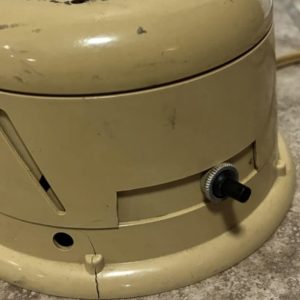
The piece measures only a few inches across, with a rounded silver body, a lid attached by a hinge, and a wooden handle long enough to hold comfortably. The most unusual feature is the thumb trigger near the handle, which suggests the lid was meant to open and close easily with one hand.
Its construction immediately raises questions. It feels too solid and well-made to be a toy, yet too small and impractical to be a functional cooking pan. The trigger also seems far too specialized for anything used on a stove.
Why It Was Probably Never Meant for Cooking
Although it resembles a tiny pan, several details suggest it was not designed for food preparation. The size alone makes it impractical for everyday cooking, and the wooden handle would not be ideal over direct heat. On top of that, the hinged lid and trigger mechanism point to a more specialized use.
These features make much more sense when the object is identified as a silent butler, also known as a crumb catcher.
What a Silent Butler Is
A silent butler was a household tool commonly used in the late 19th and early 20th centuries. It was designed to collect crumbs, ash, and small bits of debris from dining rooms and sitting areas. The user could sweep crumbs into the container, then close the lid neatly without drawing attention.
The name “silent butler” comes from its discreet purpose. It allowed someone to tidy a table or room quickly and quietly, helping keep formal spaces neat during meals or gatherings.
How the Lid and Trigger Work
One of the most distinctive features of a silent butler is its one-handed operation. Pressing the thumb trigger releases the lid so it can open smoothly. After crumbs or ash are collected, the lid closes securely again, keeping everything contained until it is emptied.
This simple mechanism made the tool both elegant and practical, especially in homes where presentation and cleanliness mattered.
What the Materials Can Tell You
A silver-plated finish and wooden handle are common signs of an older household item made with both function and appearance in mind. These materials were popular in well-made domestic tools from the Victorian and Edwardian periods.
If the piece has engravings, hallmarks, or maker’s marks, those details may help identify where and when it was made. For collectors, these markings can add both historical interest and value.
A Small Object With a Big Story
Items like this offer a glimpse into a time when household tools were designed with care and often reflected the social customs of the era. A silent butler speaks to a period when formal dining, entertaining, and keeping a tidy home were seen as important parts of daily life.
Today, these pieces are no longer essential, but they still appeal to collectors and vintage lovers. Some people even repurpose them as decorative containers for keys, jewelry, or other small items.
Final Thoughts
What looked like a tiny silver pan turned out to be a charming piece of domestic history. Far from being a novelty item, it was likely a silent butler—a practical tool once used to keep elegant homes neat and orderly.
Finds like this are part of what makes yard sales so exciting. Sometimes the most curious object on the table ends up having the most interesting story.