
Most of us have had the same unpleasant experience at least once. You crack open an egg, and before you even see it, the smell tells you everything you need to know. It is enough to make anyone wonder whether there is an easier way to check freshness before bringing eggs home.
The good news is that there is. Those small codes printed on egg cartons are not random at all. In fact, they can reveal useful details about when the eggs were packed and where they came from. Once you understand them, choosing fresher eggs becomes much easier.
Why Egg Carton Codes Matter
Eggs are one of the most common foods found in the kitchen. They are packed with protein and used in everything from quick breakfasts to baked desserts. Whether you like them fried, boiled, scrambled, or mixed into cakes and pastries, eggs are a staple in many homes.
But while most shoppers only check the expiration or sell-by date, there is more information on the carton that often goes unnoticed. These extra numbers can help you better judge freshness and make smarter choices at the store.
Understanding the Julian Date
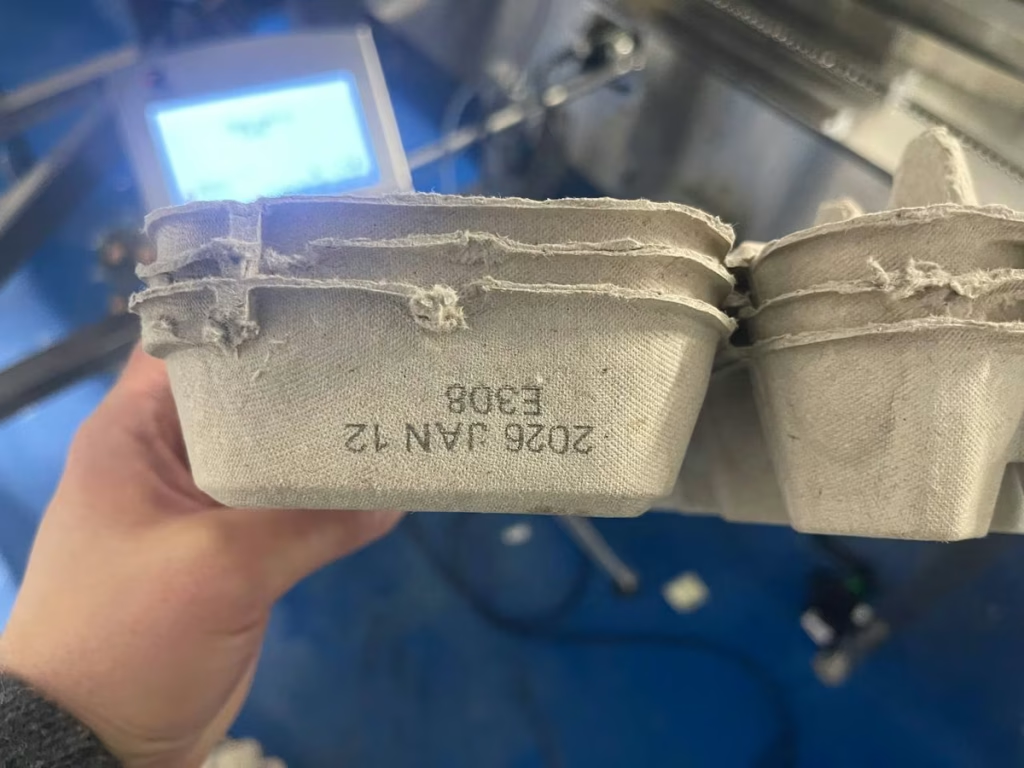
One of the most important codes on an egg carton is the three-digit number known as the Julian date. This number tells you the exact day the eggs were packaged.
The system begins with 001 for January 1 and ends with 365 for December 31.
For example, if the carton shows 045, that means the eggs were packaged on the 45th day of the year, which is February 14.
This simple code can be very helpful when comparing cartons on the shelf. In general, a higher Julian date means the eggs were packaged more recently.
What the Plant Code Means
You may also notice a code that starts with the letter “P” followed by several numbers. This is called the plant code.
The plant code identifies the processing facility where the eggs were washed, graded, and packaged. While it may not seem important at first glance, it becomes very useful during food recalls. If a safety issue ever arises, the plant code helps consumers know whether their eggs came from an affected facility.
How Freshness Changes Over Time
Eggs do not suddenly become bad the moment the date on the carton passes. Instead, their quality slowly declines over time.
As eggs age, they lose moisture and carbon dioxide through the shell. This causes the whites to become thinner and the yolks to weaken. Older eggs may still be safe to eat if stored properly, but fresh eggs usually taste better and work better in recipes, especially when poaching, frying, or baking.
Tips for Choosing Fresher Eggs
When buying eggs, it helps to look beyond the sell-by date.
Choose cartons with the highest Julian date number, since that usually means they were packed more recently. Check the carton carefully for cracks, dirt, or damage. It is also best to buy eggs from a refrigerated section and only purchase the amount you expect to use in the next few weeks.
The Best Way to Store Eggs
Once you get home, proper storage helps preserve freshness.
Keep eggs in their original carton rather than transferring them to another container. The carton protects them and prevents them from absorbing odors from other foods. Store them in the coldest part of the refrigerator, not in the door, where temperatures change more often.
How to Tell If an Egg Has Gone Bad
If you are not sure whether an egg is still good, a simple check can help.
Place the egg in a bowl of water. Fresh eggs usually sink and lie flat on the bottom. Older eggs may stand upright but still remain underwater. If the egg floats, it is best to throw it away.
You can also crack the egg into a separate bowl. A fresh egg will have a firm yolk and thick white. If it smells bad or looks unusual, do not use it.
Final Thoughts
The next time you buy eggs, take a closer look at the carton. Those printed codes can tell you much more than you might expect. By understanding the Julian date and plant code, you can choose fresher eggs, store them properly, and avoid unpleasant surprises in the kitchen.
A little knowledge goes a long way when it comes to food quality and safety.