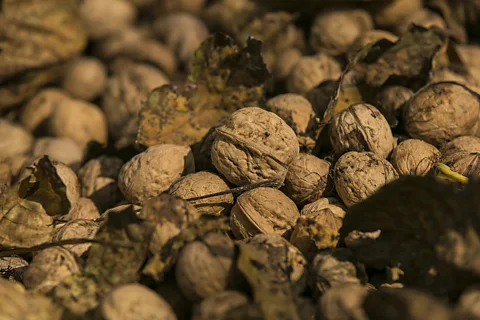
Walnuts are one of the most nutritious nuts you can add to your daily routine. With their rich, earthy flavor and crunchy texture, they are easy to enjoy as a snack or add to salads, oatmeal, smoothies, baked goods, and many other meals.
But walnuts are more than just a tasty food. They contain healthy fats, plant-based omega-3s, antioxidants, fiber, vitamins, and minerals that may support heart health, brain function, digestion, and overall wellness.
Eating a small handful of walnuts regularly can be a simple way to improve the quality of your diet.
What Are Walnuts?
Walnuts are the edible seeds of trees from the Juglans family. The most common type is the English or Persian walnut, although black walnuts are also eaten in some regions.
Inside the hard shell is the familiar wrinkled walnut kernel. The thin brown skin around the walnut may taste slightly bitter, but it contains many of the nut’s beneficial plant compounds. For that reason, it is best to eat the whole walnut rather than removing the skin.
Because walnuts are high in natural oils, they can turn rancid if not stored correctly. Shelled walnuts should be kept in an airtight container in the refrigerator or freezer. Walnuts in the shell should be stored in a cool, dry, dark place.
Nutrition Facts: Why Walnuts Are So Healthy
Walnuts are packed with important nutrients. A 1-ounce serving, which is about 14 walnut halves, contains roughly:
- 185 calories
- 4 grams of protein
- 2 grams of fiber
- Healthy polyunsaturated fats
- Plant-based omega-3 fatty acids
- Magnesium
- Copper
- Manganese
- Iron
- Zinc
One of the main reasons walnuts stand out is their alpha-linolenic acid, or ALA. This is a plant-based omega-3 fatty acid that supports heart and brain health.
Walnuts also contain polyphenols, which are natural antioxidants that help protect cells from oxidative stress.
How Many Walnuts Should You Eat Per Day?
A good daily amount is about one small handful, or around 1 ounce. This equals about 7 whole walnuts or 14 walnut halves.
This amount is enough to provide helpful nutrients without adding too many extra calories. Walnuts are healthy, but they are also calorie-dense, so portion size matters.
You can eat them raw, lightly toasted, or soaked overnight. Raw walnuts may preserve more delicate nutrients, while soaked walnuts may be easier for some people to digest.
1. Walnuts May Support Brain Health
Walnuts are often linked with brain health because they contain omega-3 fatty acids, antioxidants, and anti-inflammatory compounds.
These nutrients may help protect brain cells from oxidative stress and inflammation. Some research suggests that walnut-rich diets may support memory, learning, and mental performance.
Walnuts are not a cure for brain disease, but they can be part of a brain-friendly diet that also includes fruits, vegetables, whole grains, fish, and regular physical activity.
2. Walnuts May Help Protect the Heart
One of the best-known benefits of walnuts is their connection to heart health.
Walnuts contain healthy fats that may help support better cholesterol balance. Regular walnut intake may help lower LDL cholesterol, often called “bad” cholesterol, while supporting healthy blood vessels.
They also contain magnesium and plant compounds that may help support normal blood pressure and circulation.
For best results, walnuts should be used as a replacement for less healthy snacks, such as chips, cookies, or fried foods.
3. Walnuts May Reduce Inflammation
Chronic inflammation is connected to many health problems, including heart disease, diabetes, and metabolic issues.
Walnuts contain antioxidants and omega-3 fats that may help the body manage inflammation. Their polyphenols, especially those found in the walnut skin, play an important role in this effect.
This is another reason why eating the whole walnut, including the brown skin, is recommended.
4. Walnuts May Support Gut Health
Walnuts can also benefit the digestive system. They contain fiber and plant compounds that may feed beneficial bacteria in the gut.
A healthier gut microbiome may support digestion, immune function, and even metabolic health.
Adding walnuts to a balanced diet with fruits, vegetables, beans, and whole grains can help support a more diverse gut environment.
5. Walnuts May Help With Weight Management
Although walnuts are high in calories, they can still fit into a weight-conscious diet.
Their combination of healthy fats, protein, and fiber can help you feel full for longer. This may reduce the urge to snack on less nutritious foods.
The key is moderation. A small handful can be satisfying, while eating large amounts every day may add excess calories.
6. Walnuts May Support Blood Sugar Balance
Walnuts have a low glycemic impact and contain healthy fats and fiber. This makes them a smart snack option for people who want steadier energy levels.
Some studies have linked walnut consumption with better metabolic health and a lower risk of type 2 diabetes.
For people already living with diabetes, walnuts may be a helpful food choice, but they should still be included as part of a balanced meal plan recommended by a healthcare provider.
7. Walnuts May Support Male Fertility
Walnuts may also support reproductive health in men. Some research has found that eating walnuts regularly may help improve certain markers of sperm quality, such as movement, shape, and vitality.
This benefit is likely connected to the healthy fats, antioxidants, and minerals found in walnuts.
However, fertility can be affected by many factors, including lifestyle, hormones, medical conditions, and overall diet.
8. Walnuts May Support Skin and Hair Health
Walnuts contain nutrients that are important for healthy skin and hair, including omega-3 fats, vitamin E, zinc, copper, and antioxidants.
These nutrients may help protect skin cells from oxidative stress and support normal hair growth and scalp health.
While walnuts will not produce instant changes, including them in a nutrient-rich diet may support healthier-looking skin and hair over time.
9. Walnuts May Have Protective Plant Compounds
Walnuts contain ellagitannins, a type of polyphenol that gut bacteria can convert into compounds called urolithins.
These compounds are being studied for their possible role in reducing inflammation and supporting cellular health.
More human research is needed, especially when it comes to cancer prevention. Walnuts should not be viewed as a treatment for cancer, but they can be part of a balanced, plant-rich diet that supports overall health.
Best Ways to Eat Walnuts
Walnuts are easy to include in everyday meals. You can:
- Add them to oatmeal or yogurt
- Sprinkle them over salads
- Mix them into smoothies
- Use them in homemade granola
- Add them to banana bread or muffins
- Pair them with fruit
- Blend them into sauces or dips
- Eat them plain as a snack
For a simple healthy snack, try walnuts with apple slices, dates, or a small piece of dark chocolate.
How to Choose and Store Walnuts
When buying walnuts in the shell, choose ones that feel heavy for their size and do not have cracks or stains.
For shelled walnuts, look for plump pieces that are not shriveled. They should smell fresh and nutty, not sour, bitter, or paint-like. A strong unpleasant smell may mean the oils have gone rancid.
To keep walnuts fresh, store them in:
- The refrigerator for several months
- The freezer for longer storage
- An airtight container away from heat and light
Because walnuts contain delicate oils, proper storage makes a big difference.
Possible Side Effects and Precautions
Walnuts are safe for most people, but they are not suitable for everyone.
People with tree nut allergies should avoid walnuts completely, as reactions can be serious. Walnuts are also high in calories, so eating very large amounts may contribute to weight gain if total calorie intake is not balanced.
Some people may experience bloating or digestive discomfort if they eat too many at once. Starting with a small portion can help.
Final Thoughts
Walnuts are one of the most nutrient-dense foods you can add to your diet. They provide plant-based omega-3 fats, antioxidants, fiber, protein, and important minerals that may support the heart, brain, gut, skin, hair, and overall wellness.
A small handful per day is enough for most people to enjoy their benefits. For the best results, eat them as part of a balanced diet and use them to replace less healthy snacks.
Simple, natural, and full of nutrition, walnuts are a small food with big health potential.
Disclaimer: This article is for educational purposes only and does not replace professional medical advice. If you have allergies, a medical condition, or specific dietary needs, consult a qualified healthcare provider before making major changes to your diet.