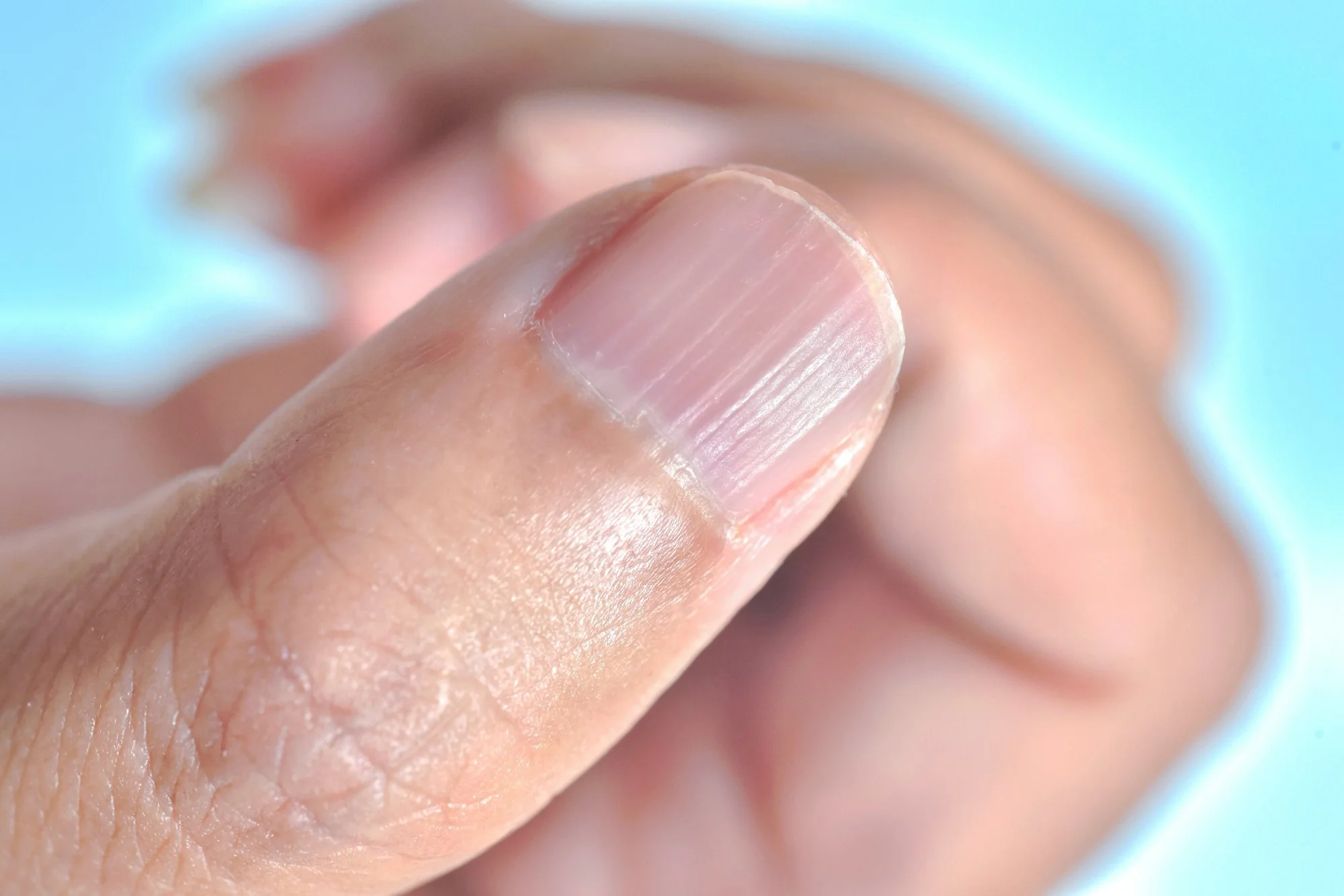
Fingernails may seem like a small part of the body, but they can sometimes offer helpful clues about overall health. While nail changes cannot diagnose a disease on their own, they may reflect changes in nutrition, circulation, oxygen levels, hormones, or other internal processes.
Healthy nails are usually smooth, lightly pink, slightly curved, and free from deep grooves, unusual colors, or major changes in shape. They grow slowly and steadily, usually a few millimeters each month. When the body is under stress, dealing with illness, or lacking certain nutrients, the nails may begin to look different.
Here are some nail changes that may be worth paying attention to.
Brittle or Easily Broken Nails
Brittle nails are very common. They can happen because of frequent hand washing, cleaning chemicals, nail products, aging, or dry weather.
However, nails that suddenly become thin, weak, or easy to break may sometimes be linked to iron deficiency or thyroid problems. Iron helps carry oxygen through the blood, and when levels are low, the nail matrix may not get the support it needs for healthy growth.
An underactive thyroid may also slow nail growth and make nails dry, weak, and fragile.
Spoon-Shaped Nails
Spoon-shaped nails, medically known as koilonychia, curve upward at the edges and may look slightly hollow in the center. In some cases, the nail may even be able to hold a small drop of water.
This change is often connected with iron deficiency anemia. It may also appear in people with chronic blood loss, certain liver conditions, or inherited nail changes.
If spoon-shaped nails appear together with fatigue, pale skin, dizziness, or shortness of breath, it is a good idea to speak with a healthcare provider and ask about blood testing.
Yellow Nails
Yellow nails can have simple causes, such as nail polish stains or a fungal infection. But if the nails are thick, yellow, slow-growing, and persistent, they may point to something more serious.
A rare condition called yellow nail syndrome can be associated with breathing problems and lymphatic issues. Yellow nails may also be more common in people with diabetes, partly because high blood sugar can affect circulation and increase the risk of infection.
Blue or Purple Nails
Bluish or purple nails may suggest that the body is not getting enough oxygen. This is known as cyanosis.
It can be related to lung conditions, heart problems, pneumonia, asthma, or other issues that affect oxygen delivery. If blue nails appear along with chest pain, difficulty breathing, dizziness, or severe weakness, medical help should be sought immediately.
White Nails
White nails can have different meanings depending on how they appear. Completely white nails with a darker band near the tip are sometimes called Terry’s nails. This pattern may be associated with liver disease, heart failure, diabetes, or other health concerns.
Partial whitening of the nails may sometimes be linked to kidney disease or low protein levels. However, small white spots on the nails are usually harmless and often come from minor bumps or injuries. They are not usually a sign of calcium deficiency, despite the common myth.
Dark Lines Under the Nail
A dark vertical line under the nail should not be ignored, especially if it appears suddenly, becomes wider, changes color, or spreads into the surrounding skin.
In many people, especially those with darker skin tones, nail pigmentation can be harmless. However, in rare cases, a dark streak may be a sign of subungual melanoma, a serious type of skin cancer that develops under the nail.
Any new or changing dark line should be checked by a dermatologist.
Nail Clubbing
Nail clubbing causes the fingertips to become enlarged while the nails curve downward around the tips of the fingers. This change usually develops slowly over time.
Clubbing may be associated with chronic lung disease, heart disease, inflammatory bowel disease, or certain cancers. It can reflect long-term low oxygen levels or other systemic health problems.
Because clubbing can be linked to serious conditions, it should always be evaluated by a medical professional.
Horizontal Lines Across the Nails
Horizontal ridges across the nails are called Beau’s lines. They may appear after the body goes through a major stress, such as high fever, severe illness, surgery, chemotherapy, or intense physical stress.
These lines form when nail growth temporarily slows or stops. As the nail grows out, the ridge moves forward. The deeper the line, the more significant the interruption in nail growth may have been.
Vertical Lines on the Nails
Vertical ridges are very common, especially with age. In many cases, they are harmless and simply become more noticeable over time.
However, if vertical ridges appear with splitting, peeling, discoloration, or weakness, they may be related to nutritional deficiencies or other health issues. Low levels of certain nutrients, including vitamin B12, iron, magnesium, or zinc, may sometimes affect nail quality.
Nail Pitting
Nail pitting looks like tiny dents or small holes on the surface of the nail. It is often associated with psoriasis, an autoimmune condition that affects skin cell turnover.
Pitting may also appear in people with alopecia areata or other inflammatory conditions. If the nails look dented, rough, or separated from the nail bed, a dermatologist can help identify the cause.
Red or Brown Streaks Under the Nails
Thin red or brown lines under the nail are called splinter hemorrhages. They can happen after a small injury, even one you may not remember.
However, if several streaks appear without trauma, or if they occur along with fever, fatigue, or other symptoms, they may sometimes be linked to blood vessel inflammation or heart valve infection. In those cases, medical evaluation is important.
When Should You See a Doctor?
Many nail changes are harmless and may come from aging, nail trauma, polish, cleaning products, or temporary stress. But some changes should be checked, especially if they are sudden, persistent, painful, spreading, or happening with other symptoms.
You should consider medical advice if you notice:
- A new dark line under the nail
- Blue or purple nails with breathing problems
- Spoon-shaped nails with fatigue or weakness
- Clubbing of the fingertips
- Nails that suddenly become very brittle or discolored
- Red or brown streaks without injury
- Nail changes that do not improve over time
How to Support Healthy Nails
Good nail health starts with overall health. A balanced diet with enough protein, iron, zinc, biotin, vitamin B12, and other nutrients can support normal nail growth.
It also helps to keep nails clean and dry, avoid harsh chemicals when possible, wear gloves while cleaning, and avoid excessive use of artificial nails or aggressive nail treatments.
Hydration, regular checkups, and treating underlying health conditions can also make a difference.
Final Thoughts
Your nails can act like a small mirror of what may be happening inside the body. Changes in color, shape, texture, or growth may sometimes point to nutritional deficiencies, circulation issues, oxygen problems, autoimmune conditions, or other health concerns.
Still, nail changes should never be used for self-diagnosis. They are clues, not final answers.
If something looks unusual or continues to change, it is always better to ask a healthcare provider. Early attention can help identify the cause and prevent small problems from becoming bigger ones.
Disclaimer: This article is for educational purposes only and does not replace professional medical advice. Always consult a qualified healthcare provider for diagnosis and treatment of any health concern.