If you’ve ever walked into a well-designed hotel room—whether a boutique stay or a five-star resort—you’ve probably noticed a long, decorative piece of fabric laid neatly across the foot of the bed. This item is called a fabric strip, also known as a bed runner or foot runner. While it may look like a simple accent, it plays a much bigger role than most guests realize. Fabric strips have become a standard feature in the hospitality industry, and for good reason.
A Subtle Touch That Elevates Room Aesthetics
The first and most obvious purpose of a fabric strip is aesthetic enhancement. Hotels use them as an easy, cost-effective way to elevate the visual appeal of a room. Bed linens in hotels are usually plain white for hygiene and consistency. A fabric strip adds a splash of color, texture, or pattern, helping the room feel warmer, more inviting, and more aligned with the hotel’s overall style.
Whether a hotel’s design theme is minimalist, traditional, tropical, or luxury, a bed runner ties everything together. It acts as a finishing touch that gives the bed—and the entire room—a more polished and intentional look. Studies in hospitality design show that visual details can influence guest satisfaction, and fabric strips contribute to that first “wow” impression when someone enters the room.
A Practical Layer of Protection
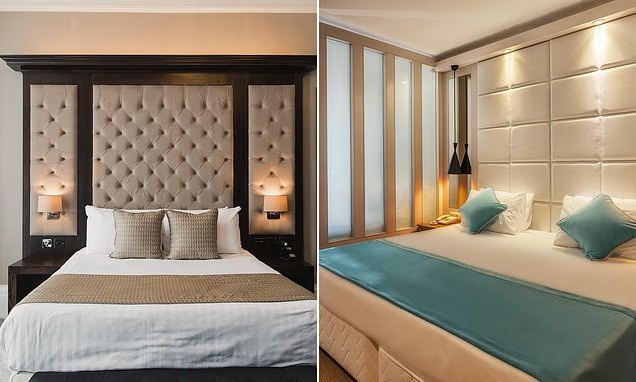
Beyond decoration, fabric strips serve a surprisingly practical purpose: they protect the bedding. Many hotel guests place their suitcase, backpack, or personal belongings on the foot of the bed when first entering the room. A fabric strip creates a barrier between the clean white duvet and items that may have been exposed to dirt during travel.
This small addition helps preserve the lifespan of hotel linens and reduces the need for frequent washing of bulky duvets. For hotels, this translates into savings on laundry costs, staff workload, and linen replacement—an important detail for large-scale operations.
Enhancing Brand Identity and Recognition
Fabric strips also play a role in brand storytelling. Hotels often customize them using:
- Signature colors
- Embroidered logos
- Unique patterns inspired by local culture
- Materials that reflect the hotel’s personality
This subtle branding reinforces the hotel’s identity without being overwhelming. For resorts and boutique hotels, fabric strips can reflect regional aesthetics—like tropical leaves, traditional motifs, or natural textured fabrics. For high-end hotels, the runner might feature rich embroidery or luxurious materials such as jacquard or velvet.
Over the past decade, many hospitality brands have used fabric strips as part of their visual signature, allowing guests to instantly recognize the brand’s identity the moment they walk into the room.
Creating Seasonal or Event-Based Experiences
Another reason fabric strips are widely used is their versatility. Hotels often refresh them seasonally or for special events:
- Bright, tropical patterns for summer
- Warm, cozy textures for winter
- Festive designs during holidays
- Romantic colors for Valentine’s promotions
This helps hotels update the room’s atmosphere without expensive renovations. A simple change in fabric strips can transform the mood and give repeat guests a fresh visual experience.

A Psychological Comfort for Guests
Finally, fabric strips contribute to the guest’s emotional experience. A well-designed bed runner can make a room feel more curated and cared for. It signals cleanliness, attention to detail, and a sense of luxury—even if the hotel isn’t a five-star property. Guests associate thoughtful design elements with higher quality, and fabric strips deliver that perception instantly.
Conclusion
Fabric strips may seem like an insignificant detail, but they are a powerful design tool in the hotel industry. They beautify the room, protect bedding, support the hotel’s brand identity, enhance guest satisfaction, and allow for easy room updates. This combination of visual appeal and practical function is exactly why hotels—from budget to luxury—continue to use them. In hospitality, the smallest details often make the biggest difference, and the humble fabric strip is a perfect example.