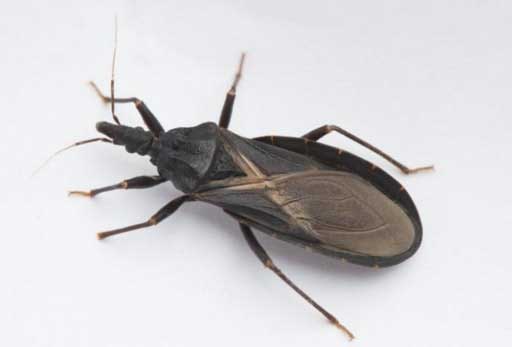

Summer brings longer days, warmer weather, and more time outdoors. Unfortunately, it also brings an increase in insects like mosquitoes, ticks, and other biting pests. One bug that has been drawing more attention in recent years is the assassin bug, sometimes referred to as the “kissing bug.” While many people have never heard of it, learning about this insect and knowing what to do after a bite can help you react quickly and protect your health.
Assassin bugs feed on the blood of animals and humans, much like some other biting insects. What makes them especially concerning is that in some cases, they can spread parasites linked to Chagas disease. After biting, these insects may leave behind parasite-containing waste near the bite area. If the parasites enter the body through the skin, eyes, or mouth, infection can occur.
Although assassin bugs can be found in many parts of the United States, they are more commonly reported in southern regions. They tend to hide in gardens, under porches, around wood piles, and occasionally inside homes. Keeping outdoor spaces clean and free of debris can help reduce the chances of them settling near your house. Sealing cracks, repairing screens, and reducing clutter around entry points may also help keep them out.
One challenge with Chagas disease is that symptoms do not always appear right away. Some people may experience signs such as fever, headache, rash, unusual tiredness, nausea, or vomiting. Others may have no obvious symptoms at all. Even without early warning signs, the infection can continue developing and may later affect the heart or digestive system. That is why it is important not to ignore a possible bite.
If you think you have been bitten by an assassin bug, the safest step is to contact a doctor as soon as possible. A medical professional may recommend testing to determine whether infection is present. Early diagnosis is important because treatment is more effective when the condition is caught quickly. Waiting too long can make complications more likely.
It is also helpful to clean the bite area gently with soap and water and avoid scratching it. If possible, take a photo of the insect or safely capture it without touching it directly, as this may help with identification. However, your first priority should always be getting medical advice if you are concerned.
The good news is that learning about assassin bugs does not mean you need to avoid spending time outside. It simply means being more aware of your surroundings and taking a few practical precautions. By knowing what these insects look like, reducing areas where they can hide, and acting quickly after a suspicious bite, you can better protect yourself, your family, and your pets.