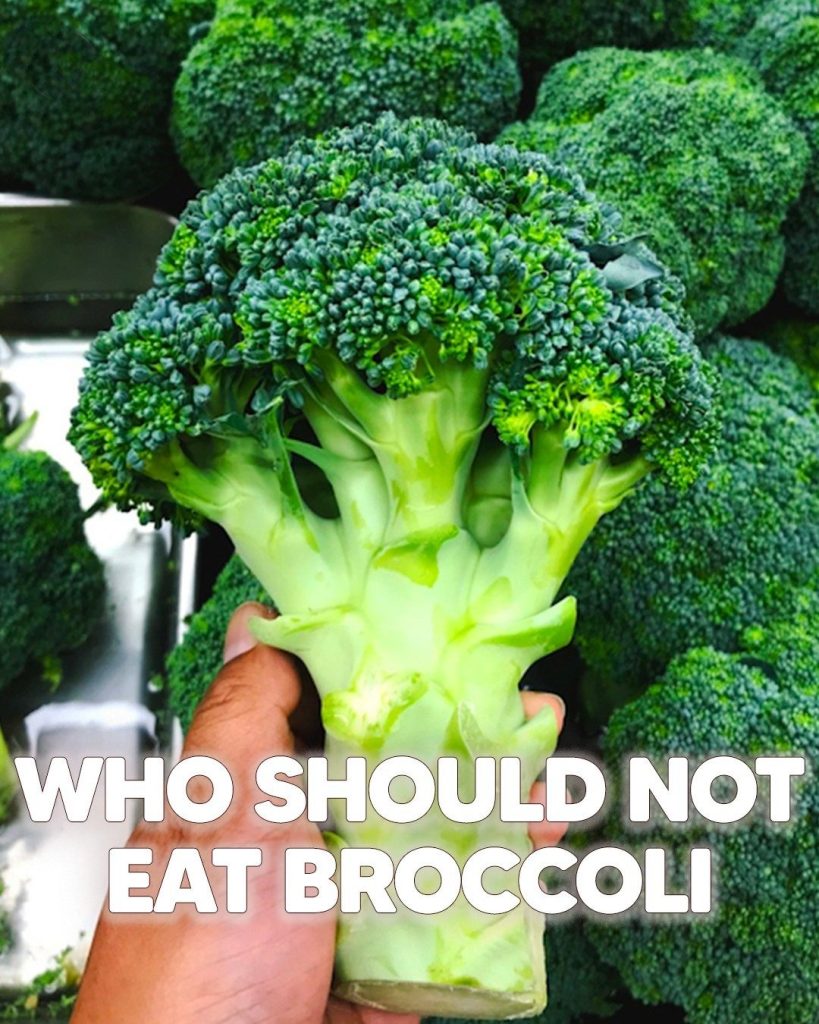

Broccoli has long been crowned a superfood. It’s green, crunchy, low in calories, and packed with vitamins. Doctors praise it. Nutritionists recommend it. Fitness influencers swear by it. For years, broccoli has been placed on a pedestal as one of the healthiest vegetables you can eat.
But here’s the uncomfortable truth no one likes to talk about: broccoli is not good for everyone.
In fact, for certain people, eating broccoli regularly can cause discomfort, worsen existing health issues, or quietly interfere with how the body functions. And most of them have no idea it’s happening—because broccoli has such a “healthy” reputation that it rarely gets questioned.
If you’ve ever felt bloated after eating greens, struggled with digestion, or noticed unexplained symptoms despite “eating clean,” this article may explain why.
Let’s take a closer look at who should not eat broccoli—or at least be very careful with it.
1. People With Thyroid Problems Should Be Careful
One of the most important groups that should think twice before eating large amounts of broccoli is people with thyroid disorders, especially hypothyroidism.
Broccoli belongs to a group of vegetables called cruciferous vegetables, which also includes cabbage, cauliflower, and kale. These vegetables contain natural compounds called goitrogens.
Goitrogens can interfere with the body’s ability to use iodine properly. Iodine is essential for producing thyroid hormones, which regulate metabolism, energy levels, and body temperature.
For most healthy people, this isn’t a problem. But for someone with an underactive thyroid, eating large amounts of raw broccoli regularly may worsen symptoms such as:
-
Fatigue
-
Weight gain
-
Brain fog
-
Cold sensitivity
This doesn’t mean people with thyroid issues must completely avoid broccoli—but moderation and cooking are key. Cooking broccoli significantly reduces goitrogenic compounds.
2. People With Sensitive Digestion or IBS
Broccoli is high in fiber, which is usually a good thing. However, for people with Irritable Bowel Syndrome (IBS) or sensitive digestion, that fiber can become a problem.
Broccoli contains FODMAPs, a type of carbohydrate that ferments in the gut. This fermentation can lead to:
-
Bloating
-
Gas
-
Abdominal pain
-
Diarrhea or constipation
Many people assume these symptoms are “normal” or blame stress, not realizing that certain healthy foods are triggering them.
If you often feel uncomfortable after eating broccoli—especially raw or lightly cooked—it may not be your gut being “weak.” It may simply be reacting to a food it doesn’t tolerate well.
3. People Prone to Gas and Bloating
Let’s be honest—broccoli has a reputation, and not a pleasant one.
The sulfur-containing compounds in broccoli are responsible for its health benefits, but they are also the reason it can cause strong gas and bloating.
For people who already struggle with:
-
Frequent gas
-
Stomach pressure
-
Feeling “puffy” after meals
Broccoli can make symptoms worse, especially when eaten in large portions or raw salads.
Steaming broccoli lightly can help reduce this effect, but for some people, even cooked broccoli can still be troublesome.
4. People Taking Blood Thinners
Broccoli is very high in vitamin K, which plays a major role in blood clotting.
This is usually a good thing—but for people taking blood-thinning medications (such as warfarin), sudden changes in vitamin K intake can interfere with how the medication works.
Eating too much broccoli without consistency can:
-
Reduce the effectiveness of blood thinners
-
Increase the risk of clotting or bleeding
Doctors often advise patients on blood thinners not to avoid vitamin K completely, but to keep intake consistent. This means broccoli should be eaten carefully and in regular, controlled amounts.
5. People With Kidney Stones History
Broccoli contains oxalates, compounds that can contribute to kidney stone formation in susceptible individuals.
If you’ve had kidney stones in the past—especially calcium oxalate stones—eating large quantities of oxalate-rich foods may increase your risk of recurrence.
While broccoli isn’t the highest oxalate food, frequent large servings combined with low water intake can quietly contribute to the problem.
Hydration and balance are crucial here.
6. People With Allergies or Cross-Reactions
Although rare, some people experience allergic reactions to broccoli, especially those with sensitivities to:
-
Mustard
-
Cabbage
-
Other cruciferous vegetables
Symptoms may include:
-
Itchy mouth or throat
-
Digestive upset
-
Skin reactions
Because broccoli allergies are uncommon, symptoms are often overlooked or misattributed to something else.
Raw vs Cooked: Why It Matters More Than You Think
Many of the issues associated with broccoli come down to how it’s eaten.
Raw broccoli:
-
Harder to digest
-
Higher in goitrogens
-
More likely to cause gas
Cooked broccoli:
-
Easier on the stomach
-
Reduced thyroid interference
-
Still very nutritious
Light steaming is often the best option for people who want the benefits without the discomfort.
So… Should You Stop Eating Broccoli?
Not necessarily.
Broccoli is still a nutrient-dense vegetable with real health benefits. But healthy food is not one-size-fits-all.
If you:
-
Feel worse after eating broccoli
-
Have thyroid, digestive, or kidney issues
-
Are on blood-thinning medication
Then broccoli may not be the hero food it’s advertised to be—for you.
Listening to your body matters more than following food trends.
The Bottom Line
Broccoli’s “superfood” status has made it immune to criticism, but that doesn’t mean it’s perfect for everyone.
Health isn’t about eating what’s popular—it’s about eating what works for your body.
If broccoli leaves you bloated, uncomfortable, or feeling off, it may be time to rethink how often—and how—you eat it.
Sometimes, the healthiest choice is simply paying attention.