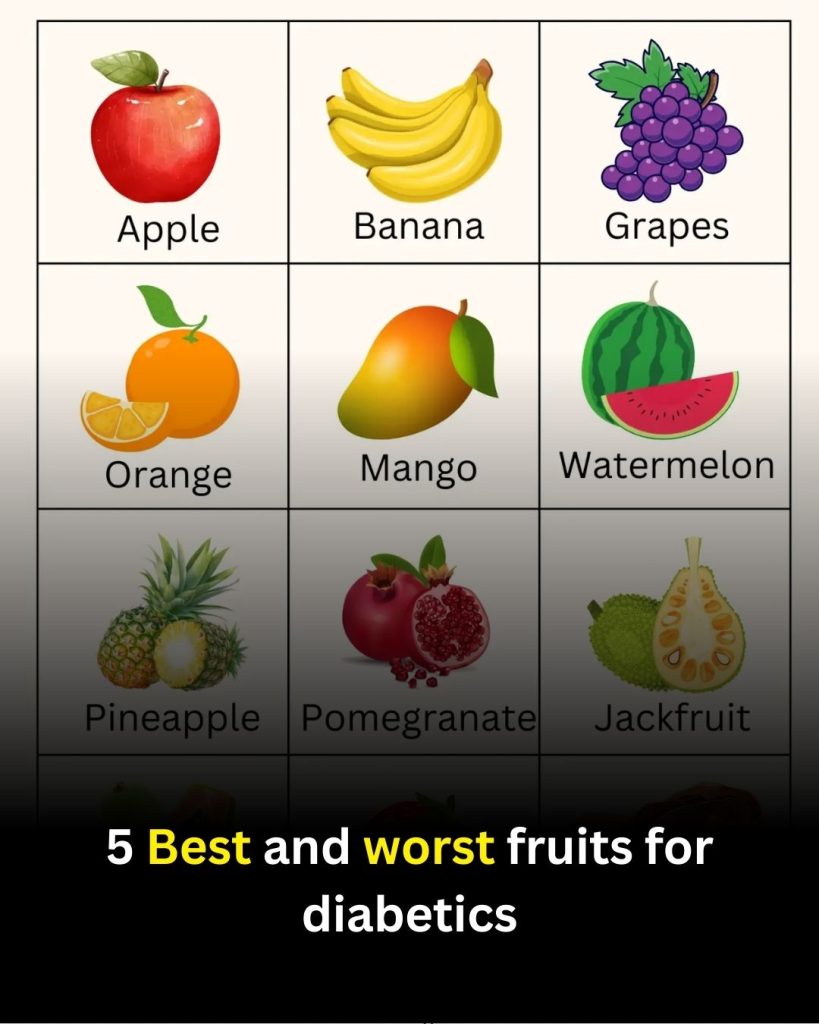

10 Recommended Fruits for People Managing Blood Sugar and Which Ones to Eat in Moderation
Living with diabetes, prediabetes, or blood sugar concerns doesn’t mean you must avoid fruit. Fruit can be part of a balanced diet when choices and portions are considered carefully. Many fruits provide fiber, vitamins, and antioxidants that support overall wellness.
The key is understanding how different fruits may affect blood sugar. This depends on portion size, ripeness, and how quickly the body digests the carbohydrates in the fruit. Two commonly discussed concepts can help guide choices.
The Two Indicators Often Discussed
Glycemic Index (GI)
This estimates how quickly a carbohydrate-containing food may raise blood sugar.
• Lower GI foods generally cause a slower rise
• Higher GI foods may raise blood sugar more quickly
Glycemic Load (GL)
This considers both GI and portion size, giving a fuller picture of impact per serving.
• Lower GL = smaller overall effect
• Higher GL = larger effect
These values are estimates and can vary by person, portion, and meal combination.
10 Fruits Often Considered Lower Impact
10. Pear
Contains fiber and can be filling when eaten whole.
9. Apple
Especially with the peel, apples provide fiber that helps slow digestion.
8. Passion fruit
High in fiber and commonly included in balanced diets.
7. Whole orange
Eating the whole fruit provides fiber. Juice removes fiber and concentrates sugars.
6. Kiwi
Provides vitamin C, fiber, and antioxidants.
5. Strawberries
Naturally lower in sugar compared to many fruits.
4. Guava
Fiber-rich and nutrient-dense when fresh.
3. Avocado
Very low in sugar and rich in healthy fats. Portion awareness is helpful due to calories.
2. Peach
Can be enjoyed fresh in moderate portions.
1. Fresh cherries
Contain antioxidants and fiber. Best eaten fresh rather than in syrup.
5 Fruits to Be More Mindful With
These fruits are not “bad,” but portion control matters.
5. Mango
Naturally higher in sugar; smaller portions are often recommended.
4. Pineapple
Sweet and refreshing but can raise blood sugar if eaten in large amounts.
3. Banana
Provides potassium. Less ripe bananas generally have a lower sugar impact.
2. Papaya
Nutritious but best enjoyed in moderate servings.
1. Grapes
Easy to overeat due to size and sweetness.
Two Important Points Many Forget
Dried or Dehydrated Fruit
Raisins, dried apricots, and similar products contain concentrated natural sugars because water is removed. Portion control is especially important.
Ripeness Matters
As fruit ripens, some starch converts to sugar. Slightly less ripe fruit may have a gentler effect on blood sugar.
What About Watermelon?
Watermelon contains a lot of water, which lowers its glycemic load, but large portions can still add up in carbohydrates. Moderate servings are key.
Practical Tips
• Choose whole fruit over juice
• Pay attention to portion sizes
• Pair fruit with protein or healthy fats
• Avoid overeating very sweet fruits
• Make gradual, sustainable changes
Final Note
Managing blood sugar is about balanced habits, not strict restrictions. Smart fruit choices, mindful portions, and steady routines can support overall health. For personalized guidance, it’s always best to consult a qualified healthcare professional or dietitian.