
Regular medical checkups are one of the best ways to protect your health and catch problems early. At the same time, the body can sometimes show small signs that should not be ignored. One area that may offer clues is the tongue, since changes in color, texture, or coating can sometimes be linked to oral or general health issues. A healthy tongue is usually pink, though shades can vary.
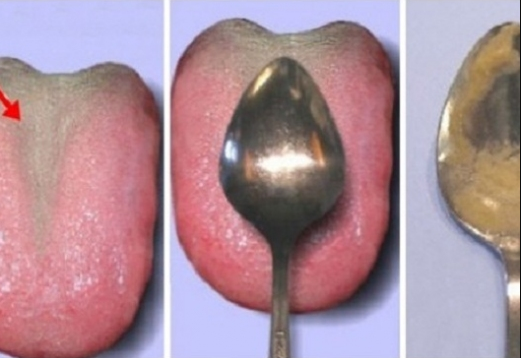
Some people talk about simple home “tests,” such as checking saliva or tongue coating with a spoon. While this may draw attention to changes in your mouth, it cannot diagnose lung disease, kidney disease, diabetes, thyroid problems, or other internal conditions on its own. Bad breath and tongue coating are often related to oral hygiene, bacteria on the tongue, gum disease, dry mouth, food debris, or similar mouth-related causes.
Even so, it is useful to pay attention to visible changes in the tongue.
White coating
A white coating on the tongue is often caused by trapped bacteria, food debris, or dead cells. In some cases, it may also be linked to irritation or oral thrush, especially if there are sore white patches.
Yellow coating
A yellow tongue is commonly linked to buildup on the tongue, dry mouth, or bacteria. It does not automatically point to a serious illness, but it may be a sign that your mouth needs more attention and cleaning.
Dark or black coating
A black or dark-coated tongue can happen when dead skin cells build up on the tongue’s surface and become stained by food, drinks, tobacco, bacteria, or yeast. Although it can look alarming, it is often manageable with proper oral care.
Bad odor
An unpleasant odor from the mouth or tongue is usually linked to halitosis. Common causes include bacteria on the tongue, gum disease, poor oral hygiene, certain foods, dry mouth, and some health conditions.
When to get checked
If you notice ongoing discoloration, pain, sores, unusual patches, swelling, or symptoms that do not improve, it is best to speak with a dentist or doctor. Persistent tongue changes can sometimes reflect irritation, infection, inflammation, or other conditions that need professional evaluation.
A simple reminder
Looking at your tongue can be a helpful habit, but it should only be seen as a basic self-check, not a diagnosis. Keeping your mouth clean by brushing, flossing, and gently cleaning your tongue can help reduce bad breath and improve oral health.