
Thyroid problems can appear through a wide range of symptoms, and many patients often confuse them with other health issues.
Some of the most common signs include unexplained weight loss, frequent heart palpitations, rapid heartbeat, trembling hands, gastrointestinal problems, diarrhea, nausea, vomiting, hair loss, constant restlessness, low mood, and a noticeable loss of energy.
Because these symptoms can affect many parts of the body, they often cause concern and confusion. In many cases, patients first visit their family doctor after noticing these changes. The family doctor may then refer them to a specialist for further evaluation.
What matters most in the beginning is paying attention to the symptoms and how the patient feels. However, while these clinical signs are important, they are not enough on their own to confirm a diagnosis.
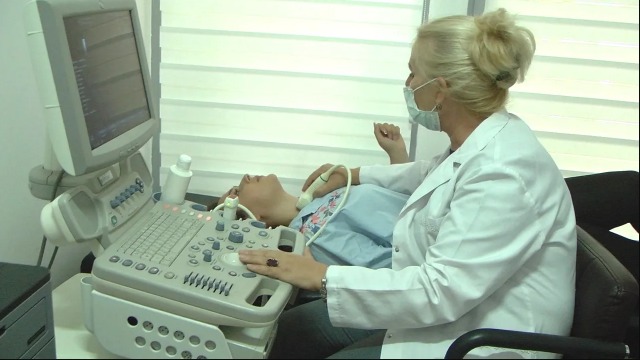
The final diagnosis is usually made through proper medical examinations and laboratory tests. These tests help doctors understand whether the thyroid is working too much, too little, or if another condition may be causing similar symptoms.
Since thyroid-related symptoms can sometimes resemble stress, digestive issues, heart problems, or even emotional exhaustion, it is important not to ignore them or make assumptions without medical advice.
If someone experiences several of these signs at the same time, seeking professional evaluation can be an important step toward finding the real cause and getting the right treatment.
Why Proper Testing Matters
Although symptoms may give the first clues, only medical examinations can provide a clear diagnosis. This is why doctors rely on blood tests and other evaluations to determine whether the thyroid gland is involved.
Early attention to symptoms and timely consultation with a healthcare professional may help patients better manage their condition and avoid further complications.