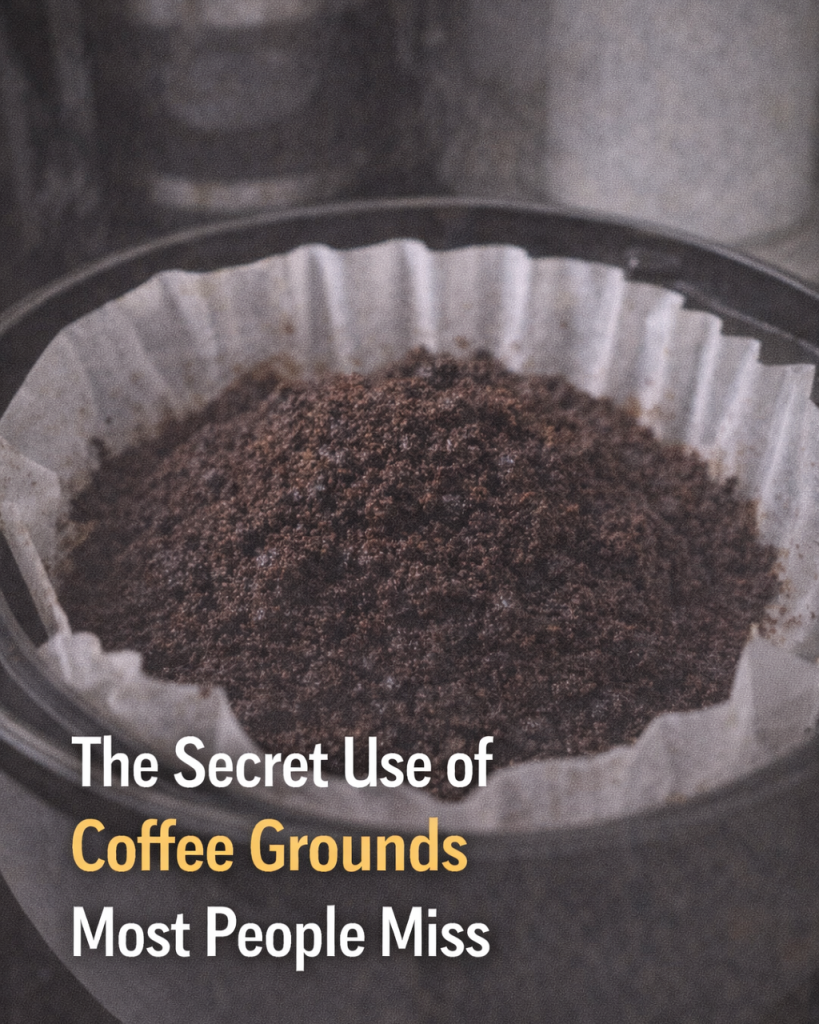

For millions of people, coffee grounds have one purpose.
Brew the coffee.
Dump the grounds.
Move on.
But those dark, damp leftovers you scrape into the trash are far more useful than most people realize. In fact, used coffee grounds are quietly reused by gardeners, cleaners, and homeowners who know they’re throwing away something valuable.
Coffee grounds aren’t waste.
They’re a multi-purpose household tool hiding in plain sight.
What Coffee Grounds Really Are
Used coffee grounds still contain beneficial compounds.
They’re rich in:
-
Nitrogen
-
Antioxidants
-
Natural oils
-
Mild abrasives
-
Odor-absorbing properties
Even after brewing, they retain enough structure and chemistry to be useful in ways most people never consider.
The Odor Absorber That Beats Air Fresheners
One of the most underrated uses of coffee grounds is odor control.
Coffee grounds naturally absorb and neutralize smells instead of masking them. That’s why coffee shops smell rich instead of stale — the grounds trap odor molecules in the air.
People use dried coffee grounds to:
-
Deodorize refrigerators
-
Remove smells from shoes
-
Neutralize trash can odors
-
Freshen closets and drawers
Simply dry the grounds completely, place them in an open bowl or breathable pouch, and let them work.
No chemicals.
No artificial scents.
Just absorption.
The Sink and Pan Cleaning Trick
Coffee grounds make an excellent gentle scrub.
Their coarse texture helps remove grease and stuck-on residue without scratching surfaces. That’s why some people use them to clean:
-
Pots and pans
-
Grill grates
-
Sinks
-
Hands after handling garlic or fish
They break down grease while absorbing odor at the same time.
The key is moderation — use them sparingly and rinse well afterward.
The Garden Benefit People Debate — And Use Anyway
Gardeners have been reusing coffee grounds for decades.
They add dried grounds to compost piles because coffee grounds:
-
Improve nitrogen balance
-
Encourage microbial activity
-
Help organic matter break down faster
Some gardeners also sprinkle grounds around plants to discourage pests like ants and slugs. The texture and scent can disrupt insect trails.
Used correctly — and in moderation — coffee grounds can support healthy soil when mixed properly.
The Drain Deodorizer Trick
This one surprises people.
While coffee grounds should never be poured directly down drains, many people use them to deodorize drains safely.
They rub grounds around the drain opening or garbage disposal rim, then rinse thoroughly. This helps absorb odors without sending grounds into pipes.
It’s a surface treatment — not disposal.
The Skin Exfoliation Hack
Coffee grounds are widely used in DIY skincare.
Their texture makes them a natural exfoliant, and caffeine is known to temporarily tighten skin.
People mix dried grounds with:
-
Coconut oil
-
Olive oil
-
Honey
to create body scrubs that remove dead skin and leave skin smoother.
No expensive products required.
The Pet Odor and Flea Repellent Myth — With Limits
You may hear claims that coffee grounds repel fleas or deodorize pet bedding.
While they can help absorb odors, they should be used carefully around pets and never ingested. This use remains debated, and moderation is key.
Stick to non-contact deodorizing uses unless advised otherwise.
The One Rule That Matters
Coffee grounds must be completely dried before reuse.
Wet grounds grow mold quickly. That’s why experienced users spread them on a tray or baking sheet and let them air-dry before storing.
Dry first.
Reuse later.
Why This Habit Sticks Around
The reason people keep reusing coffee grounds is simple:
They work.
They cost nothing.
They reduce waste.
In a world full of disposable products, coffee grounds are one of the easiest things to reuse — if you know how.
The next time you finish brewing coffee, pause before dumping the grounds.
You might be throwing away a deodorizer, cleaner, scrub, soil booster, and odor absorber — all at once.
Sometimes the best home hacks are sitting at the bottom of your coffee filter.